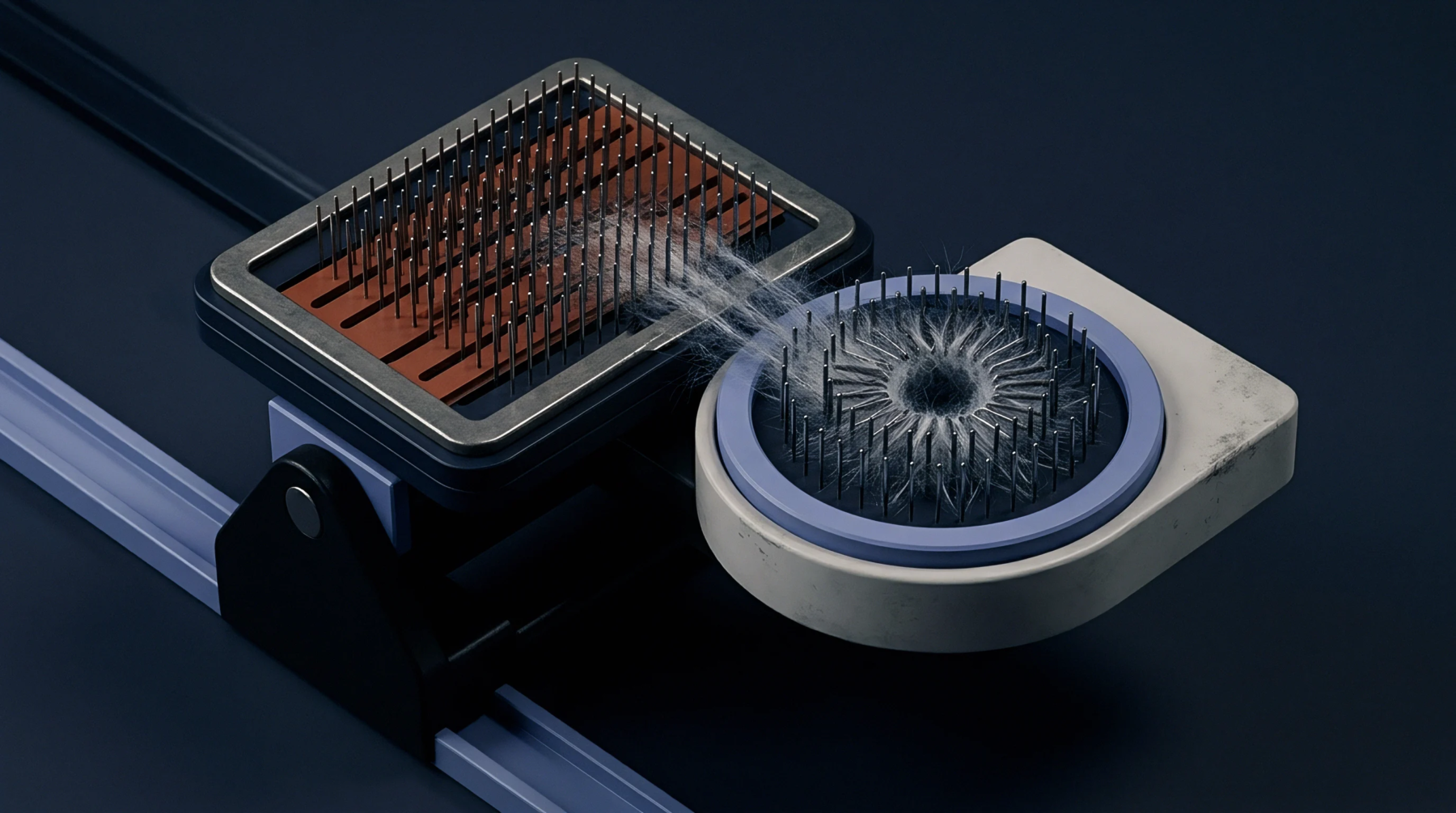
Additive Proportioning
Automated equipment regulates the ratio of colorant concentrate to base polymer resin during the extrusion stage of plastic film or fiber production. Masterbatch dosing ensures consistent pigment distribution throughout the molten stream to maintain uniform optical properties in extruded products. Volumetric or gravimetric feeders release concentrated pellets into the primary material flow at set intervals.
Precise mechanical calibration of these units prevents shade variation or surface defects in finished technical textiles.
Feed Mechanism
Augers or vibrating trays draw pellets from a hopper and discharge them into the throat of the processing machine. Sophisticated controllers link the speed of this feed system to the main screw rotation to maintain a constant percentage of additive under fluctuating production demands. Sudden changes in line output trigger real-time adjustments to ensure the melt remains within defined color specifications.
Weight Control
Gravimetric systems offer higher accuracy than volumetric models by measuring mass instead of bulk volume. Load cells monitor the weight of the supply hopper continuously to detect minute deviations in material density or flow rate. Changes in the bulk density of masterbatch pellets no longer impact the final additive percentage when the system relies on weight feedback.
High precision gravimetric equipment reduces waste by minimizing the overuse of expensive additives.
Production Outcome
Stable concentration levels permit predictable dye uptake and lightfastness in subsequent fabric dyeing or finishing operations. Excess additive creates unnecessary cost and potential brittleness in high speed spinning lines. Insufficient pigment produces streaky or translucent sections that fail quality control inspections for technical requirements.
Consistent mechanical regulation of these inputs determines the final physical performance of the extruded output.