Polymer Cure
Reactive prepolymer chemistry drives the performance of moisture cure polyurethane applied across technical fabric coatings for waterproof outdoor wear. Ambient humidity provides the necessary reactant for crosslinking, initiating a chemical transformation from a liquid dispersion into a durable elastomeric film. Atmospheric water molecules react directly with terminal isocyanate groups within the applied liquid coating.
Urea linkages form during this reaction, building a high molecular weight network that resists moisture penetration from external sources. Coating applicators deploy this compound onto woven nylon substrates inside controlled laminating machinery. Ambient moisture absorption proceeds until all reactive sites are consumed, locking the final polymer matrix into position on the textile surface.
Hydrolytic stability limits degradation during prolonged exposure to heavy rain and industrial laundering cycles. Technical textile engineers formulate these coatings to maintain mechanical flexibility under subzero storage conditions without cracking the protective membrane.
Lamination Viscosity
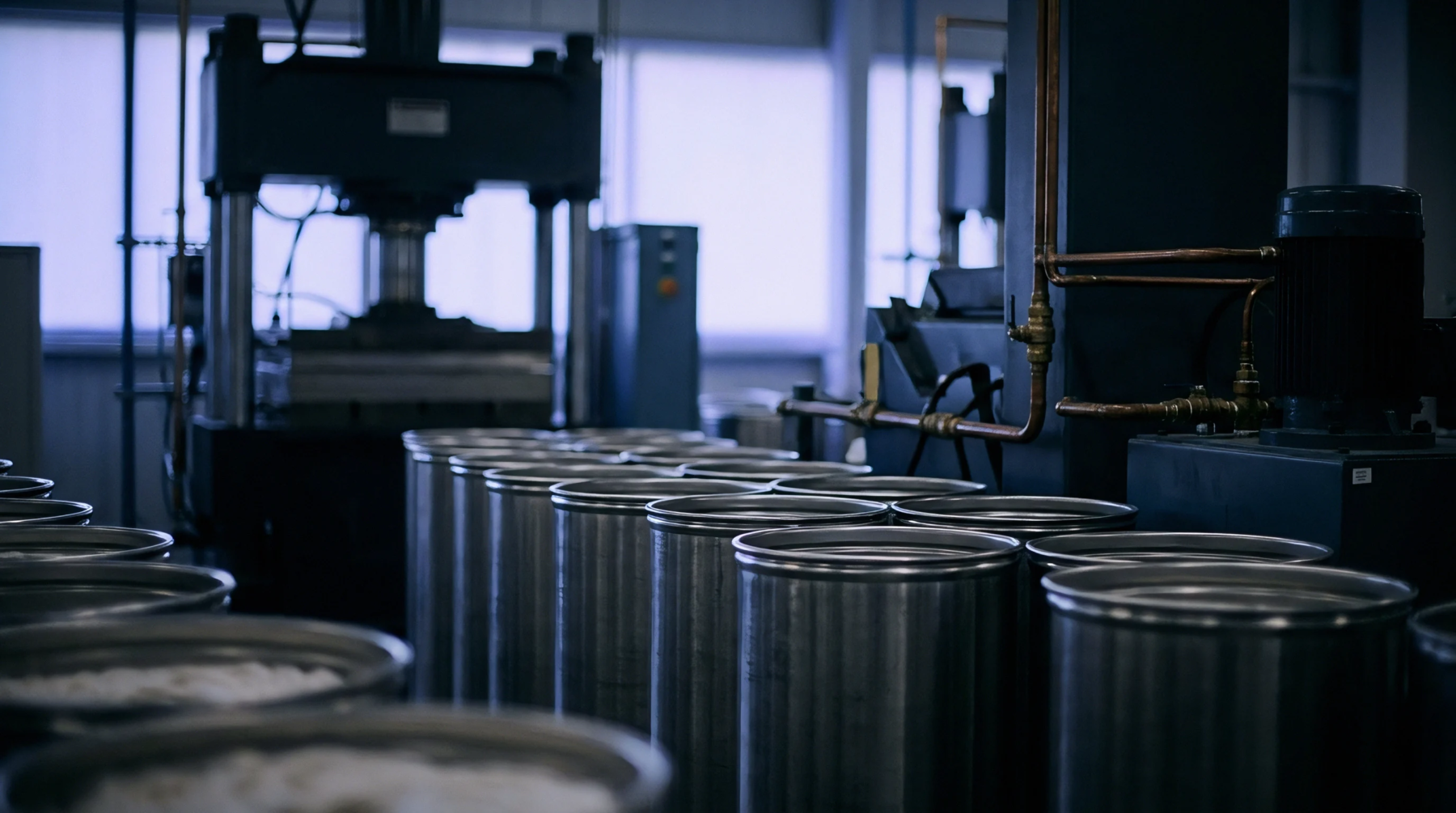
Liquid compound rheology dictates the operational parameters of gravure roller coating systems during continuous textile production runs. Shear thinning behavior allows the liquid prepolymer to level uniformly across dense polyester weaves before chemical crosslinking begins. Operator adjustments compensate for ambient humidity variations inside the coating hall to maintain consistent wet pickup rates across every linear meter of fabric.
Prepolymer viscosity climbs rapidly if atmospheric moisture contaminates the storage drums prior to application on the production line. Inline sensors monitor the thickness of the applied wet layer to prevent pinholes from forming during the subsequent oven drying phase.
Crosslink Density
Network formation determines the final tensile strength and tear resistance of coated technical textiles intended for extreme environments. Polymer chain growth relies entirely on the stoichiometric ratio between hydroxyl groups from ambient water and isocyanate reactants embedded in the coating matrix. Tensile elongation decreases as the spatial density of chemical crosslinks increases within the cured polyurethane structure.
Elastomeric recovery improves significantly when the reaction reaches completion, preventing permanent deformation under repeated mechanical stress. Laboratory technicians measure elongation limits using standardized tensile testing apparatus pulled at constant velocity until the composite fabric ruptures.
Substrate Adhesion
Interfacial bonding strength prevents delamination between the polyurethane membrane and the base textile during high friction garment use. Surface tension modification of synthetic yarns promotes mechanical anchoring before the liquid prepolymer solidifies into a continuous film. Primer applications improve wetting characteristics on dense aromatic polyamide fabrics that otherwise resist chemical bonding.
Peel tests quantify the force required to separate the cured polyurethane layer from the woven substrate under controlled environmental conditions. Bond failure occurs cohesively within the polymer matrix rather than adhesively at the boundary when surface preparation meets established manufacturing parameters. Chemical resistance prevents plasticizers from migrating out of the base yarn and degrading the adhesive interface over time.
Durability standards require the bonded composite to withstand repeated flexing cycles without losing protective barrier integrity. Environmental aging chambers simulate accelerated UV exposure to verify that interfacial bond strength remains stable throughout the commercial lifecycle of the finished garment.