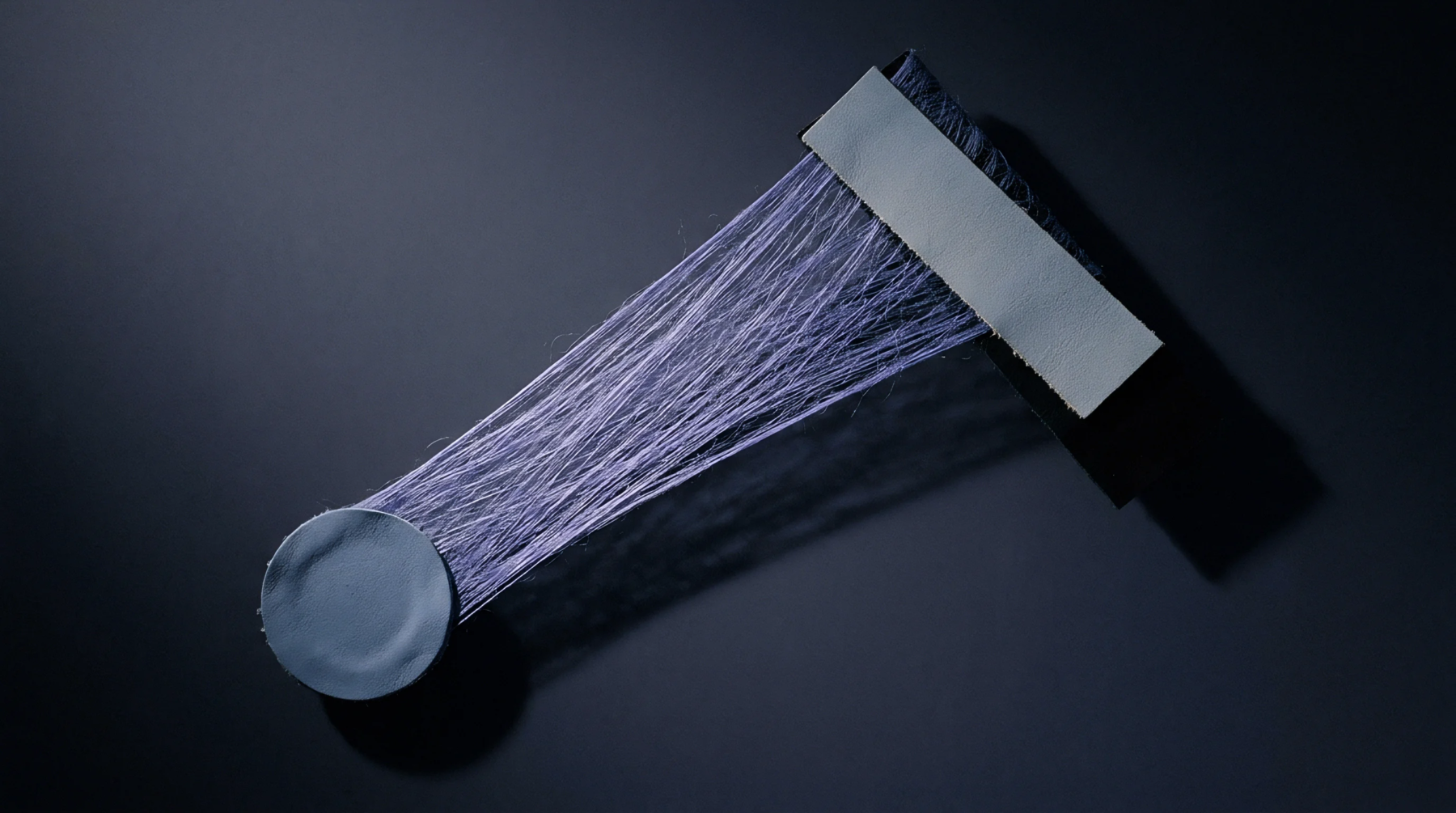
Fibre Weighting
Mathematical verification determines the specific mass contribution of individual components within a textile assembly consisting of disparate chemical or natural materials. This multi fiber blend calculation functions as a primary protocol during the raw material intake phase to confirm that incoming yarns match their technical specifications. Mills perform this analysis by dissolving a specimen in selective solvents until only the base components remain for weighing.
Analysts derive the final percentages by subtracting the mass of the residue from the original total weight of the sample.
Calculation Procedure
Sequential mass reduction represents the standard method for determining component ratios. Technicians weigh the dry sample before applying chemical reagents that target one specific polymer while leaving others intact. Once the targeted fibre disappears, they wash and dry the remaining material to establish a clean secondary weight.
Subtracting this dry mass from the initial weight yields the exact amount of the extracted substance. Calculating these values across an entire batch prevents discrepancies in dyeing or finishing processes where different materials react uniquely to heat and pressure. Precise results rely on the calibration of laboratory scales and the consistent application of solvents to reach a stable state before recording any data.
Commercial Application
Fabricators verify compliance with labelling regulations by mapping the physical composition of a garment against its documented bill of materials. Buyers request these figures to validate performance claims regarding moisture wicking, thermal retention or stretch recovery properties associated with specific chemical signatures. Significant deviations between the expected proportions and the results of this quantification process indicate an inconsistency in the spinning stage or a substitution of raw components.
Each verification cycle documents the delta between the theoretical blend and the actual physical weight of the finished product.
Boundary Conditions
Standards govern the limits of these procedures regarding fibre degradation and chemical sensitivity. Some high performance synthetics or elastomeric additions complicate the dissolution process by resisting conventional reagents. Lab technicians must identify the limitations of the specific solvent before proceeding to avoid incomplete extraction of the target material.
The integrity of the result rests entirely on the accuracy of the baseline mass and the total removal of the selected solute. A verified mass balance provides the only definitive evidence of true fibre distribution in modern textile production.