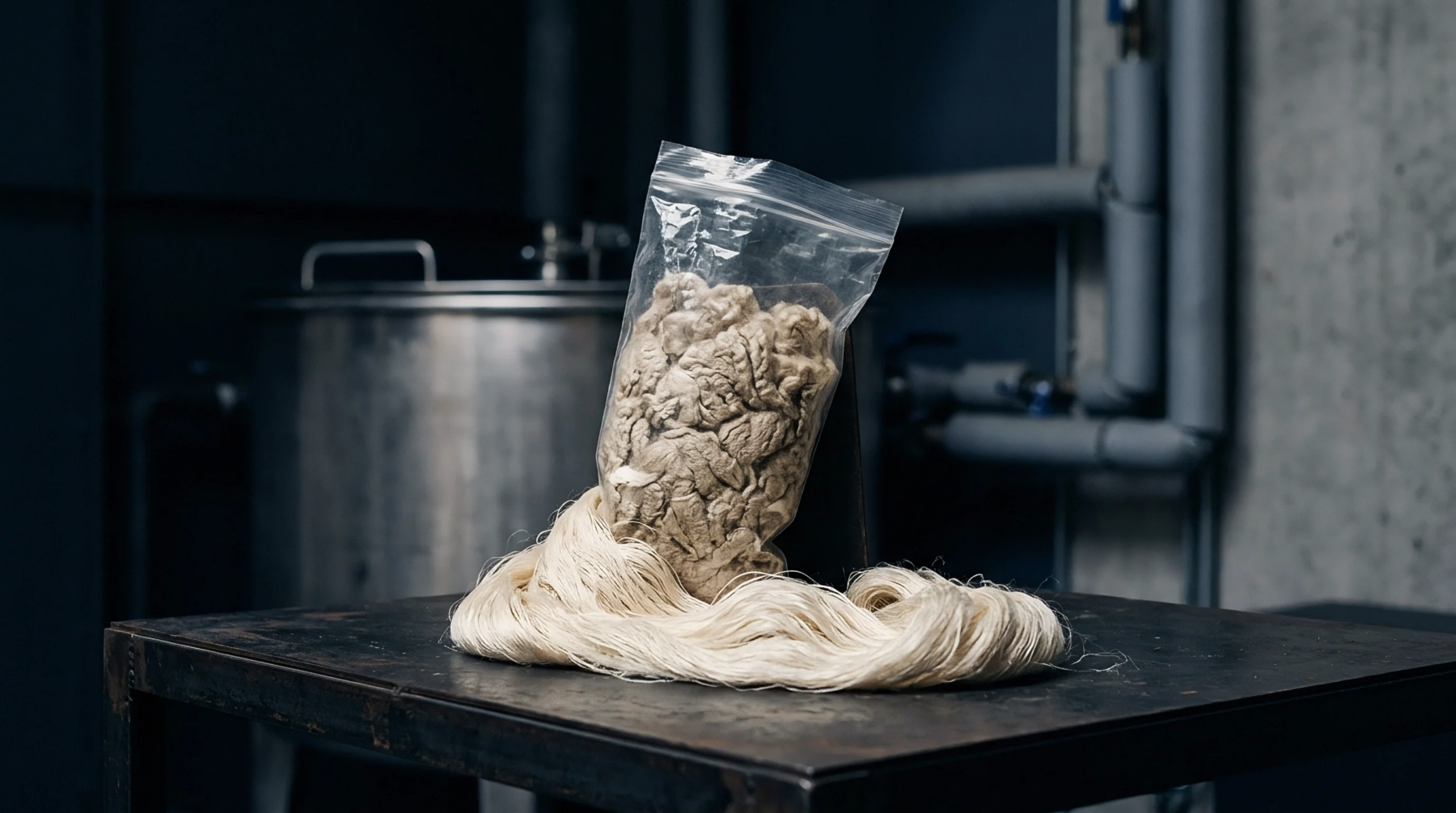
Determining Commercial Mass from Oven Dry Fibre Weights
Commercial mass equals oven-dry mass multiplied by standard regain allowances, establishing an immutable billable weight independent of transit moisture shifts.
Quantitative analysis of the cargo load minus packaging material provides the legal payload value required for customs clearance and trade settlement in raw cotton procurement. Net weight calculation relies upon the subtraction of the gross mass detected at the scale from the known tare weight of containers, pallets, and protective wrapping. Raw cotton shipments originating from international gins undergo this verification at the port of discharge to prevent overpayment for non-fibre components.
Moisture content levels introduce variance because humidity levels alter the weight of natural cellulosic fibres during transit across climatic zones. Commercial contracts fix the baseline moisture regain percentage to ensure parity between the shipping point and the final mill destination. Accurate figures protect the buyer from paying for cardboard, steel banding, or excess water trapped within the cotton bale.
Weighing operations record the total mass of the shipping unit at the arrival gate before any processing occurs. Staff subtract the documented weight of the pallet and the protective bale packaging from the gross figure to isolate the fibre load. Electronic load cells perform these measurements with high sensitivity to detect variations in bale density or packing consistency.
Constant weight checks detect anomalies where excessive debris or moisture absorption inflates the total mass during sea transit. Automated systems log these findings into the inventory database to adjust the purchase price according to the validated fibre quantity. Field technicians inspect the packaging materials to confirm the weight of the tare matches the pre-established standards for the specific gin site.
Any discrepancy triggers a manual audit of the shipping manifest to resolve the weight gap before the warehouse accepts the delivery.
Quality assurance protocols dictate that the laboratory assessment of sample moisture must influence the final invoice value. Mill personnel take core samples from the incoming bale to calculate the actual regain percentage against the contractual limits. Lab technicians dry the fibre under controlled heat to determine the oven-dry mass which serves as the anchor for the net weight calculation.
This result shows the absolute fibre quantity free from environmental influence. If the laboratory finding deviates from the invoice moisture content, the accountant applies a pro-rata adjustment to the total weight recorded at the scale. This correction ensures the transaction reflects the true yield of usable cotton fibre.
Disagreements arise when the test method differs between the supplier and the buyer regarding sampling location or drying duration. Standardization of the test procedure minimizes the risk of price disputes.
Finalizing the invoice requires a reconciliation between the bill of lading and the actual delivered fibre mass. Commercial documents state the expected weight based on the packing list provided at the gin. Deviations between these records trigger a payment adjustment clause within the supply contract.
Financial records reflect the weight difference to maintain tax compliance and correct inventory valuation. This adjustment process remains central to maintaining trust between global textile mills and agricultural exporters. The calculation process serves as the primary barrier against losses from excess packaging or shipping damage.
Commercial mass equals oven-dry mass multiplied by standard regain allowances, establishing an immutable billable weight independent of transit moisture shifts.
Expertise is a utility, not a secret. sentiention™ publishes its working knowledge as open reference: intelligence layer covering the materials it sources, the markets it enters, and the reference that serves both.