Material Discrimination
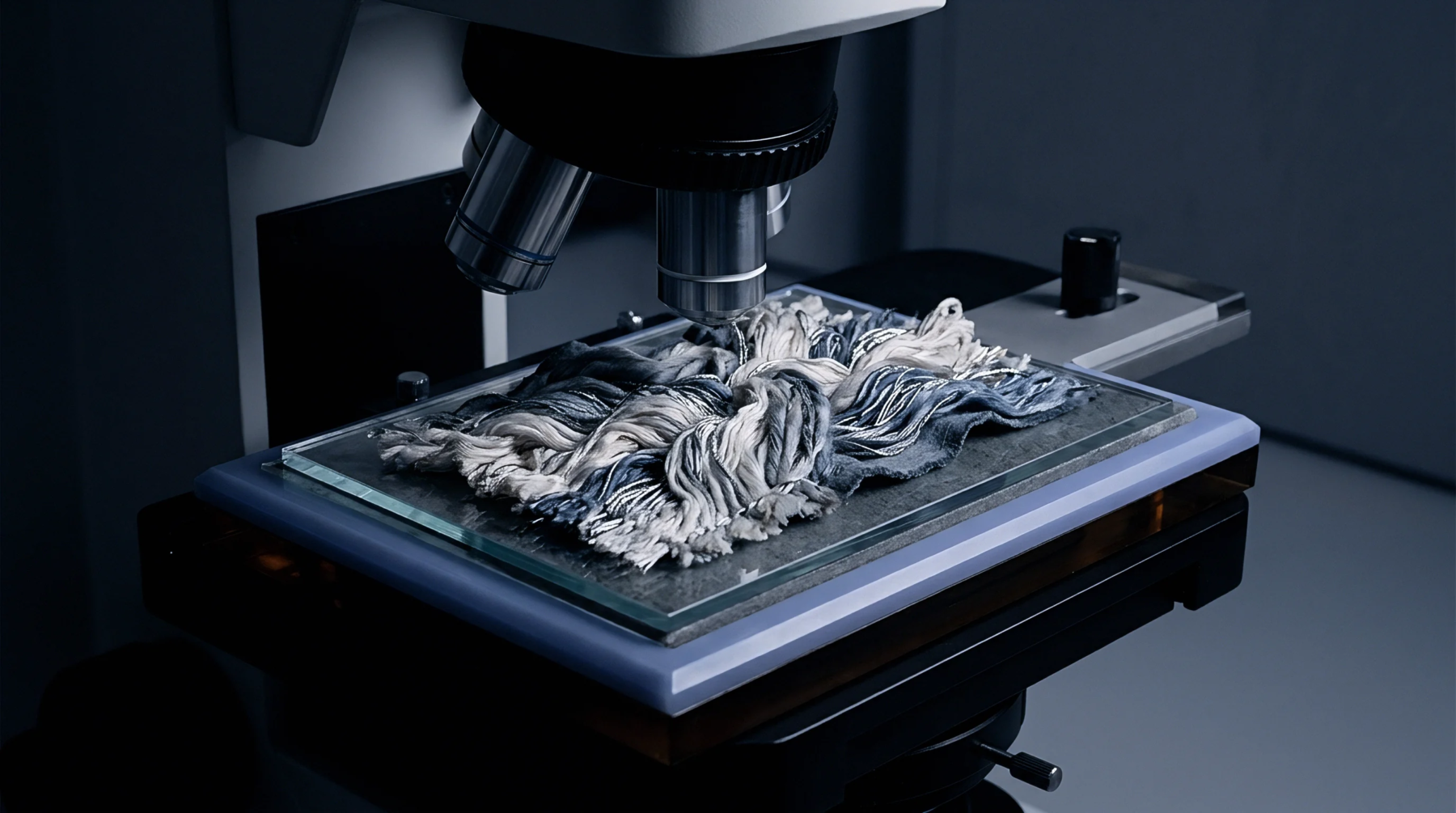
Spectroscopic phenomena involve the reduction in strength of near-infrared light as it reflects off various materials in a fiber stream. Sensors use nir backscatter attenuation to differentiate between organic cotton and synthetic polymers that look identical to the naked eye. Each material absorbs and scatters specific wavelengths of light.
Optical Identification
Polypropylene and polyethylene exhibit distinct absorption peaks in the near-infrared range. By measuring the nir backscatter attenuation, the optical system detects the presence of clear or white plastic film hidden among white cotton fibers. The difference in the returned signal strength triggers the ejection mechanism within milliseconds.
Surface Analysis
Dense materials reflect light differently than loose, airy fibers. Increased nir backscatter attenuation typically indicates a solid object that blocks the penetration of the light beam. This measurement works regardless of the color of the material, making it effective for detecting transparent contaminants that would pass through standard visible-light cameras.
Environmental Factor
Moisture content in the fiber affects the accuracy of the reading because water has its own absorption bands. To maintain reliable nir backscatter attenuation data, the system must compensate for the ambient humidity and the moisture regain of the raw material. Consistent environmental control in the testing room or blowroom helps stabilize these optical measurements and prevents the false detection of contaminants during periods of high humidity.