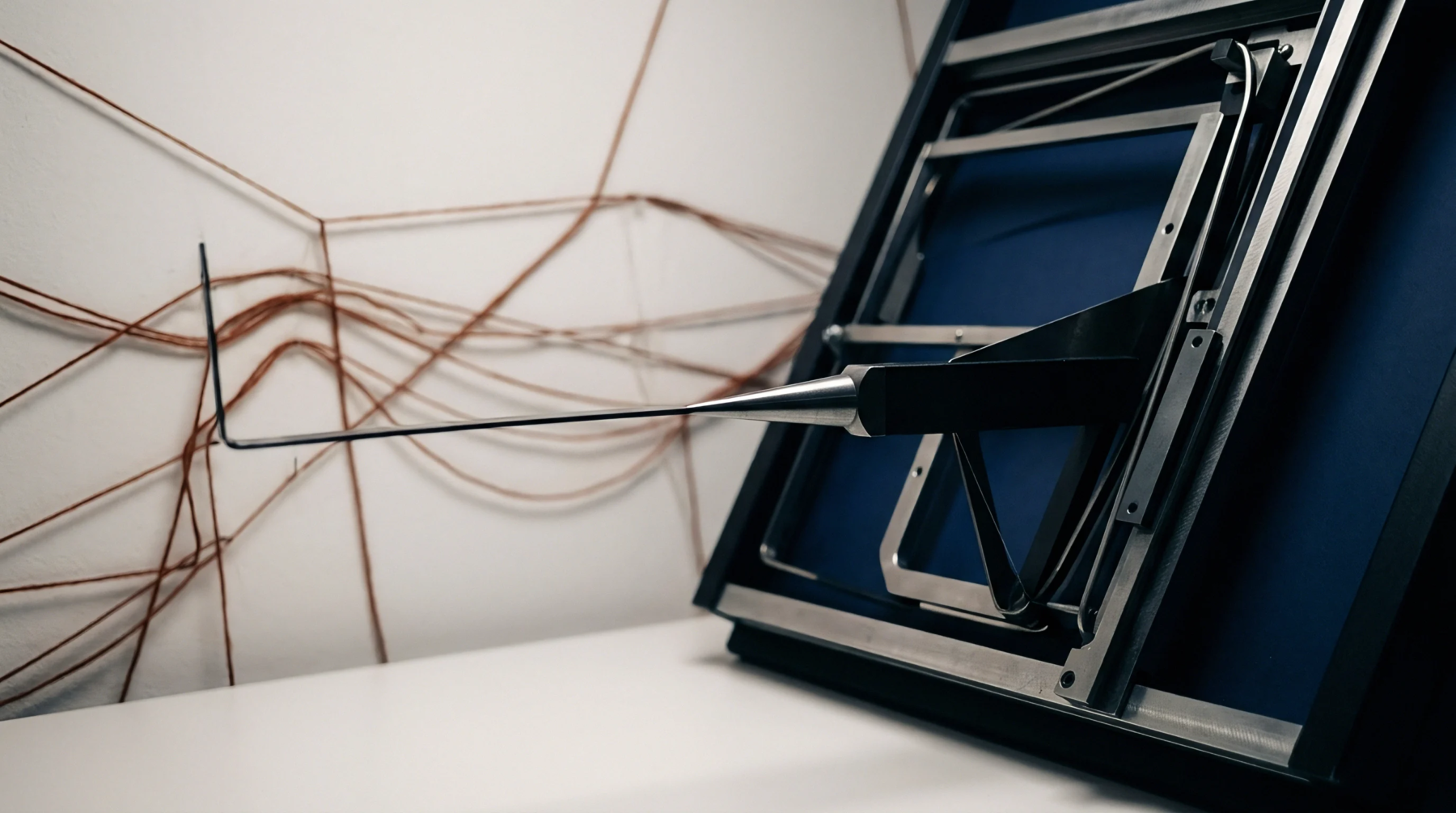
Optical Metrology
Advanced imaging systems measure the strain in a specimen by tracking surface markers without physical attachment to the material. Laboratory technicians use non-contact extensometry to test highly elastic fabrics where the weight of a traditional clip-on device would distort the results. This technology employs high-speed cameras and digital image correlation software.
Strain Tracking
Tracking algorithms calculate the displacement of specific points on the fabric surface as the tensile load increases. In non-contact extensometry, the distance between two marked pixels is converted into a percentage of elongation. This data provides a true representation of how a garment stretches during wear.
Mechanical Integrity
Physical damage is avoided because no knives or clamps touch the gauge length of the textile sample. Using non-contact extensometry prevents premature failure at the attachment point, which is a common problem when testing thin films or fine lace. The sample remains in its natural state throughout the entire pull cycle.
Deformation Analysis
Mapping the full field of strain reveals how local variations in weave density affect the overall strength of a panel. Modern non-contact extensometry identifies weak zones that might lead to bursting or tearing under real-world conditions. This level of detail allows designers to reinforce specific areas of a technical garment without adding unnecessary bulk to the entire piece.
Using digital records of the test enables a factory to prove the performance of a batch to the buyer without shipping physical samples. The resulting data provides a permanent record of material behaviour.