Non-Fiber Extraction
Chemical laboratory procedures isolate pure fiber mass from greige fabrics by extracting non-cellulosic impurities, warp sizes, spinning lubricants and knitting oils. Non-fibrous content removal calculates the weight percentage of organic and inorganic additives removed through sequential solvent and hot water washing cycles. Testing laboratories perform this quantitative removal to determine clean fiber dry weight before commercial settlement or chemical blend analysis.
Solvent Washing
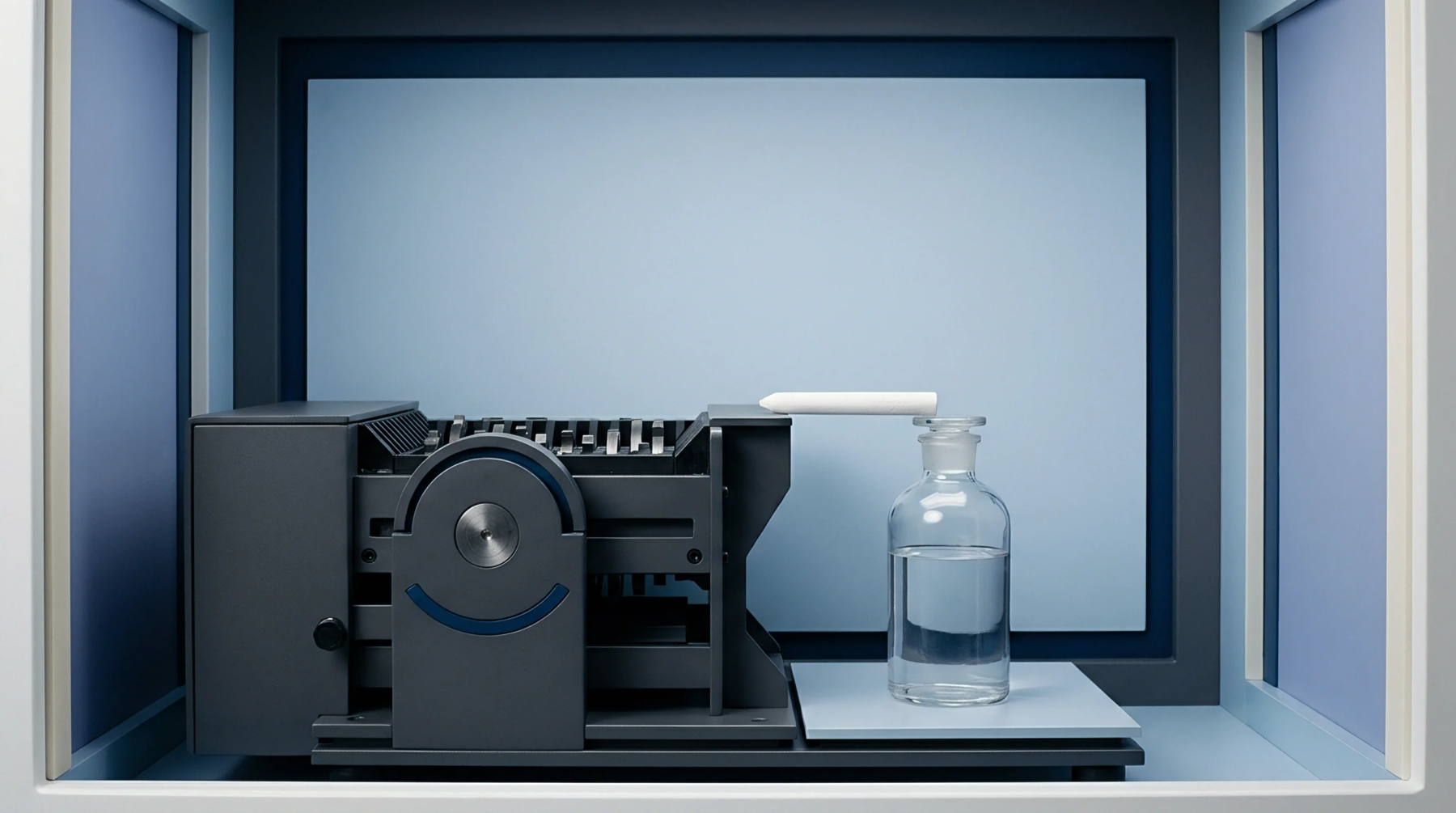
Soxhlet extraction apparatus uses petroleum ether or dichloromethane to dissolve spinning lubricants, wax coatings and mineral oils from fabric swatches. Desizing enzymes or hot water baths subsequently break down starch and synthetic size materials applied during warp preparation. Samples undergo oven drying after each extraction phase to measure weight loss attributable to specific chemical categories.
Quantitative Scouring
Alkaline boiling with sodium hydroxide extracts natural cotton pectins, waxes and ash content, isolating true cellulose mass. Testing protocols standardise boiling duration, chemical concentrations and rinsing steps to prevent fiber structural degradation. Calculating mass loss from non-fibrous substances ensures accurate determination of net dry fiber weight.
Standard Clean Baseline
Fabric specifications define maximum allowable non-fibrous content to ensure uniform dye uptake in subsequent wet processing steps. Residual oils cause streaking and spotty dye penetration during dyeing operations. Laboratory verification confirms effective desizing and scouring performance.