Extraneous Mass
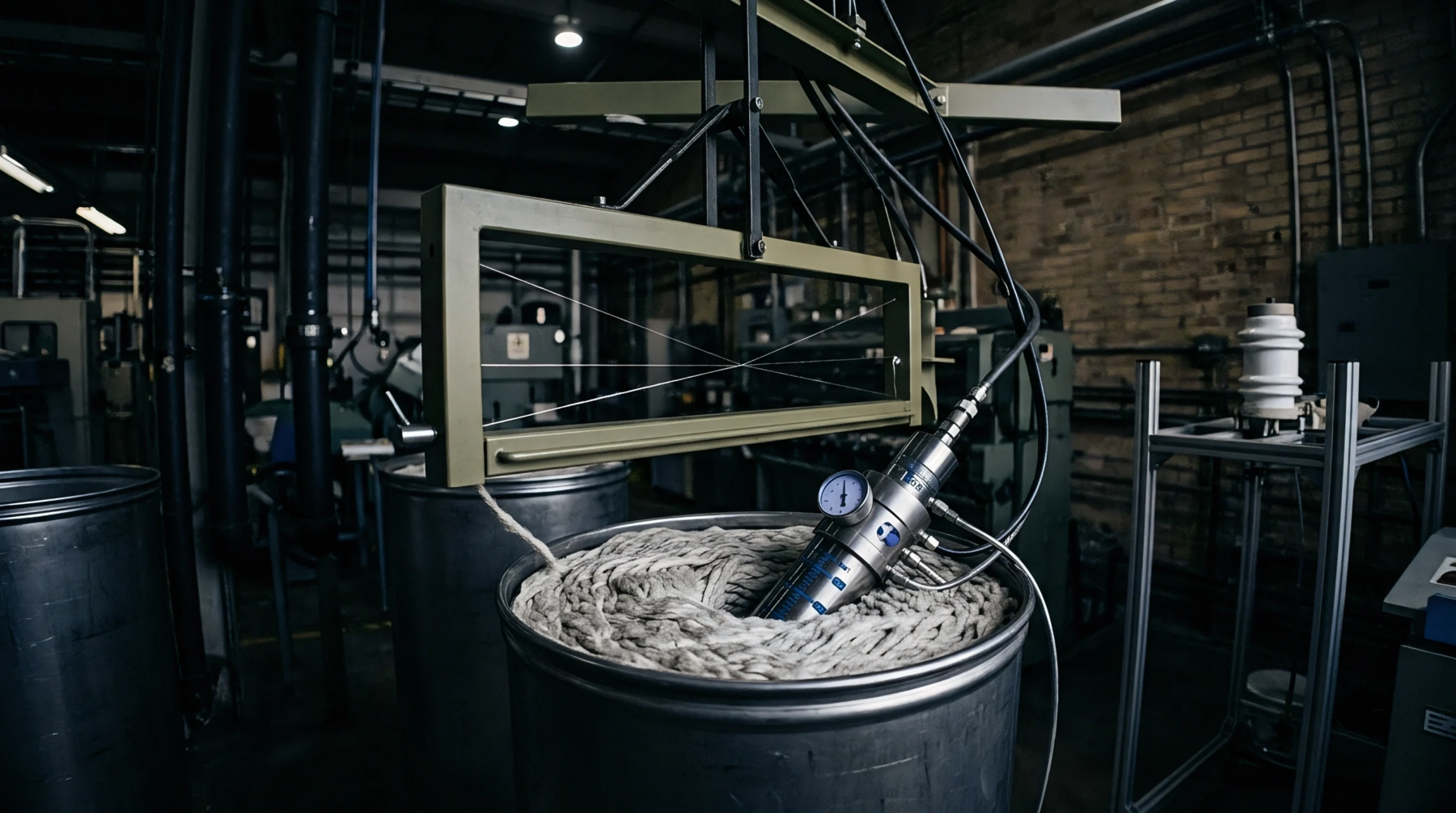
Plant residues, seed fragments, dust, and synthetic contaminants found in raw cotton bales represent the material separated from the usable lint during cleaning. This non lint waste is measured by gravimetric analysis to determine the clean yield of the raw cotton batch. Spinning mills track this value to assess the quality and cleanliness of their raw material purchases.
Separation Technique
Mechanical openers and carding machines use centrifugal force and grid bars to eject the heavier debris from the lint stream. During these stages, non lint waste is collected in waste chambers beneath the machinery for disposal or recycling. The efficiency of the cleaning line is optimized when the maximum amount of trash is removed with minimum loss of usable fiber.
Quality Calculation
High ratios of foreign material in the bale force the yarn manufacturer to run the opening line at higher speeds or with more aggressive settings. This action increases the generation of non lint waste and may damage the delicate cotton fibers, leading to a higher short fiber content. Measuring this waste helps mills adjust their process parameters to protect the fiber length.
Commercial Value
Bales with high trash content are sold at lower prices to compensate for the higher processing waste.