Flow Restriction
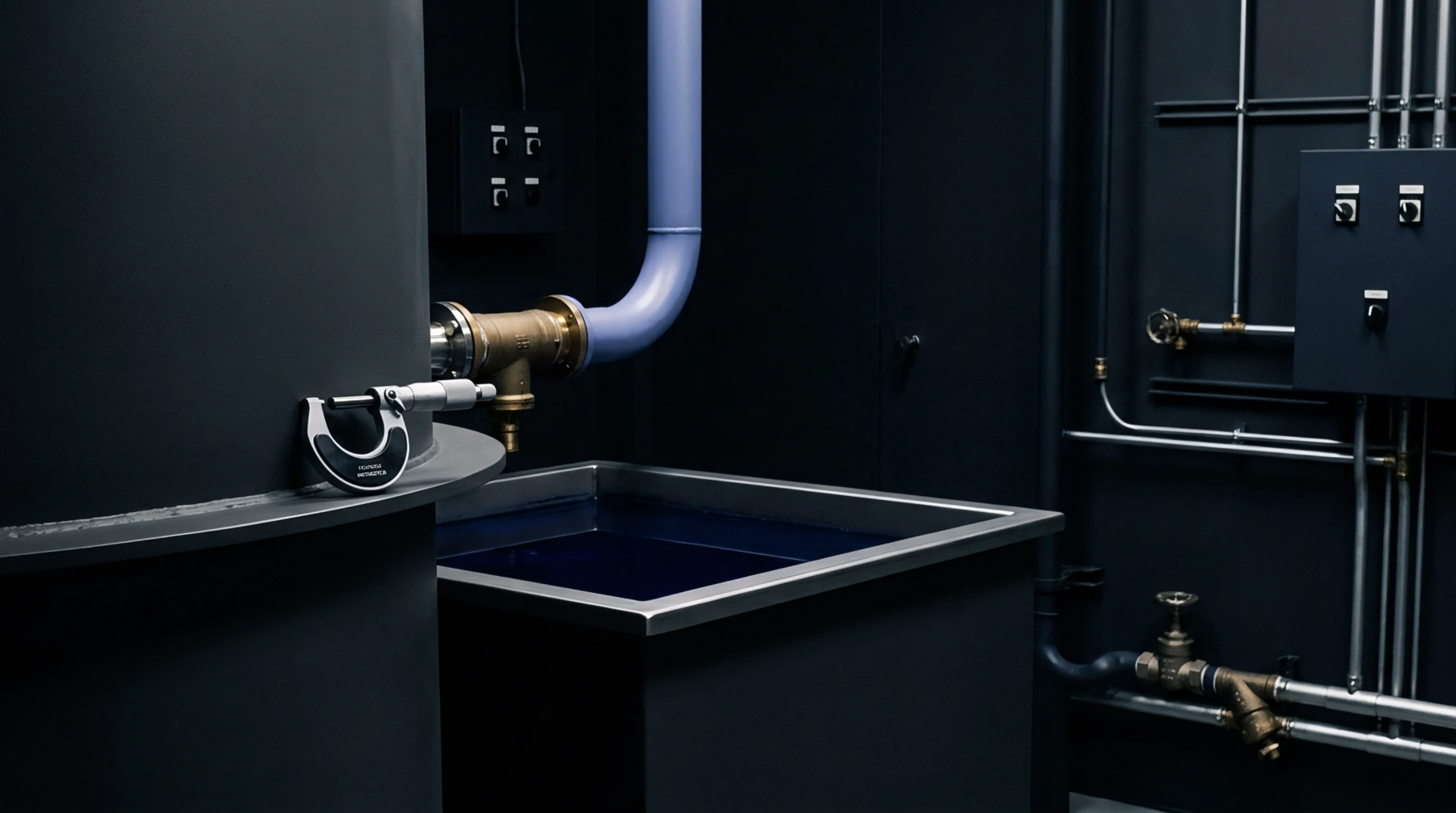
Fixed constriction inserted into a fluid pipeline generates deliberate pressure drops to measure or equalize flow distribution across fluid delivery circuits. In textile wet processing, orifice plate balancing standardizes dye liquor distribution across multi-strand washing ranges and manifold spray headers. Installing calibrated orifice plates ensures each spray nozzle receives equal liquor volume regardless of its physical distance from the main circulation pump.
Uniform fluid delivery prevents shade variations and incomplete chemical removal across wide fabric webs.
Differential Pressure
Pressure drops created across an orifice opening scale predictably with the square of fluid velocity through the aperture. Engineers calculate specific hole diameters to balance pressure distribution across branched piping networks. When parallel dye liquor lines exhibit unequal flow resistance, fluid moves along path of lowest resistance, starving distant spray bars.
Executing orifice plate balancing restores equal volumetric flow rates by adding targeted hydraulic resistance to shorter pipe runs. Balanced flow prevents localized under-bleaching or uneven dye liquor application in high-capacity continuous dyeing ranges. Regular cleanings prevent chemical scale build-up inside the orifice plate opening, which alters calibration profiles over operational cycles.
Hydraulic Equalization
Manifold design in textile washing equipment relies on predictable head pressure across all feed positions. Equalized fluid delivery ensures consistent mechanical action from fluid jets across the moving fabric width. Consistent washing efficiency reduces water usage while maintaining high fastness properties.
Calibration Routine
Differential pressure transmitters measure fluid pressure drops across installed orifice plates during maintenance checks. Technicians log flow measurements against pump speed curves to verify circuit balance. Flow records document system efficiency before starting production runs.