Signal Generation
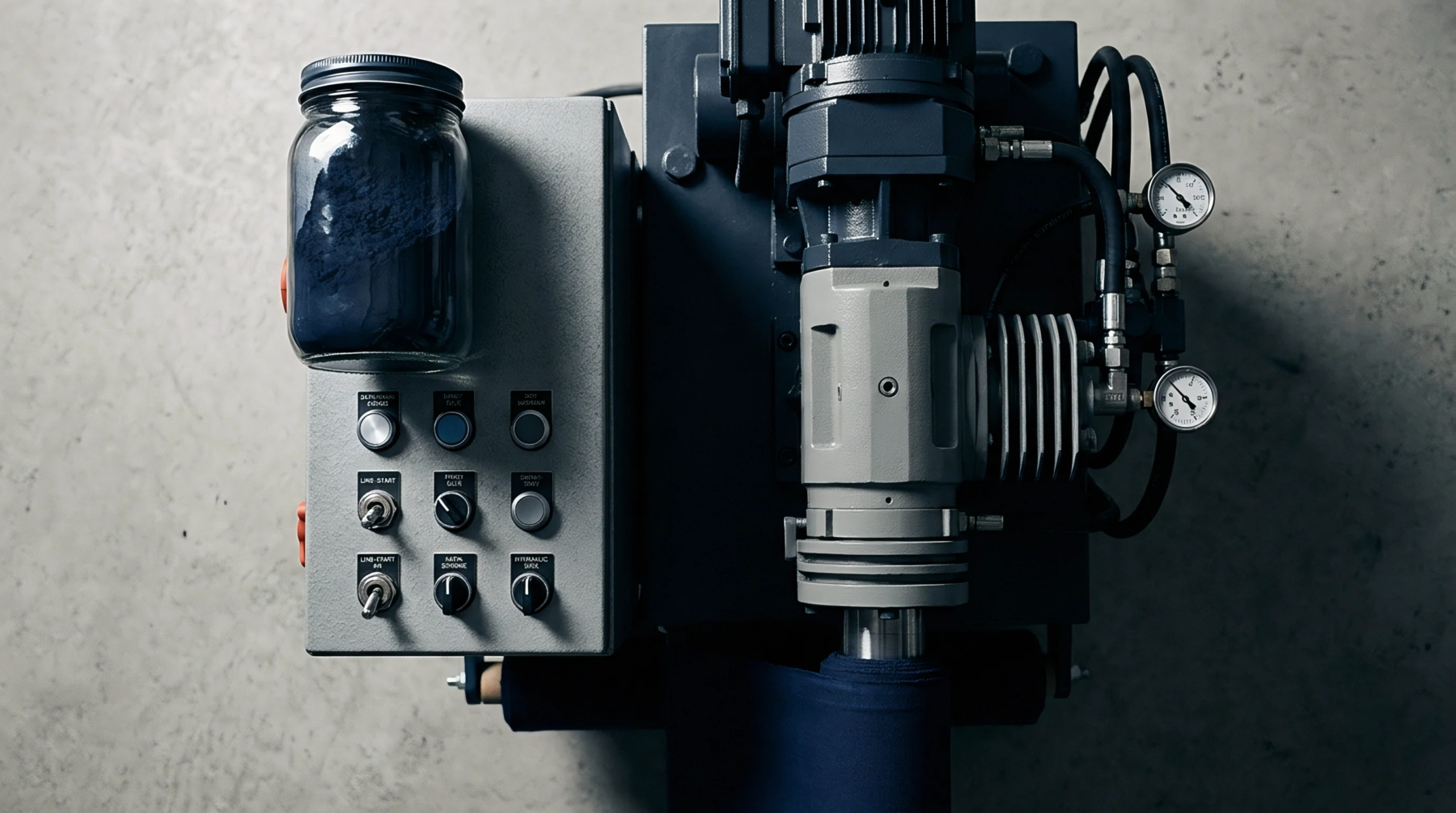
Electromechanical crystal transduction converts dynamic physical strain and mechanical vibration into measurable voltage signals across automated textile machinery. Production equipment integrates the piezoelectric sensor to detect millisecond-level changes in yarn tension and fluid pressure pulses. Ceramic crystal elements like lead zirconate titanate generate an electrostatic surface charge when compressed by running yarn or hydraulic surges.
The generated voltage correlates directly with applied mechanical force across wide frequency spectra. Signal amplifiers condition this high-impedance voltage output for digital microcontrollers that manage automated motor speeds. Because crystals generate charge only during changing mechanical loads, static force measurement remains impossible without secondary capacitive drift compensation.
High-speed processing lines rely on this dynamic response to register yarn events occurring within fractions of a millisecond.
Tension Monitoring
Continuous yarn delivery on high-speed circular knitting machines and winding frames requires instant feedback to prevent yarn breakage. A yarn guide mounted on a piezoelectric sensor translates yarn friction and deflections into continuous millivolt fluctuations. Automated creels interpret rapid voltage spikes as tight yarn strands and instantly signal yarn feeders to release additional length.
Consistent yarn tension stops unwanted stitch density variations across the circular fabric tube.
Break Detection
Loom weft insertion systems deploy ceramic transducer heads to confirm the arrival of weft yarn across high-speed air-jet and rapier sheds. Missing yarn passes fail to strike the piezoelectric sensor, triggering an immediate electronic loom stop before the reed beats up an empty pick. False stops diminish plant efficiency, while missed breaks generate costly fabric mispicks that require manual mending.
Calibration Standard
Instrument maintenance protocols mandate regular frequency-response and sensitivity verifications of all inline sensors. Laboratory calibration benches subject each piezoelectric sensor to certified dynamic force pulses using electrodynamic shakers. Technicians verify that voltage response curves remain linear across the operating speed spectrum of the target textile machine.
Sensors that exhibit output decay exceeding three percent are decommissioned to prevent undetected tension spikes during high-tenacity yarn processing. Certified transducer records accompany every automated fabric inspection line audit to guarantee quality conformance.