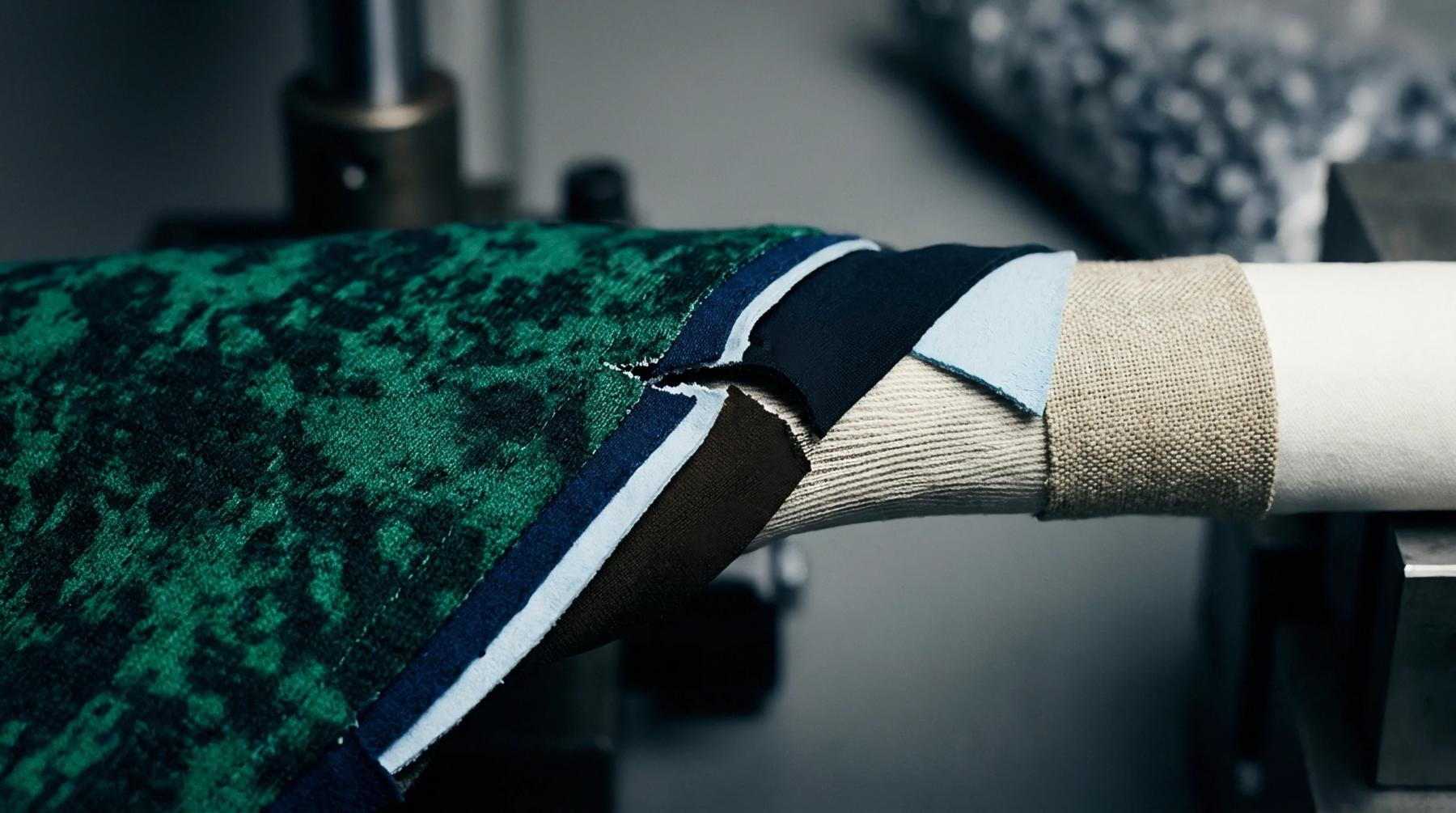
Stenter Capacity
Textile finishing machinery relies on mechanical boundaries to maintain fabric stability during heat setting and drying. Pin chain width determines the maximum and minimum distance across the tenter frame at which the grippers hold the selvedges. Correct adjustment prevents overstretching or distortion of the textile grain.
Frame Alignment
Technical operators monitor these parameters to ensure the distance between the tracks corresponds to the required finished measurement of the roll. Proper synchronization of the left and right rails keeps the material straight as it passes through the heating chambers. Incorrect positioning causes uneven tension across the length of the fabric.
Process Stability
Thermal expansion within the machinery influences the precision of the setting over long production runs. Steel frames change dimensions as the internal temperature fluctuates during operation. Frequent calibration checks prevent width variation from exceeding the tolerances permitted in bulk textile contracts.
Measurement Compliance
Quality control departments verify the finished roll against the pre-set machine dimensions after the cooling phase. Fabric recovery characteristics dictate how much the material shrinks once the tension of the pin chain releases. Strict adherence to this mechanical spacing ensures the output remains consistent with the technical specification sheets provided by the mill.