Pneumatic Bursting Strength
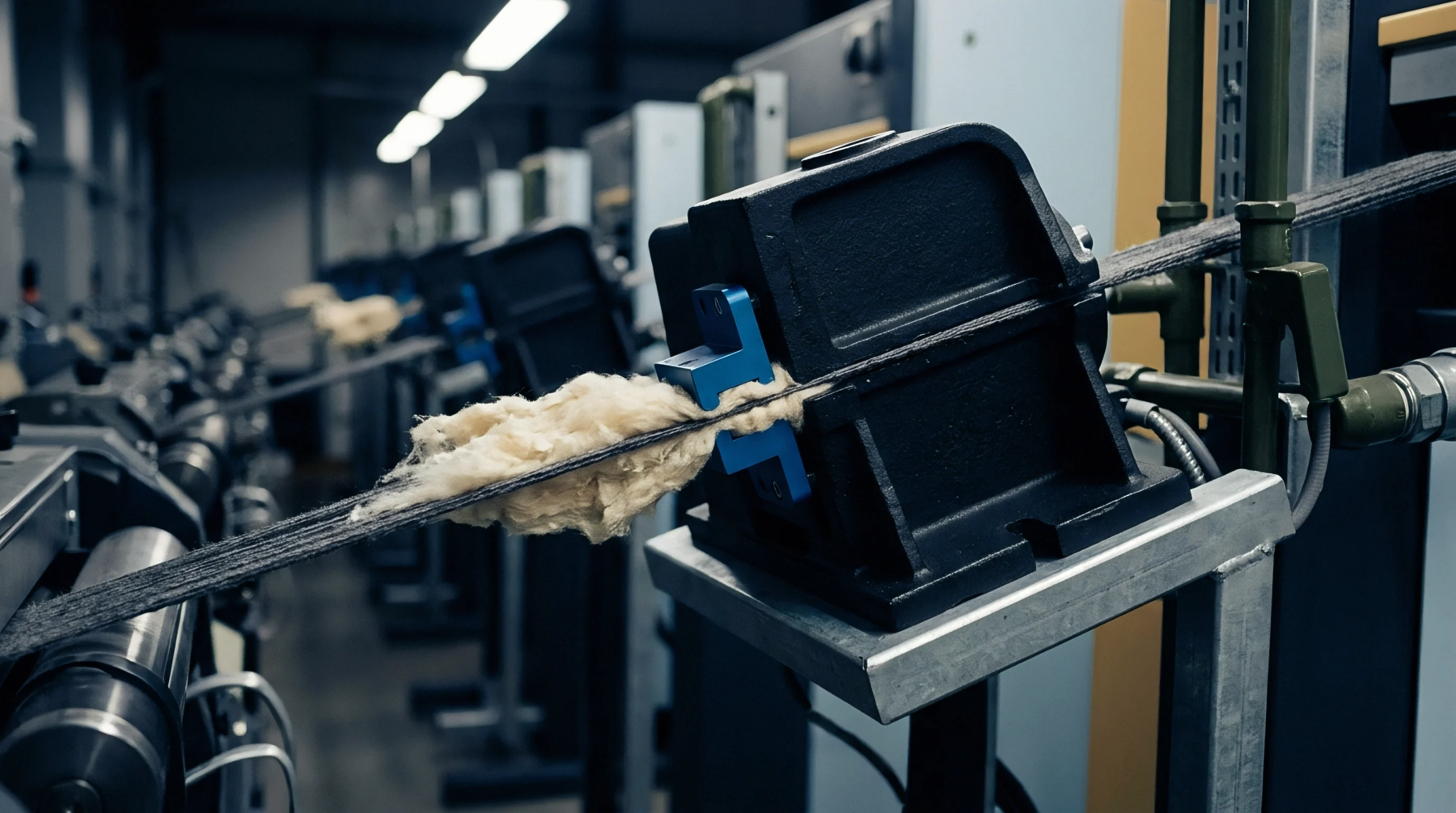
Air pressure application against a flexible diaphragm forces fabric upward until structural failure occurs under multi-directional stress during textile performance evaluation. Commercial mills verify pneumatic bursting strength during final quality audits on knitted fabrics and non-woven goods destined for high-wear apparel production. Testing apparatus clamps circular specimens securely over an expandable rubber membrane while compressed air enters the chamber beneath at a controlled rate until rupture happens.
Measured values appear in kilopascals or pounds per square inch to record the total resistance against multidirectional distension. Fabric construction parameters dictate the baseline threshold, where loose yarn interlacing yields lower resistance compared to tight loops found in technical knitwear. Quality controllers inspect these metrics before shipment approval to confirm garments withstand routine physical strain during daily consumer usage.
Industrial standards mandate strict atmospheric conditioning of samples prior to testing because ambient humidity alters moisture content within natural cellulose fibres. Testing laboratories record the maximum pressure registered at the exact moment of specimen tear, discounting erratic peaks caused by slippage inside the clamping ring. Production lots falling beneath minimum contractual thresholds fail commercial acceptance, requiring root-cause analysis on yarn count, loop length, or finishing tension parameters.
Pressure Calibration
Diaphragm stiffness contributes inherent resistance against the expanding air stream, requiring strict mathematical correction before calculating net fabric performance values. Technicians measure empty diaphragm inflation resistance across specific height intervals and subtract those baseline figures from gross test results to isolate true specimen strength. Sensor drift within pneumatic gauges introduces measurement errors that invalidate mill compliance certificates unless verified periodically against dead-weight testers.
Calibration protocols demand traceable verification procedures using standard aluminium foil references of known mechanical integrity. Maintenance schedules dictate routine replacement of worn rubber diaphragms because repeated expansion alters elasticity and distorts pressure readings over extended operational cycles.
Failure Mechanics
Tensile forces accumulate simultaneously along warp and fill directions when the hemispherical bulge develops beneath the clamping head. Interlocking loops distort into elliptical shapes until yarn friction reaches its maximum limit and individual filaments snap sequentially along the line of greatest tension. Knit structures exhibit higher distension capacity than woven counterparts because looped yarns straighten progressively before reaching the breaking point.
Brittle synthetic filaments fracture suddenly without significant prior elongation, whereas natural wool blends absorb higher total energy through gradual fibre realignment. Operators analyze torn edges following rupture to differentiate between yarn breakage, slippage out of the clamp, or premature failure caused by localized yarn defects.
Batch Compliance
Contractual agreements between garment manufacturers and textile mills establish minimum acceptable pressure ratings for every delivered production lot. Statistical sampling plans dictate the quantity of circular specimens cut from diagonal widths of the fabric roll to detect localized finishing inconsistencies. Discrepancies between mill self-certification data and independent laboratory audits trigger secondary testing cycles to resolve commercial disputes over substandard material lots.
Final acceptance decisions rest upon mean bursting values calculated across multiple randomized specimens drawn uniformly from the bulk consignment. Commercial durability claims depend entirely on reproducible pneumatic test data that correlate directly with garment longevity under actual consumer wear conditions.