Protective Barrier
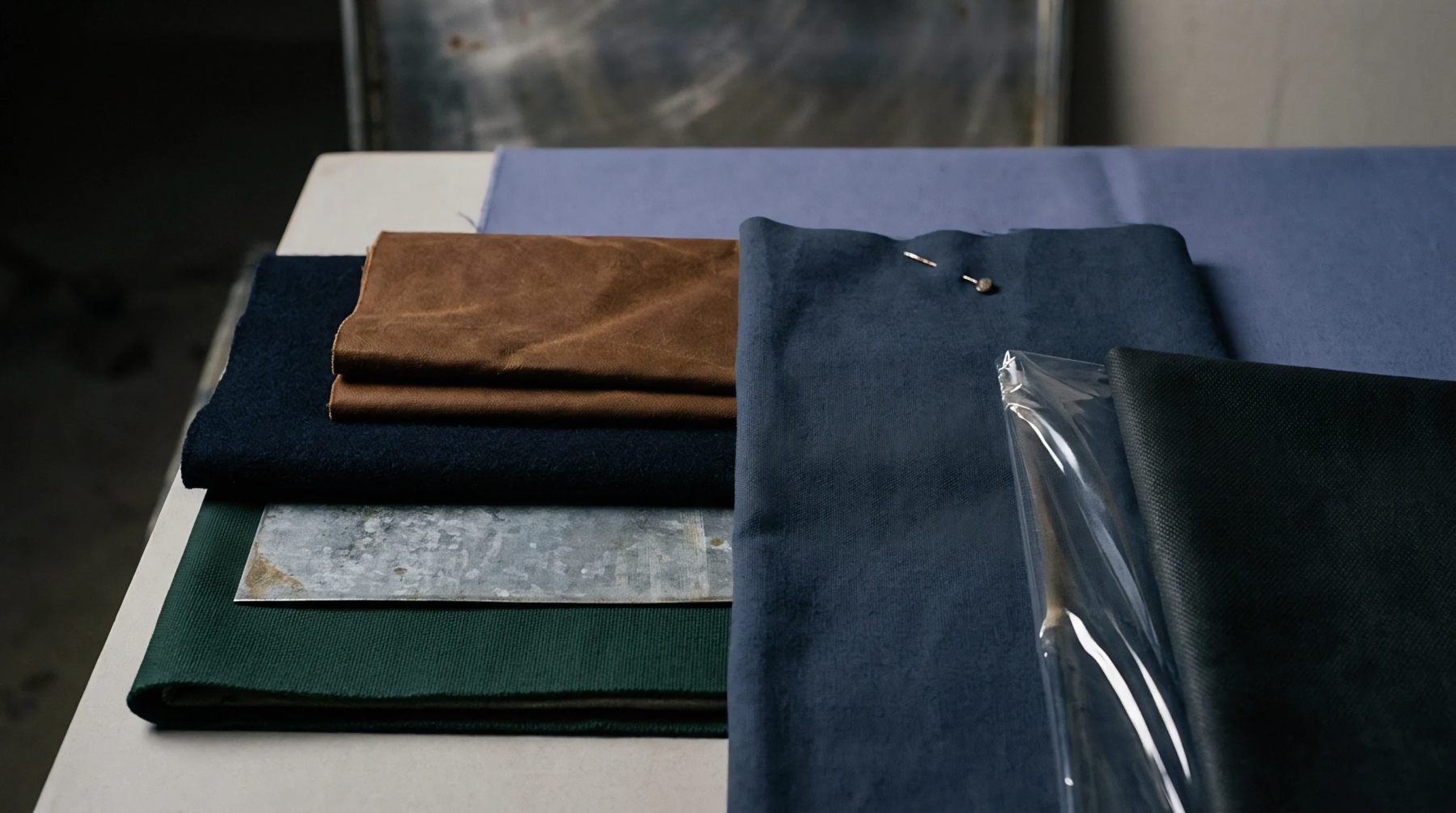
Synthetic polymer barrier used in textile packaging protects finished garments and fabrics from moisture, dust and environmental contaminants during transit and storage. Polyethylene film is a versatile material that can be produced in various thicknesses and densities to meet the specific needs of the apparel industry. This material provides an effective shield against the elements, ensuring that the products arrive at the customer in the same condition they left the factory.
The application of this film is the final stage of the manufacturing process before the goods are loaded into shipping containers. A clear and durable wrap is necessary for the presentation and the protection of high quality textiles.
Polymer Density
Physical properties of the packaging depend on the molecular structure of the plastic used in its construction. Polyethylene film is available in low density and high density versions, each offering different levels of strength and clarity. Low density film is soft and flexible, making it ideal for individual garment bags that need to be easy to handle.
High density film is much tougher and is used for wrapping large rolls of fabric or for lining shipping cartons. The choice of density affects the tear resistance and the puncture strength of the package. If the film is too thin, it may break during transport, exposing the textile to moisture and dirt.
If it is too thick, it adds unnecessary weight and cost to the shipment. Manufacturers often use a blend of different densities to achieve a balance of durability and transparency. The film must also be treated with anti-static agents to prevent it from sticking to the fabric or attracting dust.
Printing on the surface of the film allows for the inclusion of brand names, sizes and care instructions. Accurate labeling is required for the efficient sorting of the goods in the warehouse. Modern films may include UV inhibitors to prevent the fabric from fading when exposed to sunlight during storage.
Durability Factor
Strength of the wrap is tested by its ability to withstand the stresses of the global supply chain. Polyethylene film must resist the heat and humidity of a sea container and the physical handling at the port. A failure in the packaging can lead to damaged goods and financial claims from the buyer.
Quality control teams inspect the seals and the thickness of the film to ensure it meets the required standards.
Disposal Method
Environmental impact of plastic packaging is a major concern for the global textile industry and its customers. Polyethylene film is recyclable, and many companies have programs in place to collect and reuse the material. Some regions have strict regulations regarding the type of plastic that can be used for packaging and how it must be disposed of.
The move toward thinner films and the use of recycled content helps to reduce the total amount of plastic waste generated by the mill. Finding a balance between the need for protection and the desire for sustainability is an ongoing challenge for packaging designers. Proper management of these materials supports the overall goals of a responsible supply chain.