Polymer Softening
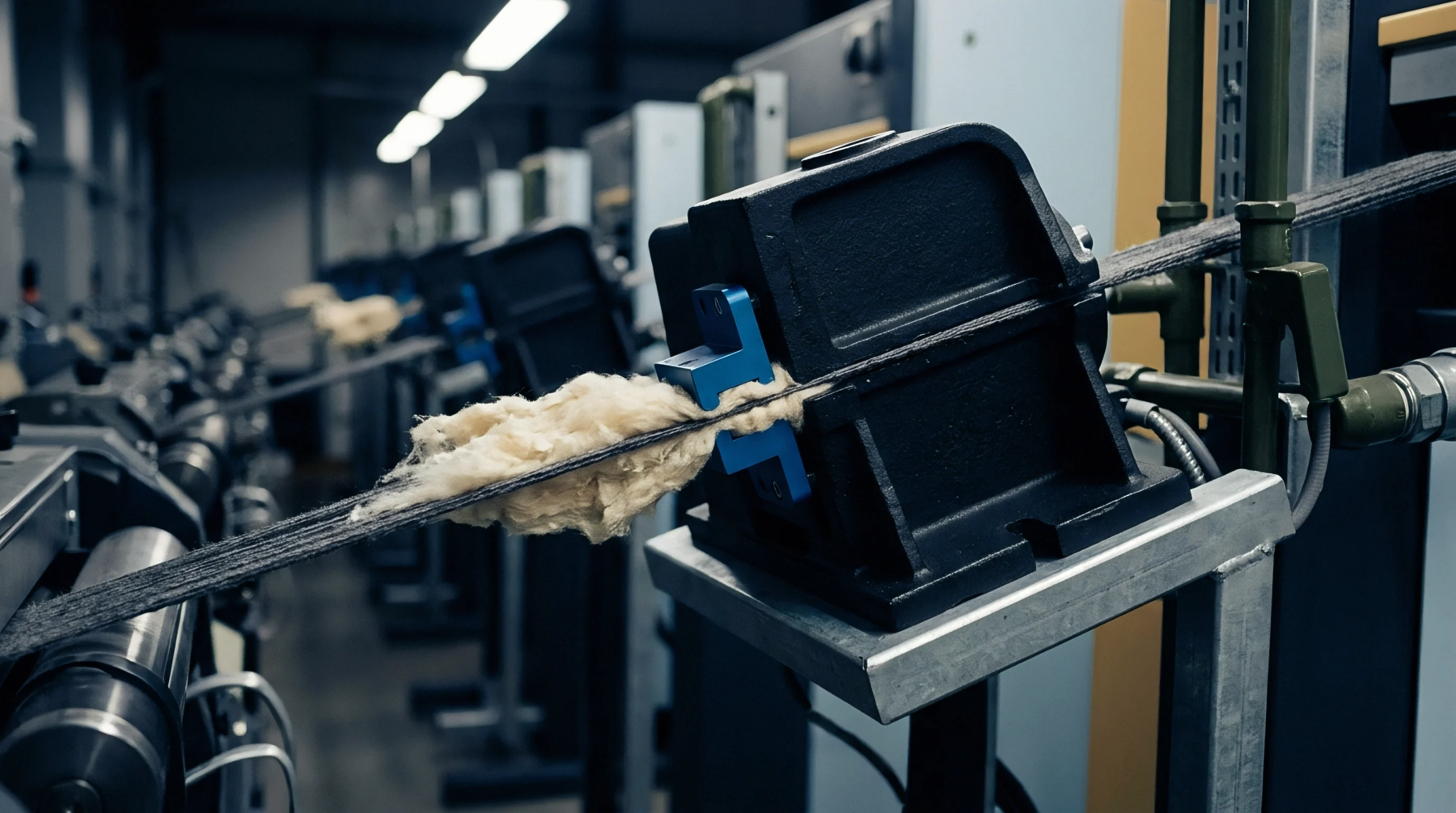
Structural changes in synthetic elastomers occur when heat or chemical agents penetrate the molecular chain to increase flexibility. During the finishing of spandex-blended fabrics, polyurethane plasticization allows the material to be shaped or set under tension. This process temporarily reduces the glass transition temperature of the polymer.
Chemical Effect
Certain solvents or finishing oils act as internal lubricants that distance the polymer chains from one another. This increased mobility allows the molecules to slide more easily when the fabric is stretched. While some additives are intentional, unintended polyurethane plasticization from residual spinning oils can lead to excessive growth or loss of recovery.
Heat Setting
High temperatures in a stenter frame accelerate the movement of the molecular segments. Once the polyurethane plasticization reaches the desired level, the fabric is cooled rapidly to lock the chains into a new, stable configuration. This step is required for ensuring the garment retains its size after domestic washing.
Durability Result
Excessive or repeated softening can eventually lead to the permanent breakdown of the elastic core. Fabrics that have undergone improper processing may exhibit thinning or loss of modulus. Control of the time and temperature during every stage of wet processing prevents the degradation of the elastic properties.