Metered Yarn Delivery
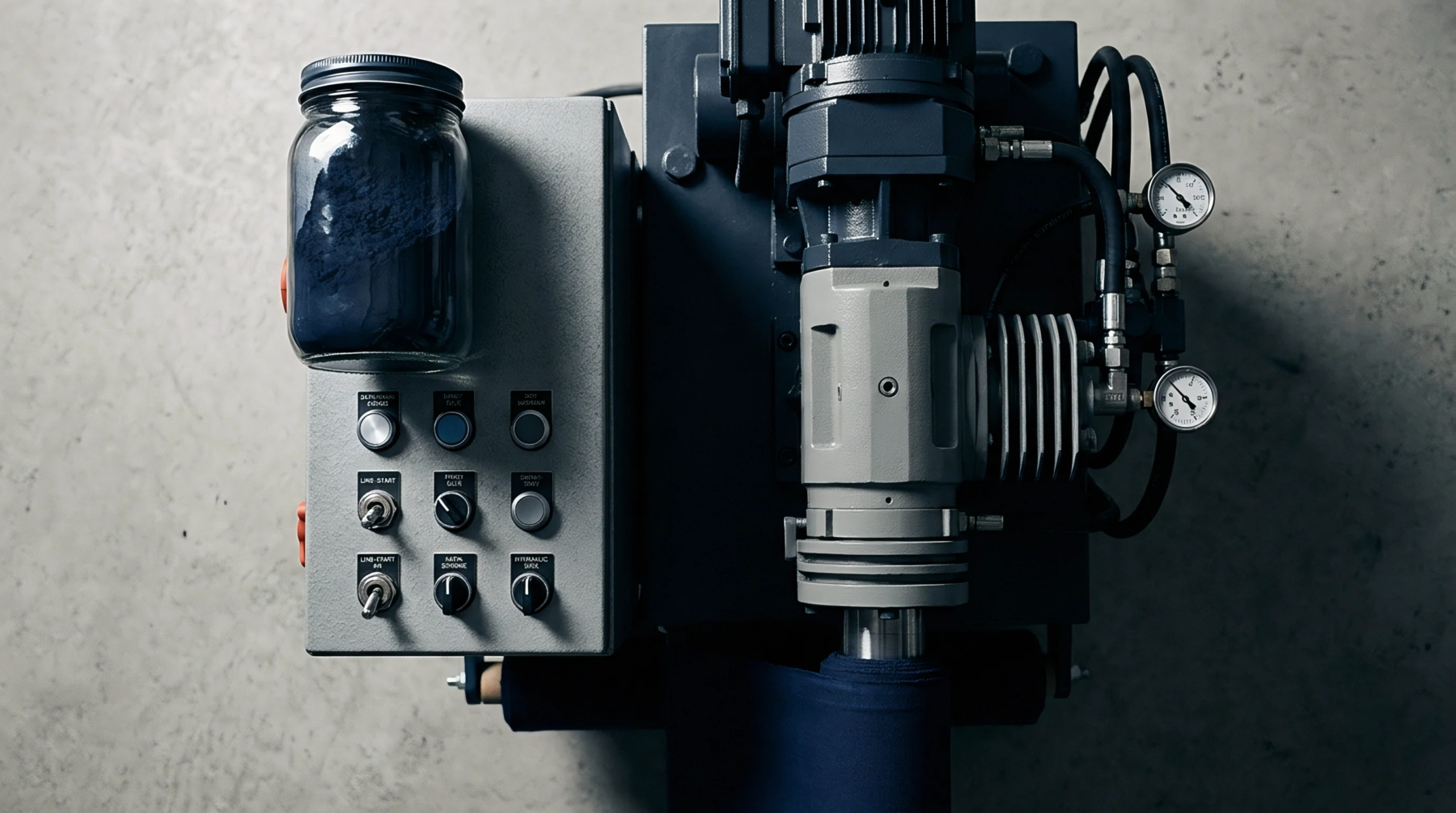
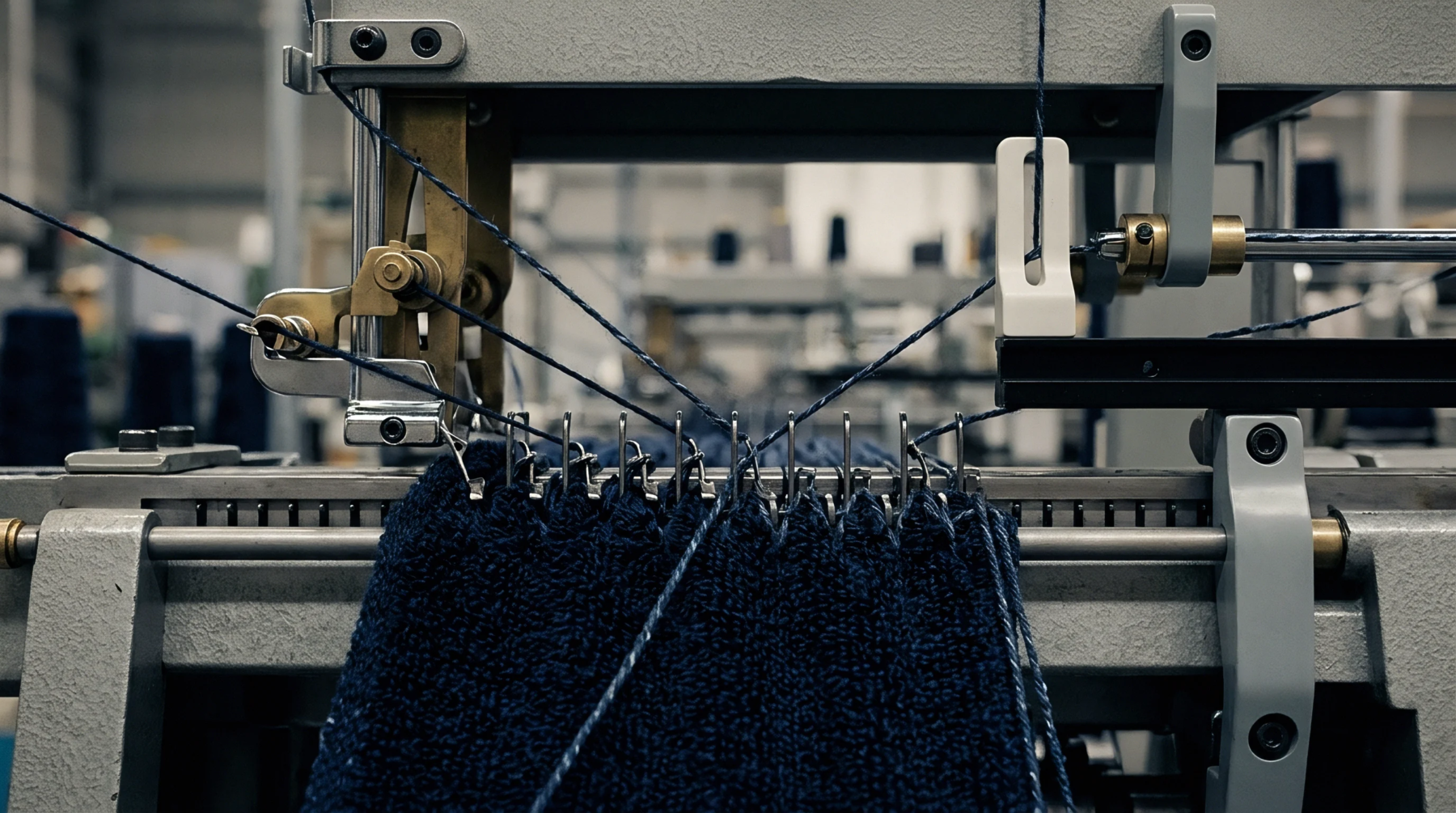
Mechanical yarn delivery mechanisms advance continuous filaments or spun yarns into knitting needle paths at an absolute, non-elastic rate that matches machine cylinder rotational velocity. Positive feed eliminates variation in loop formation caused by yarn package winding density, cone shape irregularities, or erratic frictional resistance through external tension disks. The system applies exclusively to weft knitting equipment processing steady stitch patterns where every operating needle pulls an identical, predictable length of yarn.
It stops functioning on jacquard, pattern-wheel, or variable-stitch knit constructions where distinct needles demand unequal yarn lengths within the same course.
Tape Drive Synchronization
Perforated or grooved drive wheels mounted above each machine feeder derive mechanical power directly from the central knitting cylinder via toothed belts and step-pulley arrays. Positive feed units advance yarn through rotating feed wheels that draw strands from supply packages without yarn slippage. Operators adjust the global stitch length across the entire machine by altering step-pulley gear ratios.
Micro-adjustments modify peripheral feed rates simultaneously across all active feeding positions. Tapes hold yarn loops securely against feed wheels.
Barré Prevention Mechanics
Fluctuating unspooling tensions along yarn cones create structural light-reflecting bands known as barré across the surface of single-knit fabrics. Positive feed delivers yarn at uniform delivery tension regardless of cone radius changes, suppressing course-to-course tightness variations. Tension sensors disengage machine clutch drives within milliseconds if a feeding yarn strand snaps or hangs up.
Controlled feed tension suppresses spirality in circular single jersey fabrics. Balanced loop structures safeguard against subsequent garment twist during commercial laundering.
Feed Calibration Protocols
Factory floor quality technicians audit delivery rates using mechanical or digital run-in indicators to measure running yarn length over one hundred machine revolutions. Positive feed calibration requires matching all feeder feed wheels within an operational margin of plus or minus one percent of the target yarn length. Discrepancies outside this limit force immediate retensioning of machine drive belts or replacement of worn drive wheel surfaces.
Regular auditing prevents yarn mass deviations between fabric rolls. Verified feed settings guarantee lot-to-lot stitch consistency.