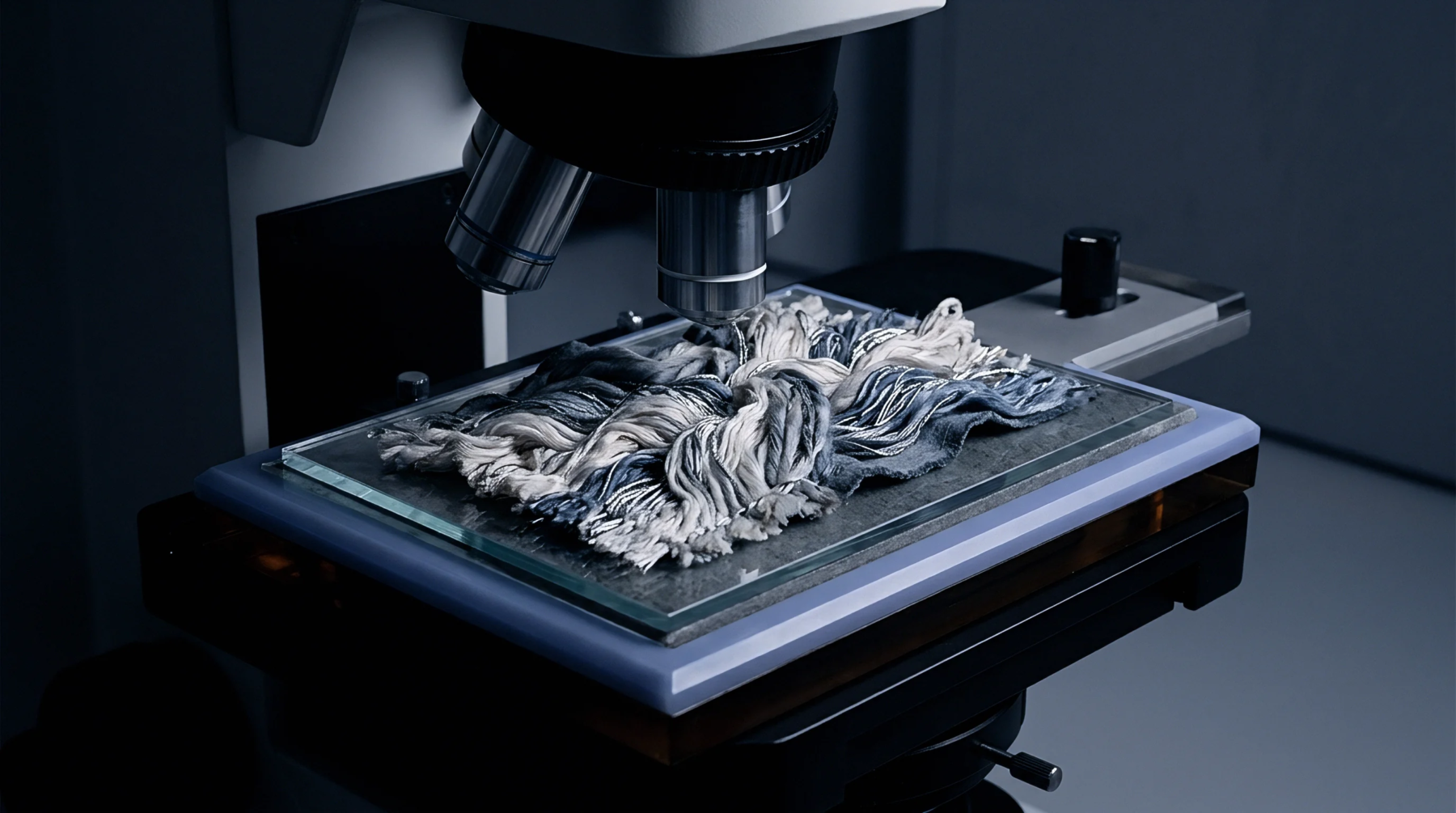
Thermal Stage
Controlled temperature application prepares partially oriented yarn for the drawing and twisting stages of texturing. The process of poy heating occurs within long electric or vapor-phase heaters to soften the thermoplastic filaments and allow molecular realignment. Precise control of this stage ensures that the yarn reaches the necessary glass transition temperature without melting the individual fibers.
Molecular Orientation
Molecular orientation increases as tension and heat work together to crystallize the polymer. During poy heating, the randomly oriented chains in the spinning-state yarn begin to slide and lock into a more structured arrangement. This change increases the tensile strength of the fiber.
Temperature Uniformity
Temperature uniformity across all positions of a multi-ended machine is required for high-quality production. Variations in poy heating result in barré defects in the finished fabric, as different heat histories lead to unequal dye absorption rates. Modern machines use sensors to monitor every heater plate to ensure a uniform thermal profile.
Stabilizing Zone
Stabilizing the yarn structure after the heater prevents the immediate loss of the imparted twist. Following poy heating, the yarn passes through a cooling plate or a regulated air zone to set the molecular orientation. This cooling step is as necessary as the heating itself for ensuring that the crimp remains permanent in the final garment.
Properly set yarn exhibits minimal shrinkage during later dyeing.