Chemical Deconstruction
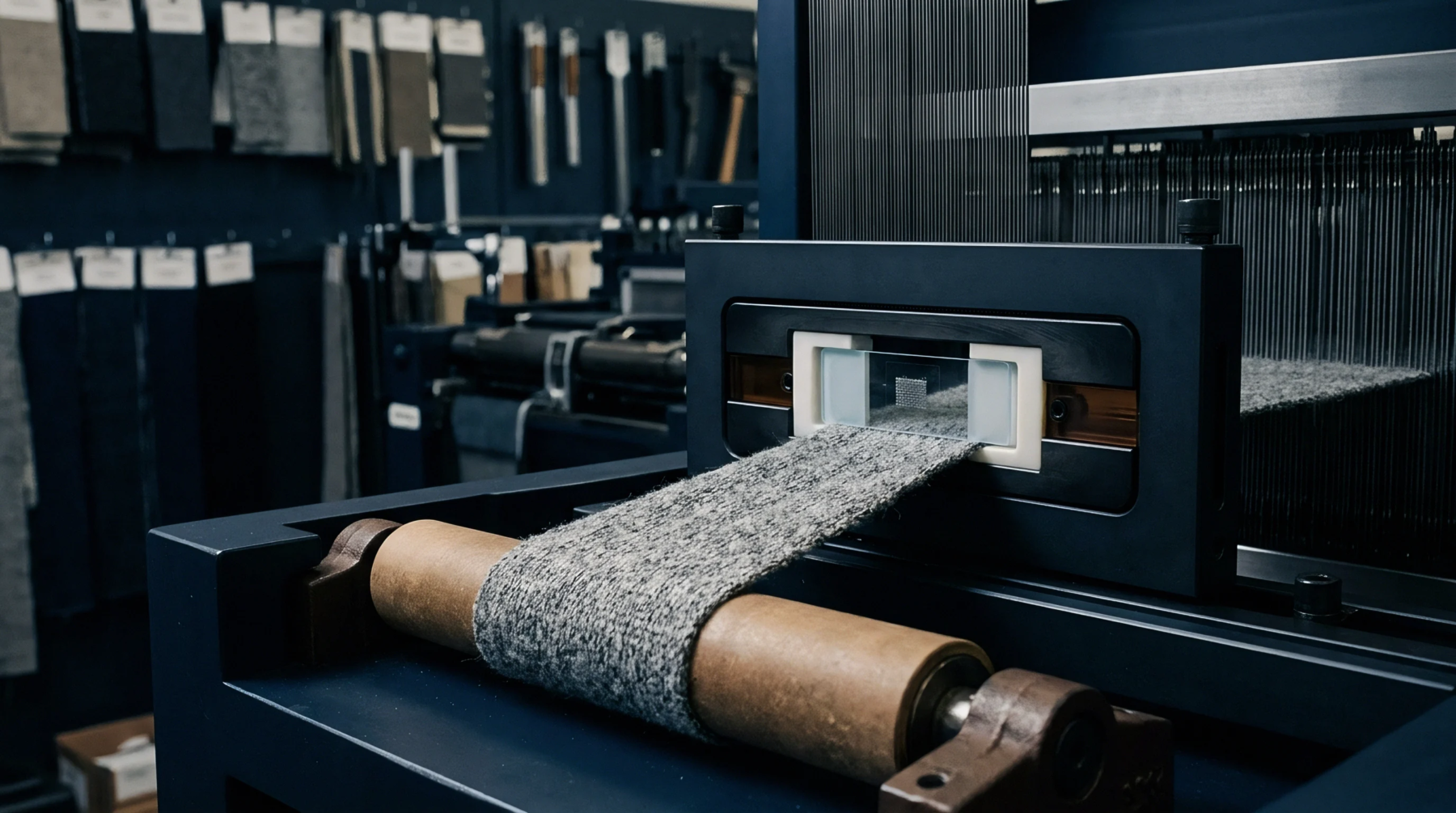
Analytical techniques involving the thermal decomposition of material in an inert atmosphere allow for the detailed identification of complex polymer blends and chemical additives in textiles. Using pyrolysis-gc/ms, a lab technician heats a tiny sample of fabric to extreme temperatures, breaking the long fiber chains into smaller, volatile molecules. These gases are then separated by a gas chromatograph and identified by a mass spectrometer based on their unique molecular weights.
This process reveals the exact chemical makeup of a fiber, including the presence of flame retardants, water repellents or hidden synthetic coatings. It is a destructive test, meaning the sample is destroyed during the analysis. This method is the final authority when optical scans or solvent tests produce ambiguous results for high-stakes quality control.
Material Identification
Precision in identifying unknown fibers is the primary strength of pyrolysis-gc/ms in a textile forensics or recycling setting. While infrared spectroscopy only looks at the surface, this thermal method analyzes the entire mass of the sample, uncovering internal components that might be masked by dyes or finishes. For example, a fabric that appears to be pure cotton might contain a small amount of an unusual elastic polymer that only appears as a specific peak on the mass spectrum.
This capability is essential for verifying the purity of recycled content and for detecting the use of restricted substances in the supply chain. The resulting data provides a fingerprint of the manufacturing process, showing the specific catalysts and resins used by the original mill.
Additive Detection
Specialized coatings and functional finishes are often difficult to quantify using standard laboratory methods. Researchers utilize pyrolysis-gc/ms to track the concentration of these substances within a finished garment to ensure they meet performance and safety specifications. If a brand promises a certain level of fire resistance, the test can confirm that the correct amount of chemical treatment was applied and that it has not washed out.
The high sensitivity of the mass spectrometer allows for the detection of trace amounts of contaminants that could cause skin irritation or environmental damage. This detailed insight helps manufacturers refine their recipes and avoid the use of excessive or dangerous chemicals. It also supports the development of new, more sustainable finishing agents by providing a way to measure their stability over time.
Laboratory Protocol
Executing a successful analysis requires the careful preparation of the sample to avoid any outside contamination that could skew the results. The technician must choose the correct temperature profile for the pyrolysis stage to ensure that the material breaks down completely without forming unwanted by-products. During pyrolysis-gc/ms, the timing of the gas separation and the calibration of the detector are critical for the accuracy of the final report.
Libraries of known polymer spectra are used to match the results with established chemical profiles. This technical complexity means the test is typically performed in specialized central laboratories rather than on the factory floor. Despite the cost and time involved, the depth of information provided is unmatched by any other analytical tool in the apparel sector.