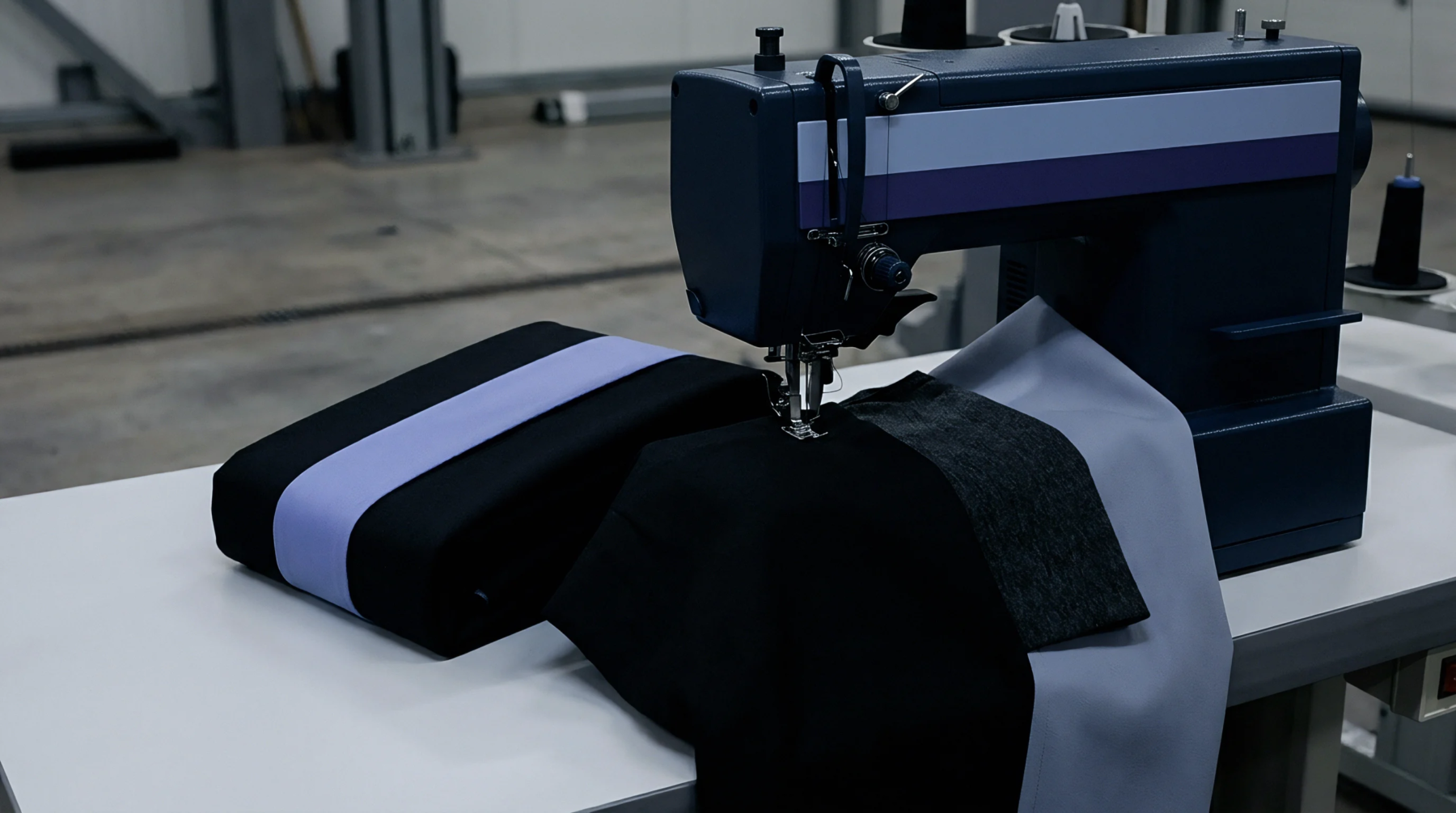
Calculating Net Dry Mass Adjustment Factors for Import Tariff Declarations
Calculating net dry mass adjustment factors requires converting port scale weights to oven-dry mass using ISO 6741 regain standards to prevent paying duty on absorbed water.
Analytical laboratory techniques used to determine the exact composition of blended yarns or fabrics involve the chemical or manual isolation of individual fiber types. Quantitative fibre separation is a critical process for verifying the label claims and ensuring compliance with textile labeling regulations. This method provides the mass of each fiber component expressed as a percentage of the total dry weight of the sample.
It identifies the presence of hidden fibers that might affect the performance or the duty rate of the garment. The analysis starts with a pre-treatment to remove finishes and impurities.
Solubility differences between various polymers allow for the selective removal of one fiber type while leaving the other intact. During quantitative fibre separation, the technician uses specific reagents like sulfuric acid to dissolve cotton from a polyester blend or formic acid to remove nylon. The remaining fiber is then filtered, washed, dried and weighed to determine the loss in mass.
This process requires precise control of the temperature and the concentration of the chemical to ensure the undissolved fiber is not damaged. If the reagent is too strong, it will degrade both fibers and lead to an inaccurate result. The weight of the dissolved portion is calculated by the difference between the starting and the final mass.
This laboratory work is the standard for resolving disputes over fiber content between the mill and the buyer. It is also used to verify the purity of recycled materials.
Enforcement of the consumer protection laws depends on the accuracy of the fiber content reported on the permanent care label. Quantitative fibre separation provides the data needed to check if a garment labeled as a sixty-forty blend actually meets that specification within the legal tolerance. Most countries allow for a small margin of error, typically around three percent, to account for natural variations in the manufacturing process.
If the lab results show a significant deviation from the label, the product may be recalled or the manufacturer fined. This testing is also used to identify the presence of expensive fibers like silk or cashmere that might be substituted with cheaper alternatives. Retailers perform these tests as part of their quality assurance programs to protect their brand reputation.
The test report becomes the official record for the compliance file of the product.
Precision in the laboratory environment is necessary to achieve repeatable and defensible results for international trade. Quantitative fibre separation requires calibrated equipment and a thorough understanding of the moisture regain of each fiber type. Because fibers like wool and rayon absorb a significant amount of water, the results must be adjusted to the standard moisture allowance to be comparable.
The lab must also account for any non-fibrous materials like dyes or coatings that were removed during the pre-treatment. Using standardized methods like aatcc 20a or iso 1833 ensures that the results are accepted by customs authorities and trade organizations. A well-executed separation provides a clear and undeniable proof of the material construction.
It is a fundamental tool for the technical evaluation of all blended textiles. The final percentage calculation is the basis for the commercial value of the fabric.
Calculating net dry mass adjustment factors requires converting port scale weights to oven-dry mass using ISO 6741 regain standards to prevent paying duty on absorbed water.
Expertise is a utility, not a secret. sentiention™ publishes its working knowledge as open reference: intelligence layer covering the materials it sources, the markets it enters, and the reference that serves both.