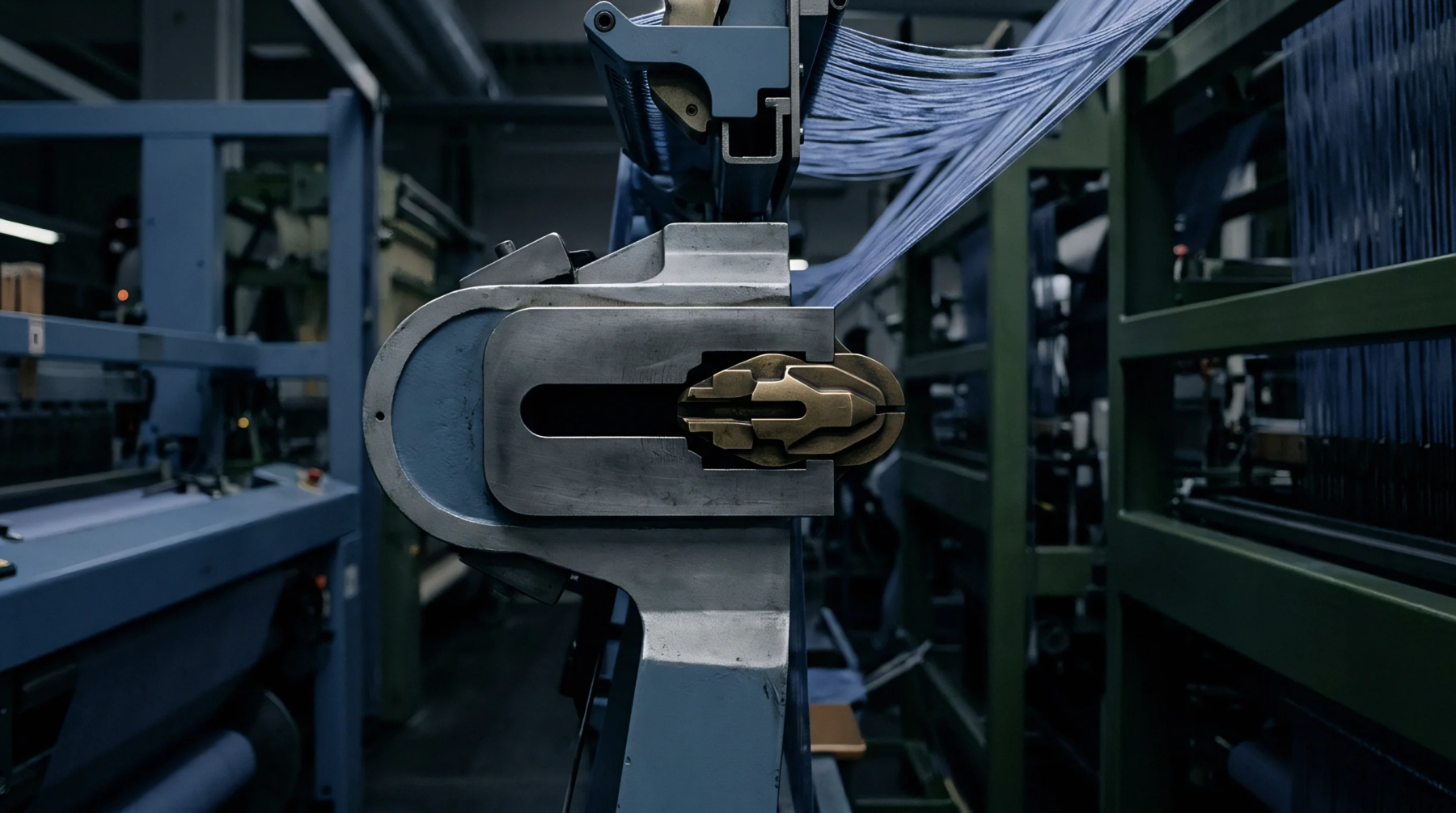
Liquid Dynamics
Rheology maintenance governs the flow characteristics of starch-based sizing agents applied to warp yarns during textile production. Size liquor viscosity control ensures that the fluid resists gravity and shear forces consistently as it passes through the applicator box. When the chemical resistance within the bath remains stable, the pick-up rate onto the fibres stays uniform across the entire batch length.
Consistent measurements prevent uneven drying or adhesion problems in subsequent weaving stages.
Flow Standards
Temperature regulation dictates the thickening or thinning of the size mixture as it moves toward the saturation point of the yarn. Sensors monitor the kinematic energy of the fluid to determine whether the solids content needs adjustment via water or concentrated additives. High pressure in the nip roll assembly demands a precise range of resistance so the fluid penetrates the fibre bundles without leaving excessive surface crust.
Mills calibrate these limits to match the specific tensile strength and hairiness profile of the warp material.
Process Stability
Mechanical sensors detect variations in the fluid resistance that arise from evaporation losses or thermal fluctuations in the storage tanks. Automation systems adjust the feed rate or heating input to return the mixture to the set viscosity parameters before the yarn enters the drying cylinders. Precise management protects the machinery from excessive torque loads and prevents the build-up of size waste on guide rollers.
Constant feedback loops minimize the frequency of machine downtime otherwise caused by yarn snapping due to brittle or insufficient coating.
Operational Boundaries
Production parameters establish the allowable variance for the sizing bath before a batch requires corrective action or disposal. Technicians correlate the measured fluid resistance against the target add-on percentage required for specific yarn counts and weaving speeds. Lower limits apply to high-density polyester blends while higher values ensure the protection of coarse cotton staples during heavy shed movement.
These quantitative thresholds form the primary evidence for assessing the reliability of the sizing operation in modern fabric manufacture.