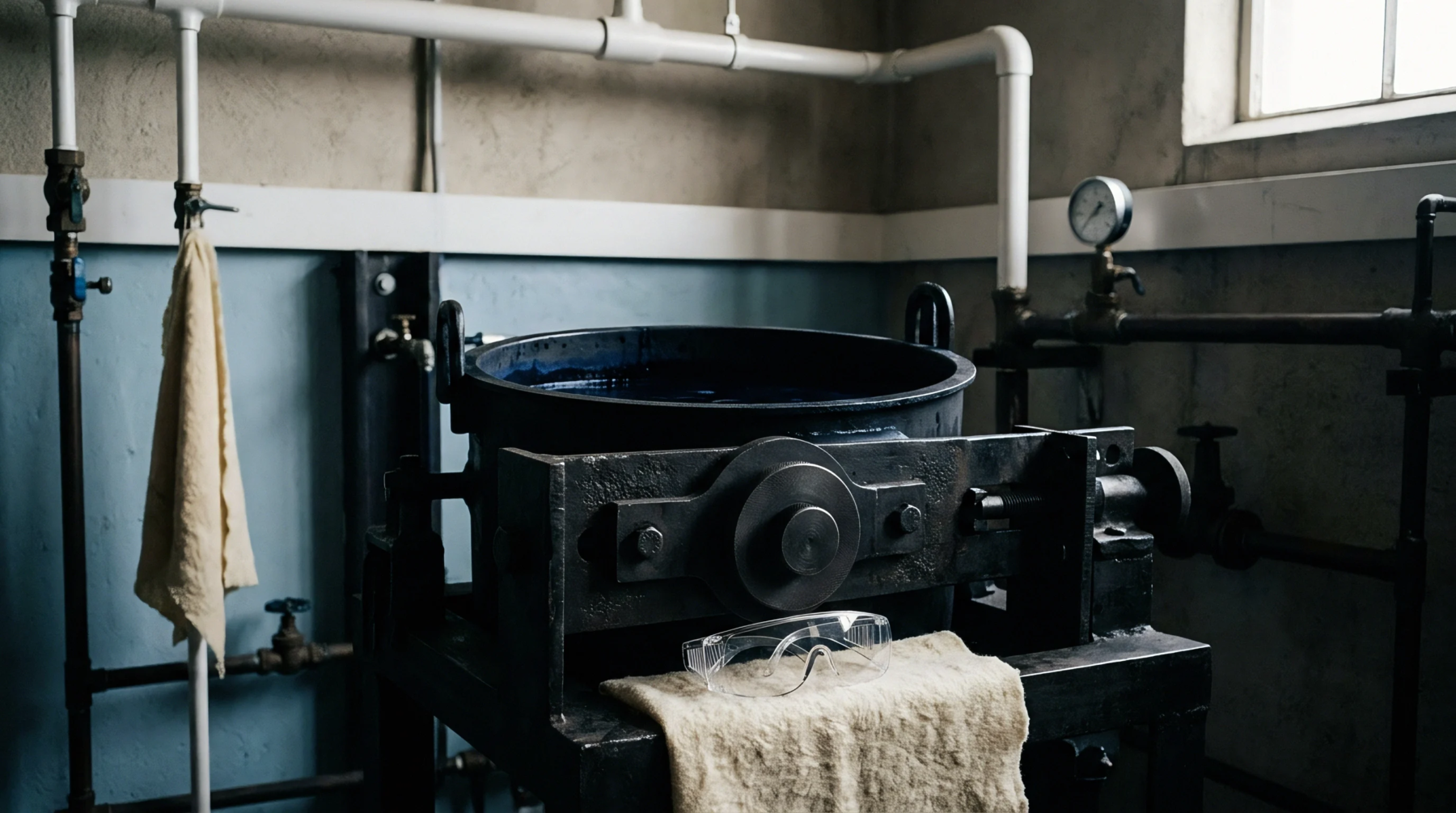
Chemical Dosing
Hydrogen peroxide bleaching of cotton fabrics requires a stabilizer to control the decomposition of the bleaching agent. The practice of sodium silicate dosing maintains the pH of the bleaching bath and prevents rapid, non-productive release of oxygen. This chemical feed must be measured precisely to avoid fabric damage.
Accurate dosing helps achieve a high white base for subsequent dyeing. Automated systems control the chemical feed rate during continuous processing.
Bleaching Action
Sodium silicate acts as a buffer and sequesters iron or copper ions that could catalyze peroxide decomposition. In the absence of sodium silicate dosing, these trace metal contaminants can cause pinholes in the cotton fabric. The dosing level is adjusted based on the hardness of the process water.
Fabric Scouring
High alkalinity is maintained during bleaching to swell the cotton fibers and remove natural impurities. When sodium silicate is dosed correctly, the scouring and bleaching actions happen simultaneously in the reaction chamber. This combined treatment reduces water consumption in the finishing department.
Equipment Maintenance
Excessive silicate dosing can lead to the formation of hard silica scale on the steel rollers of the continuous bleaching machine. This abrasive scale can tear or snag delicate fabrics as they pass through the machine. Regular acid washes are required to keep the rollers clean and smooth.