Material Separating
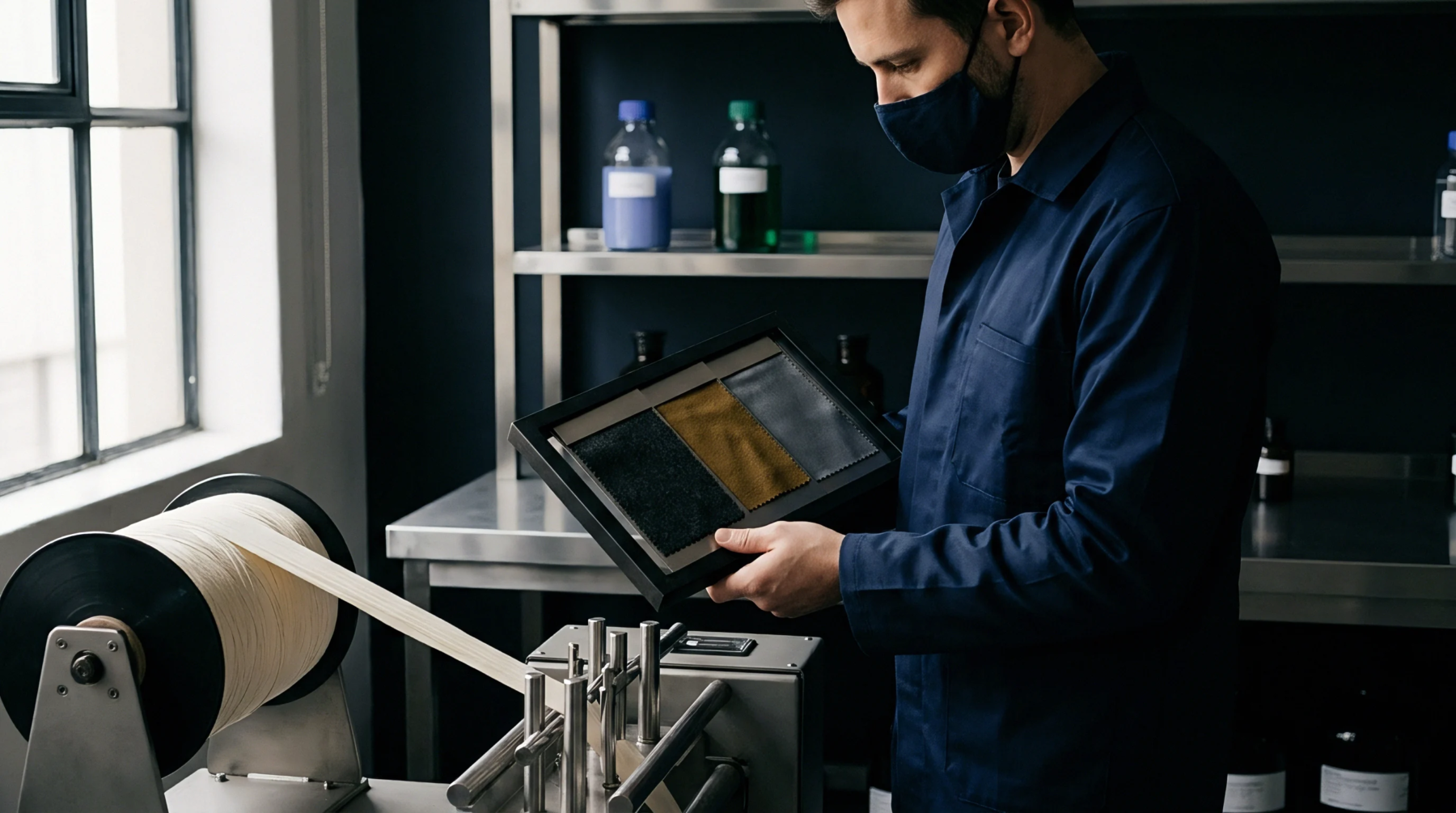
Textile laboratory testing procedures utilize specific liquid chemicals to isolate and measure the amount of non-fibrous substances present in a yarn or fabric sample. The solvent extraction physics describes the process where a liquid solvent penetrates the fiber structure to dissolve and remove oils, waxes, or finishing chemicals. This physical separation is essential for determining the clean dry weight of the textile material.
Solvent Selection
The choice of extraction chemical depends on the chemical properties of the substance being removed and the fiber itself. During solvent extraction physics, the liquid must dissolve the finish without damaging the structure of the underlying cotton, wool, or synthetic fibers. Petroleum ether is commonly used to extract natural fats and waxes, while ethanol is chosen to dissolve surface finishes and soaps.
Extraction Dynamics
Continuous heating and condensation in a Soxhlet extractor allow the solvent to wash through the textile sample multiple times. This cyclical process ensures that all soluble substances are fully dissolved and collected in the bottom flask, where the solvent is then evaporated to leave the dry residue. The weight of this residue represents the percentage of extractable matter in the fabric.
Mill Application
Monitoring the amount of oils and waxes in yarn shipments is essential for ensuring that subsequent dyeing and finishing processes work correctly. If the solvent extraction physics test reveals too much spinning oil, the mill can adjust its scouring process to clean the fabric before dyeing. This quality control step prevents defects like uneven dyeing, blotchy spots, and poor colorfastness in the final garments.