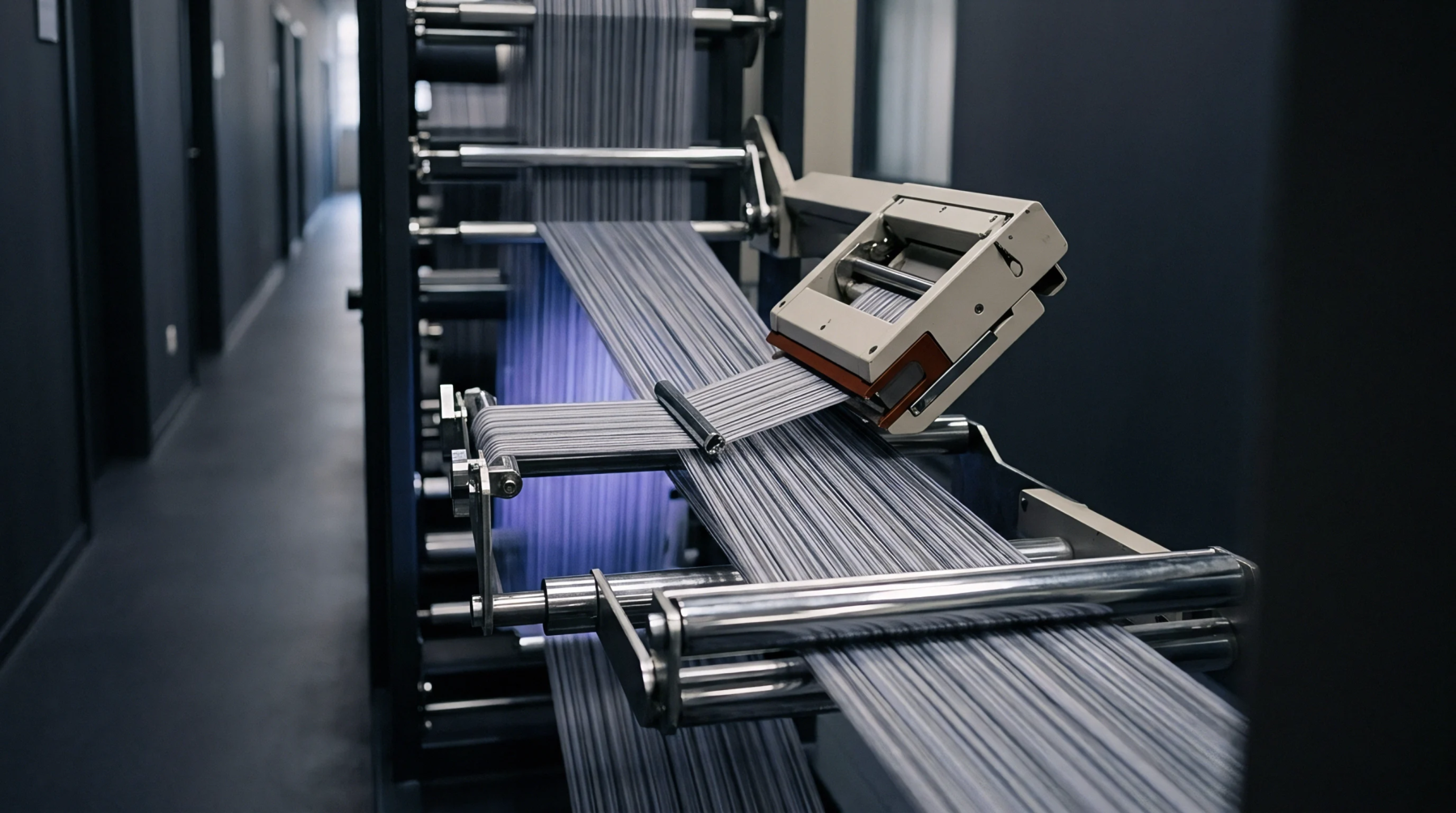
Preventing Filament Damage in Micro Denier Elastomeric Warp Knits
Preventing filament damage in micro denier elastomeric warp knits demands precise beam tension control, strict stenter thermal capping, and low-shear jet scouring.
Heat induced discoloration describes the chemical degradation of elastomeric fibres that results in a shift toward yellow hues when exposed to high temperatures during heat setting. This phenomenon is a common problem for mills processing blended fabrics containing polyurethane-based yarns. While spandex provides essential stretch and recovery, its molecular structure is sensitive to oxidation and thermal stress.
The term spandex thermal yellowing refers specifically to the change in the b value of the lab color space during the finishing stage. This aesthetic loss is particularly noticeable in white or pale pastel fabrics, where the yellow tint can make the garment look aged or dirty. Controlling this degradation is required for maintaining the quality of premium sportswear and intimate apparel.
Industrial finishing processes like tentering and heat setting require temperatures between one hundred and eighty and two hundred degrees Celsius to stabilize the fabric dimensions. During these cycles, the high heat can trigger a reaction between the spandex and the surrounding oxygen or atmospheric pollutants like nitrogen oxides. This exposure leads to the formation of yellow-coloured chromophores within the polymer chain.
The extent of the spandex thermal yellowing depends on the dwell time in the oven and the exact temperature of the fabric. If the heat is applied for too long, the fibre can also lose its elasticity, leading to a permanent change in the hand feel and performance of the textile. Finding the right balance between stability and colour preservation is a central challenge for finishing technicians.
Structural changes at the molecular level are the root cause of the visible colour shift seen after high-temperature processing. The heat breaks down the soft and hard segments of the spandex polymer, creating new chemical groups that absorb blue light and reflect yellow. This damage is often irreversible and cannot be removed by subsequent bleaching or washing.
To prevent spandex thermal yellowing, mills often use specialized heat stabilizers or antioxidants that are applied to the fabric before it enters the oven. These chemicals act as scavengers for free radicals and oxygen, protecting the polyurethane linkages from thermal attack. The choice of spandex brand also matters, as some manufacturers offer heat-resistant versions designed specifically for high-temperature finishing.
Quality control protocols involve measuring the yellowness index of the fabric before and after the heat setting process to ensure it stays within acceptable limits. If the spandex thermal yellowing is too severe, the fabric may be rejected by the customer or require a more intense whitening treatment. This not only increases the production cost but can also further damage the delicate elastomeric fibres.
In some cases, a blue-tinted optical brightener is used to mask the yellowing, but this is only a temporary solution and may not be effective for all shades. The best approach is to optimize the finishing parameters and use high-quality fibres and auxiliaries. Maintaining a clean and well-ventilated oven also helps to reduce the concentration of yellowing gases.
Successful management of this thermal sensitivity is necessary for producing high-quality stretch textiles. Spandex thermal yellowing remains the primary constraint in the thermal processing of elastomeric blends.
Preventing filament damage in micro denier elastomeric warp knits demands precise beam tension control, strict stenter thermal capping, and low-shear jet scouring.
Expertise is a utility, not a secret. sentiention™ publishes its working knowledge as open reference: intelligence layer covering the materials it sources, the markets it enters, and the reference that serves both.