Moisture Adjustment
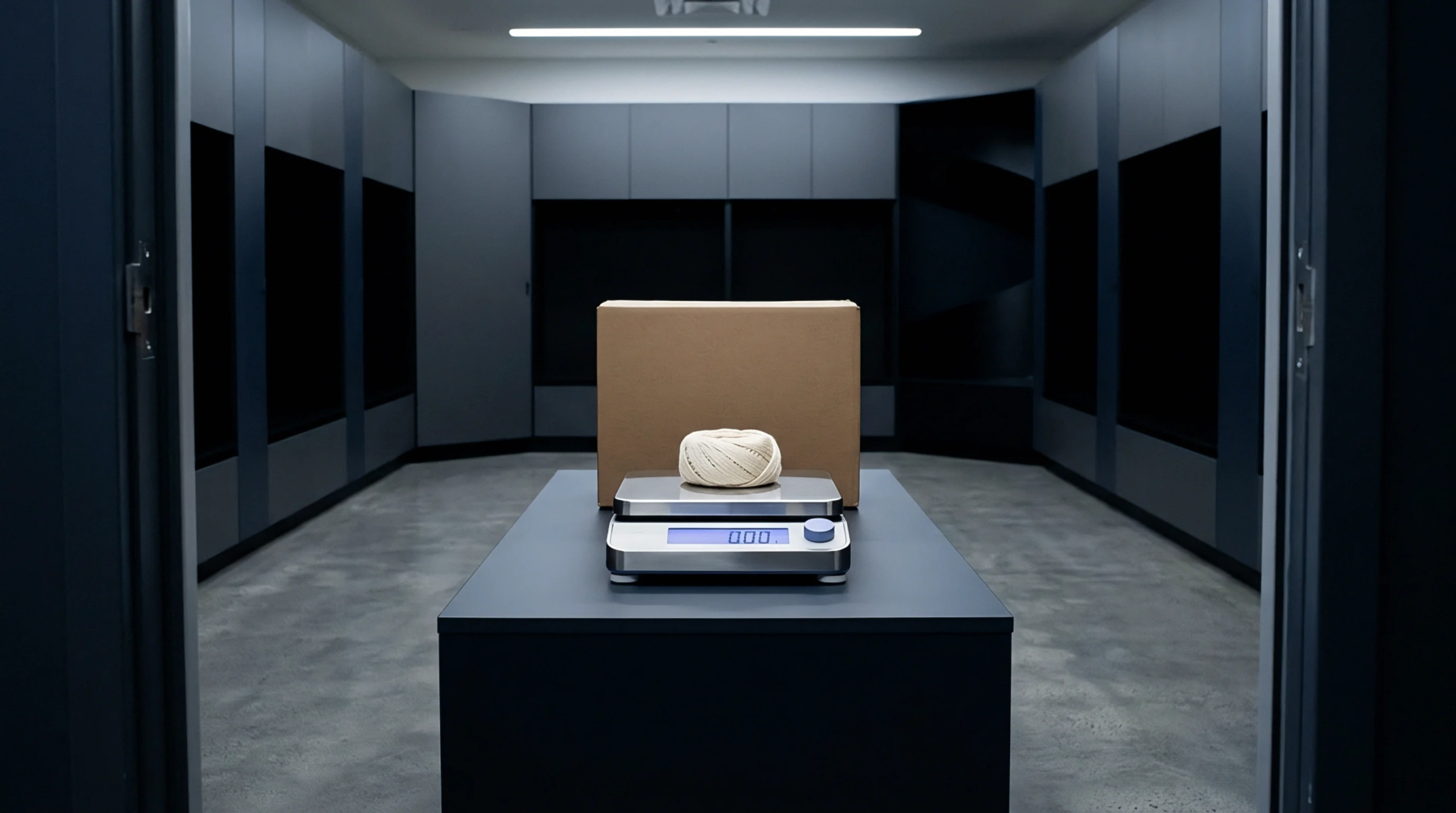
Weight variances occur when textile samples are exposed to standard atmospheric conditions to equilibrate their moisture levels before testing. This change, termed specimen conditioning loss, occurs when a fabric releases absorbed moisture or volatile finishing agents in a controlled testing room. Recording this mass change is necessary for precise quantitative chemical analysis.
Desorption Mechanism
Fibers like wool and cotton absorb moisture from the surrounding air, while synthetic fibers remain relatively dry. When warm, humid samples enter the testing laboratory, the moisture desorbs until the material reaches equilibrium with the room. This desorption leads to the specimen conditioning loss, which must be measured by weighing the sample at regular intervals until the mass becomes constant, preventing any discrepancy in the subsequent chemical extraction steps.
Testing Environment
Standard laboratory atmospheres are maintained at twenty degrees Celsius and sixty-five percent relative humidity to ensure consistency across tests. Samples must remain in this environment for at least twenty-four hours to allow the moisture content to stabilize fully. This conditioning ensures that weight-based tests, such as fiber blend analysis or tensile strength, yield reproducible results.
Process Impact
Failure to account for this change can skew the calculation of chemical extractables or fiber percentages in blended yarns. If the initial wet weight is used instead of the conditioned weight, the extraction percentage will appear artificially high. This error can lead to incorrect conclusions about the chemical safety or composition of the textile product.