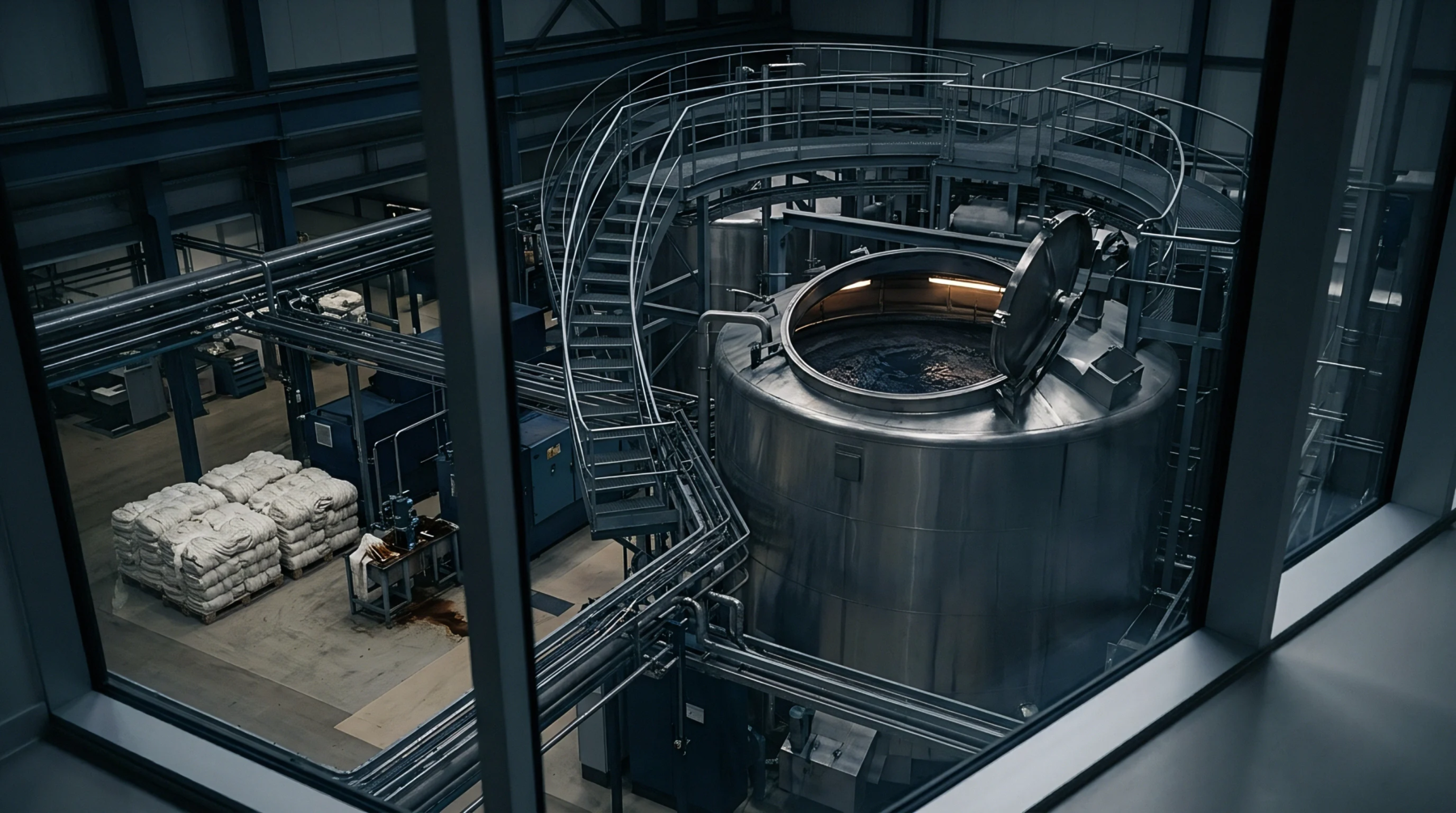
Extraction Prep
Preparation of raw or manufactured textile samples before chemical analysis ensures the removal of non-fibrous additives that would skew the gravimetric results. Through specimen pre-treatment, technicians dissolve oil, wax, starch, and synthetic finishes using organic solvents like light petroleum or ether. This step is a prerequisite for all quantitative fiber tests, as these non-fibrous substances can represent up to ten percent of a fabric’s commercial weight.
Extraction Method
Standard execution of this process utilizes a Soxhlet extraction apparatus to cycle fresh solvent through the textile specimen for several hours. This continuous flushing ensures that all surface lubricants and softeners are dissolved and removed from the fiber structure. For specimen pre-treatment of cotton or linen, a secondary boil in distilled water may be necessary to dissolve water-soluble starches and natural pectins.
The specimen is then rinsed thoroughly and dried before the main chemical dissolution test begins.
Lab Performance
Skipping this extraction phase causes the final fiber calculations to be systematically flawed. Sizing agents left on the yarn will either dissolve in the test solvent, inflating the calculated weight of the soluble fiber, or remain as residue. Consistent pre-treatment guarantees that the subsequent tests measure only the fiber polymers.
Material Boundary
Certain delicate finishes and coatings may require specialized solvents that do not damage the underlying polymer structure. If the pre-treatment solvent is too harsh, it can cause premature degradation or loss of elastomeric or acetate fibers. Conversely, insufficient extraction leaves residues that act as barriers, slowing the penetration of the primary dissolution solvents.
Selecting the correct solvent for the pre-treatment phase is therefore essential for the safety of the fibers.