Chemical Application
Surface active agents applied to synthetic filaments regulate frictional resistance during high speed manufacturing processes. Spin finish lubricant modifies the coefficient of friction to prevent static electricity build up and filament breakage. Correct application levels allow for smooth unwinding from supply packages and prevent thermal damage during drawing operations.
Surface Interaction
Molecular coatings establish a protective barrier between polymer fibres and machine contact points. These compounds distribute heat evenly across the fibre bundles to prevent localized fusion during high tension mechanical work. Excess film thickness increases yarn stickiness and hinders subsequent processing steps.
Technical Specification
Compositional stability remains a primary requirement for the chemical formulations used in fibre extrusion. Synthetic oils and emulsifiers provide the necessary lubrication and antistatic properties to ensure consistent production output. Consistency in the bath concentration prevents variations in the physical properties of the processed yarn.
Quality Control
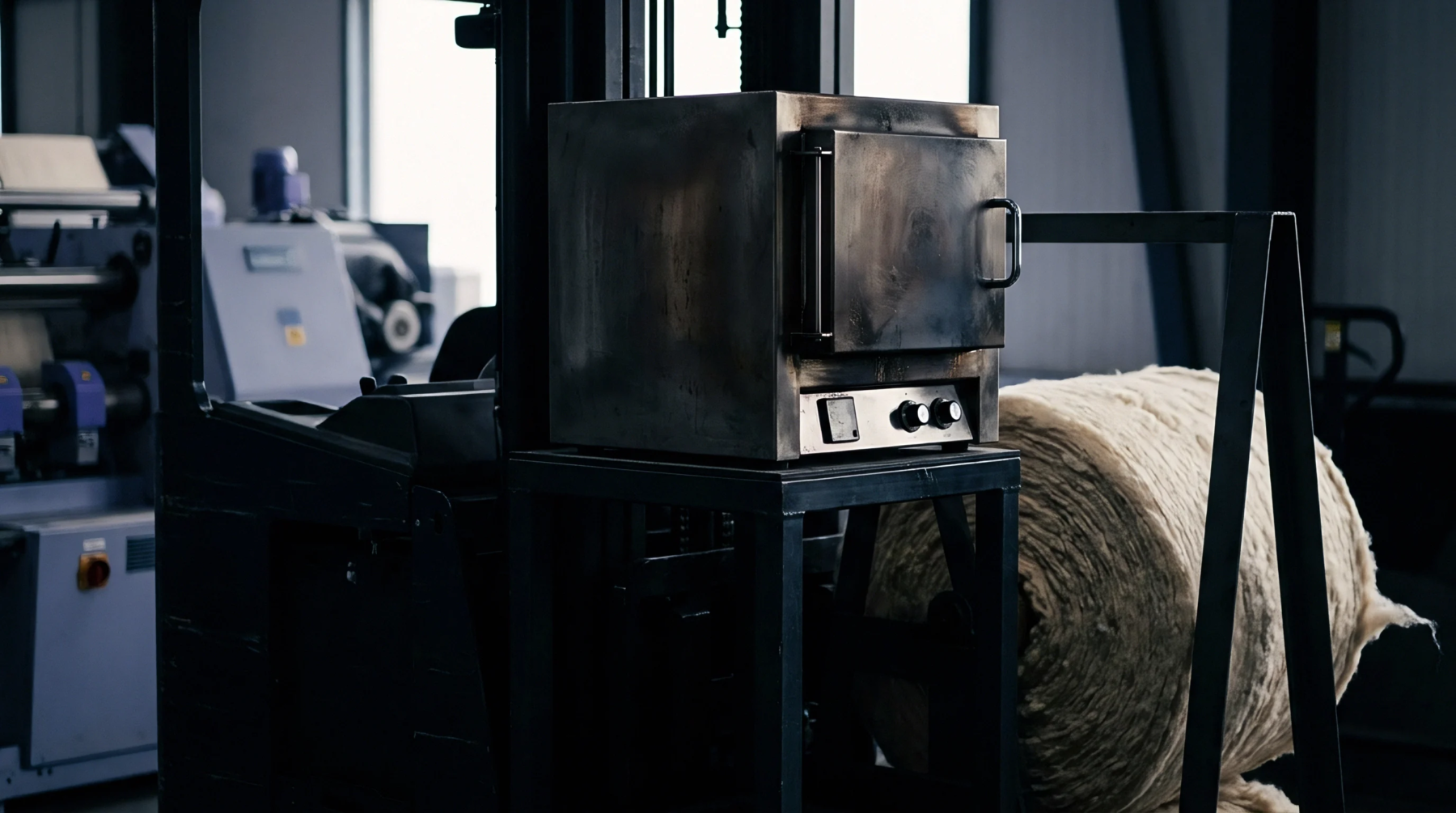
Gravimetric analysis of extracted samples quantifies the amount of finish present on the fibre surface after the drying cycle. Mills monitor this weight percentage to verify that the lubrication levels meet the specified requirements for knitting or weaving applications. Insufficient finish increases the frequency of yarn snap while excessive deposits foul the internal guides of textile machinery.