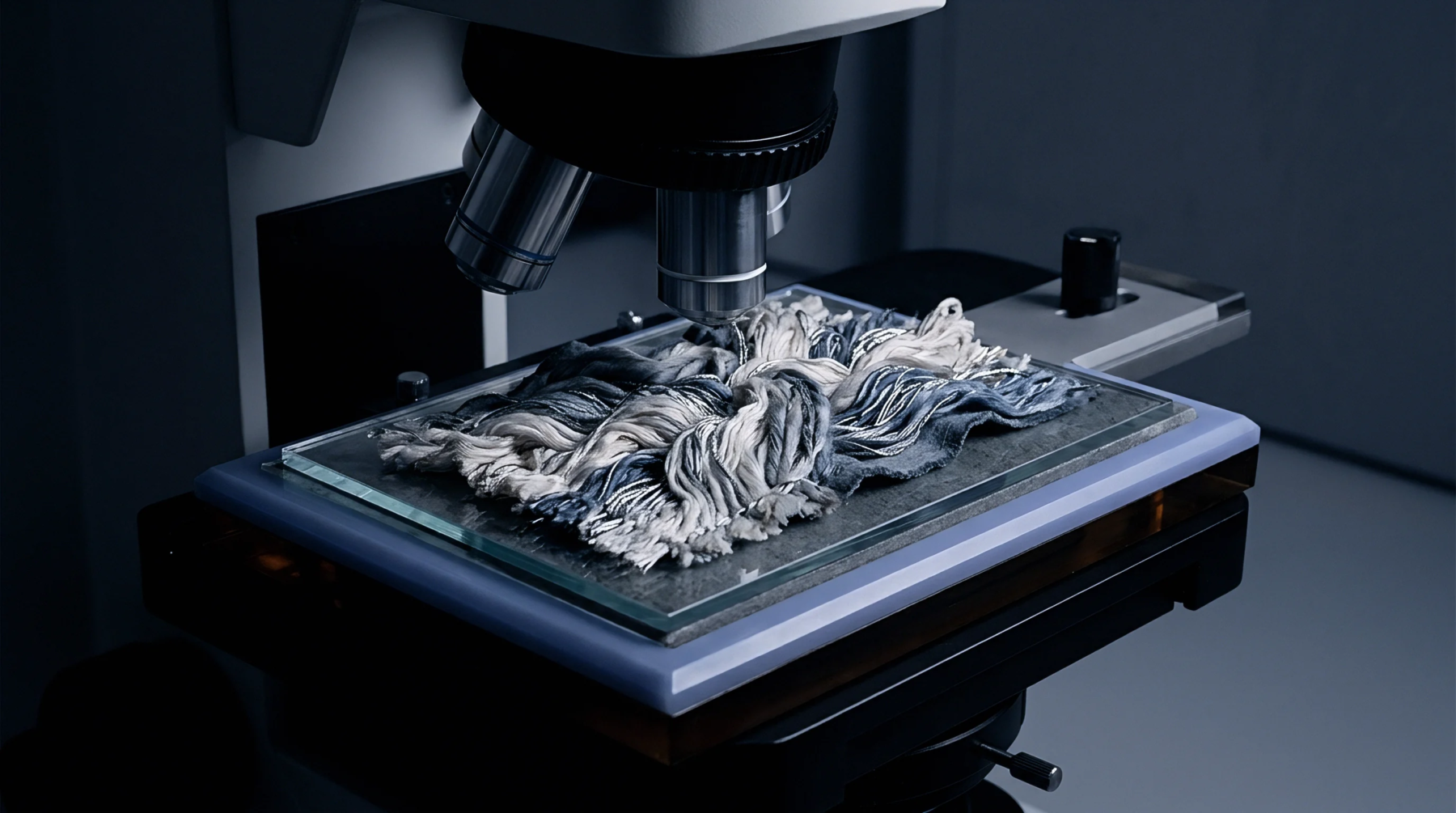
Calibration Technique
Comparison against a known internal reference provides the most accurate calculation of analyte concentration in a complex sample. The standard additions method compensates for the matrix effect where other chemicals in a fabric extract interfere with the detector signal. The approach ensures that the measurement of a restricted substance is accurate despite the presence of dyes or finishes.
Analytical accuracy is maintained even when the exact composition of the substrate is unknown.
Analytical Procedure
Multiple aliquots of the sample receive increasing amounts of the target compound before testing. Through the use of the standard additions method the chemist can plot the response of the instrument against the added concentration. The intercept on the concentration axis reveals the amount originally present in the textile.
Matrix Compensation
Interference from the background chemistry of the material is nulled by the use of internal calibration. Added volumes of the known standard experience the same suppression or enhancement as the original sample. Calculation of the slope of the addition curve corrects for these matrix effects automatically.
Forensic Reliability
Results obtained this way are highly defensible in legal or regulatory disputes. The process eliminates the uncertainty caused by the unknown components of the textile matrix. Laboratories rely on this technique when the safety of the consumer is the primary concern.