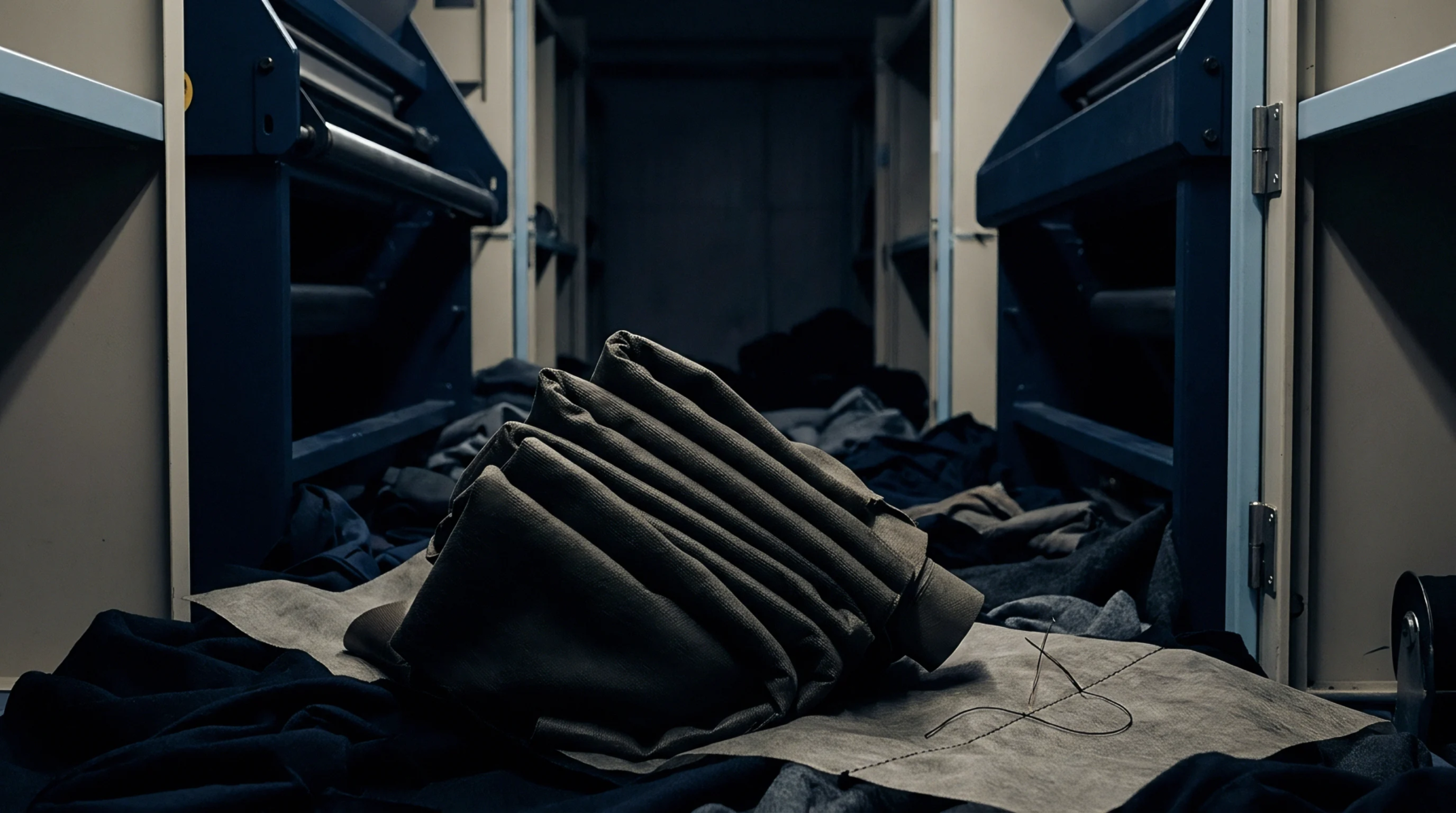
Thermal Conditioning Fixture
Perforated metal tables distribute low-pressure saturated steam evenly through cut garment panels, knitwear lengths, or raw textured skeins to relieve internal processing strains. In garment manufacturing and sample quality rooms, a steam relaxation board provides an unconstrained thermal atmosphere that allows knitted yarns to complete dimensional shrinkage before cutting or linking. Perforations across the flat bed inject steam directly upward into the suspended textile components, resetting molecular orientation created during spinning and knitting.
The mechanism allows fibers to swell, crimp, and relax into stable configurations without mechanical press plates crushing surface textures. It does not apply to dry-heat continuous stenter frames, high-pressure autoclave vulcanizers, or chemical decating cylinders.
Mechanical Operation
The unit consists of a stainless-steel or aluminum tabletop bored with micro-perforations, coupled to an internal condensate trap and an industrial boiler line. When operators press foot pedals or trip automated sensor timers, dry steam rushes into the lower distribution chamber and rises evenly across the perforated deck. Operators lay cut knit parts or assembled garment pieces loosely on the permeable surface cover without stretching or pulling edges.
Steam penetrates upward through yarn interstices for five to twenty seconds, breaking temporary hydrogen bonds and relaxing internal drawing strains. Vacuum exhaust systems then kick on instantly beneath the bed, drawing ambient air downward through the piece to chill fiber structures and stabilize relaxed dimensions.
Shrinkage Management
Inadequate steam relaxation produces garments that shrink unevenly during downstream retail washing, skewing seams and causing collar distortion. Knitted panels made from textured filaments or wool blends pull inward rapidly, reaching equilibrium dimensions that match technical pattern specifications. Unrelaxed panels cut straight off knitting machines show unpredictable progressive shrinkage during commercial pressing and sewing cycles.
Balanced steaming ensures panel left-to-right symmetry, eliminating edge curls and stabilizing rib trims prior to garment assembly.
Assembly Calibration
Pattern makers calculate scale allowances based directly on relaxation values recorded across the steam table during pre-production trials. Quality auditors check steaming times, steam supply pressures, and vacuum dwell periods using calibrated pressure transducers and digital timers. Surface temperatures are verified using infrared heat sensors across multiple deck quadrants to prevent cool-spot formation from accumulated condensate.
Garment dimensions must measure within agreed tolerance bands immediately following board vacuum cooling before pattern lots clear to cutting rooms.