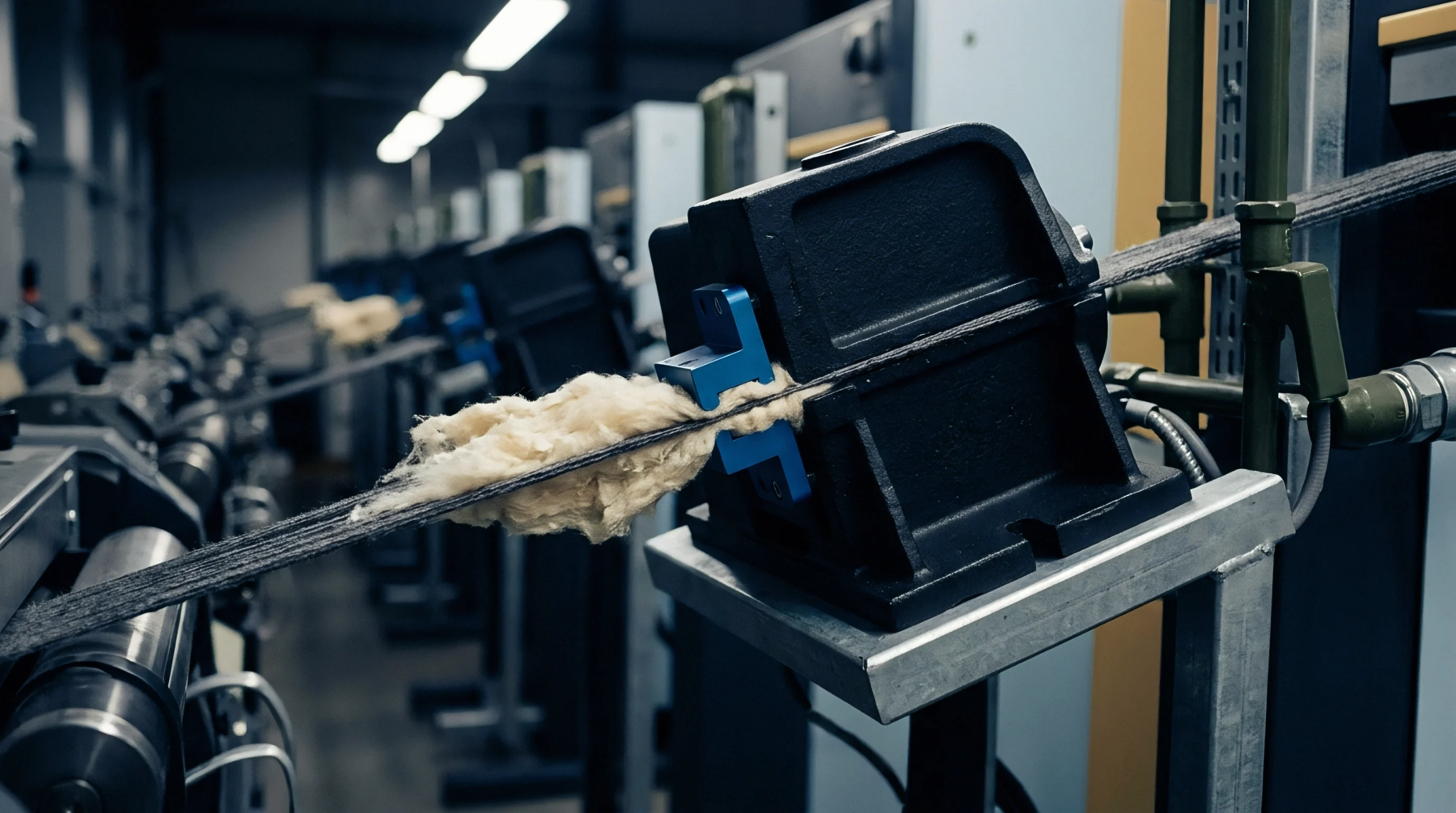
Fiber Splitting
External degradation is the creation of microscopic hairs when the main trunk of a filament breaks apart. Surface fibrillation usually occurs during the intensive rubbing of wet fabrics in a dyeing machine. While it can produce a soft feel, excessive growth of these tiny strands leads to a frosted or faded appearance in the finished garment.
Material Susceptibility
Certain fibers like lyocell are more prone to this behavior because of their highly crystalline internal structure. When surface fibrillation starts, these split ends trap loose dyes and alter how the fabric looks when viewed from different angles. Mills use specialized enzymes to trim these hairs away and restore a smooth finish.
Visual Impact
Low intensity rubbing generates short fibers that look like a light fuzz on the cloth. If surface fibrillation continues unchecked, these small parts tangle together to form pills that stay stuck to the surface. Controlling the agitation levels during processing is necessary to avoid these common defects.
Verification Method
Inspectors use high power lenses to look for signs of splitting after multiple wash cycles. Good resistance to surface fibrillation is a major quality goal for high performance apparel. Fabrics that maintain a clean look after repeat wear are more valuable in the commercial market.