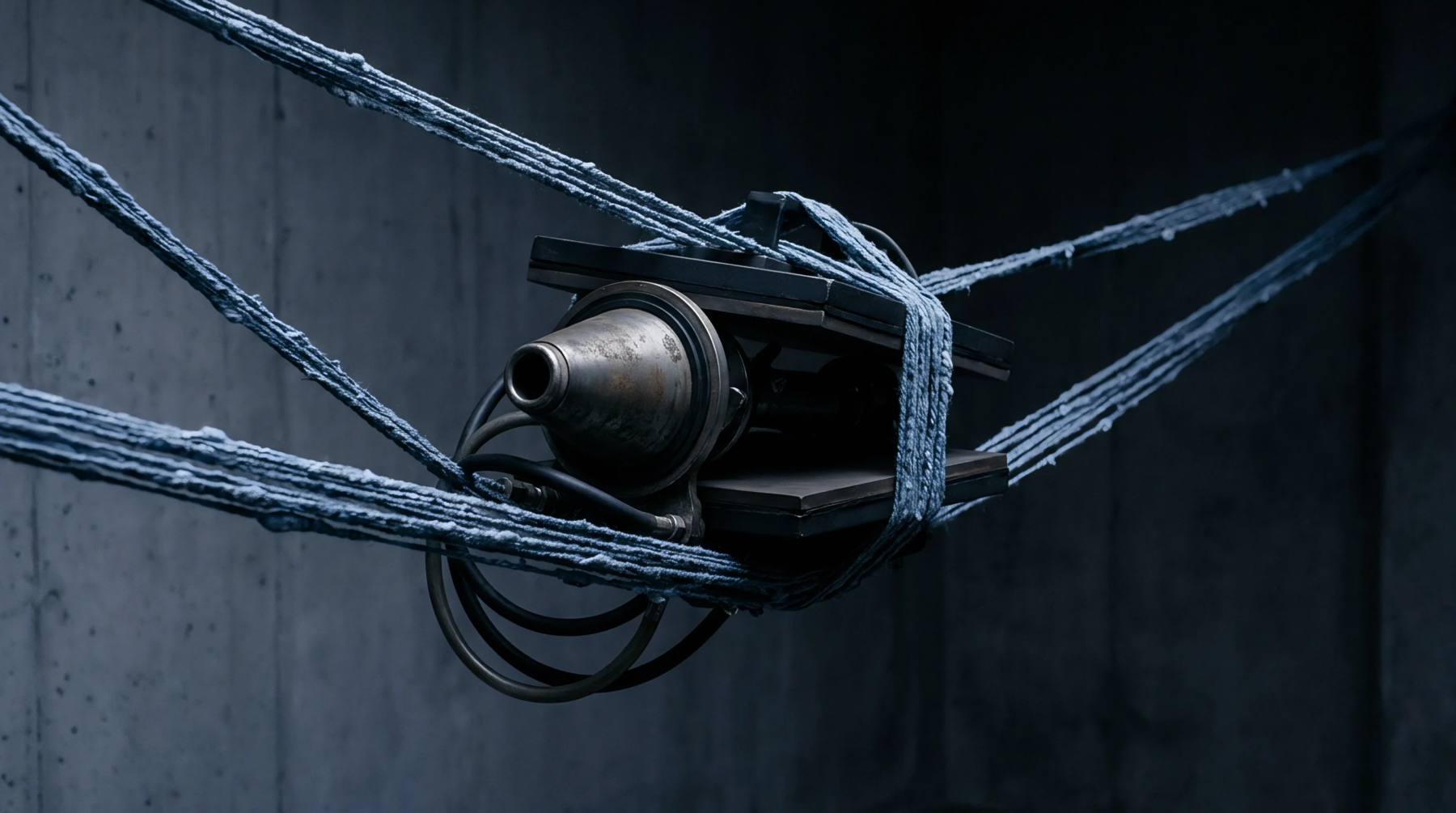
Pneumatic Intermingling
Air-jet texturizing systems use high-velocity compressed air to entangle or twist synthetic yarns during drawing. Adjusting the swirl nozzle pressure determines the velocity and turbulence of the air stream that strikes the filaments inside the texturizing chamber. This air flow forces the filaments to form loops and crimps, which changes the volume and texture of the yarn.
Proper pressure settings are critical to achieving consistent yarn bulk.
Yarn Structural
The structural integrity of air-jet textured yarn depends on the density of the filament entanglements. Higher swirl nozzle pressure increases the frequency and strength of the intermingling points, which prevents filament separation during downstream processing. If the pressure is too low, the entanglements will be weak and easily pull apart, which leads to knitting defects or yarn breaks on the loom.
Conversely, excessive pressure can over-consolidate the yarn, which makes it stiff and brittle.
Energy Output
Compressed air generation is a major operational expense for spinning mills. Optimizing the pressure levels minimizes energy consumption while maintaining yarn quality standards.
Visual Checking
Industrial inspection confirms intermingling quality through automated optical measurement systems. These systems track the number of knot points per meter and warn the operator of any pressure drops. Maintaining consistent air delivery protects the finished fabric from appearance defects.