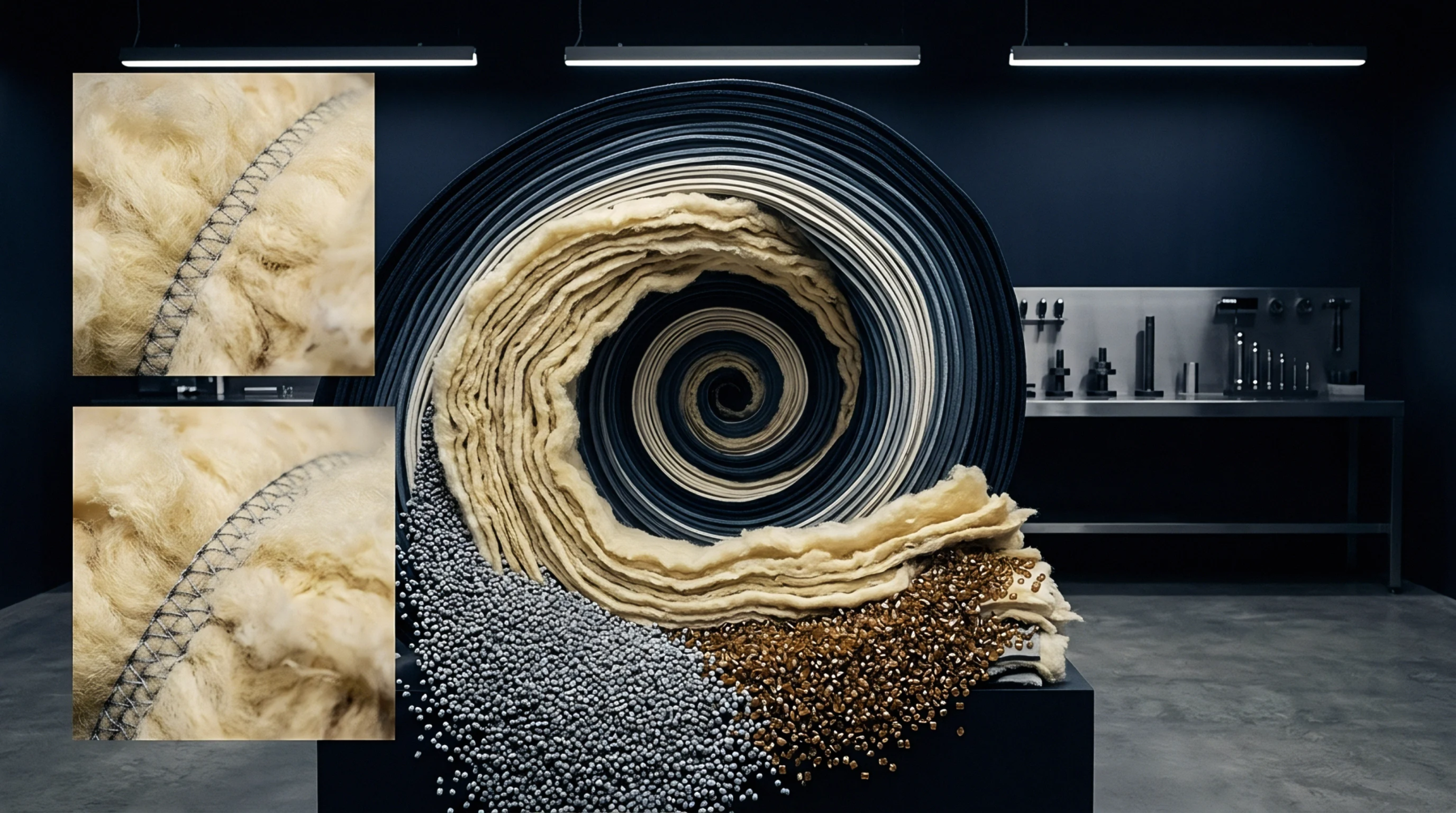
Recycling Separation
Post-consumer waste processing requires the division of blended materials into their individual chemical constituents before re-spinning can occur. In the textile recycling facility, synthetic polymer separation isolates polyester from cotton or nylon to produce high-purity raw materials for new fibres. This process is essential for textile-to-textile recycling where blended fabrics cannot be processed together.
The separation terminates when the pure polymers are collected in their respective recovery vessels for purification.
Chemical Process
Solvent-based extraction represents the most common chemical approach for separating mixed plastic fibres. A specific solvent is used to dissolve the polyester while leaving the cotton untouched, or to dissolve the nylon at a different temperature. This chemical solution is then filtered to remove the solid cotton fibres.
This process requires closed-loop solvent recovery systems.
Physical Method
Density-based flotation in liquid media offers a simpler physical alternative for separating polymer flakes of different weights. The shredded textile waste is mixed with water of a specific density, causing the light polyolefins to float while the heavy polyester sinks to the bottom of the tank. This physical method is highly cost-effective.
Textile Circularity
Providing high-purity recycled polymers reduces the dependency of the apparel industry on fossil fuels and prevents textile waste from entering landfills. These recovered resins are used to produce high-quality yarns that meet the physical requirements of performance sportswear. This circular economy model is the ultimate goal of sustainable garment brands.