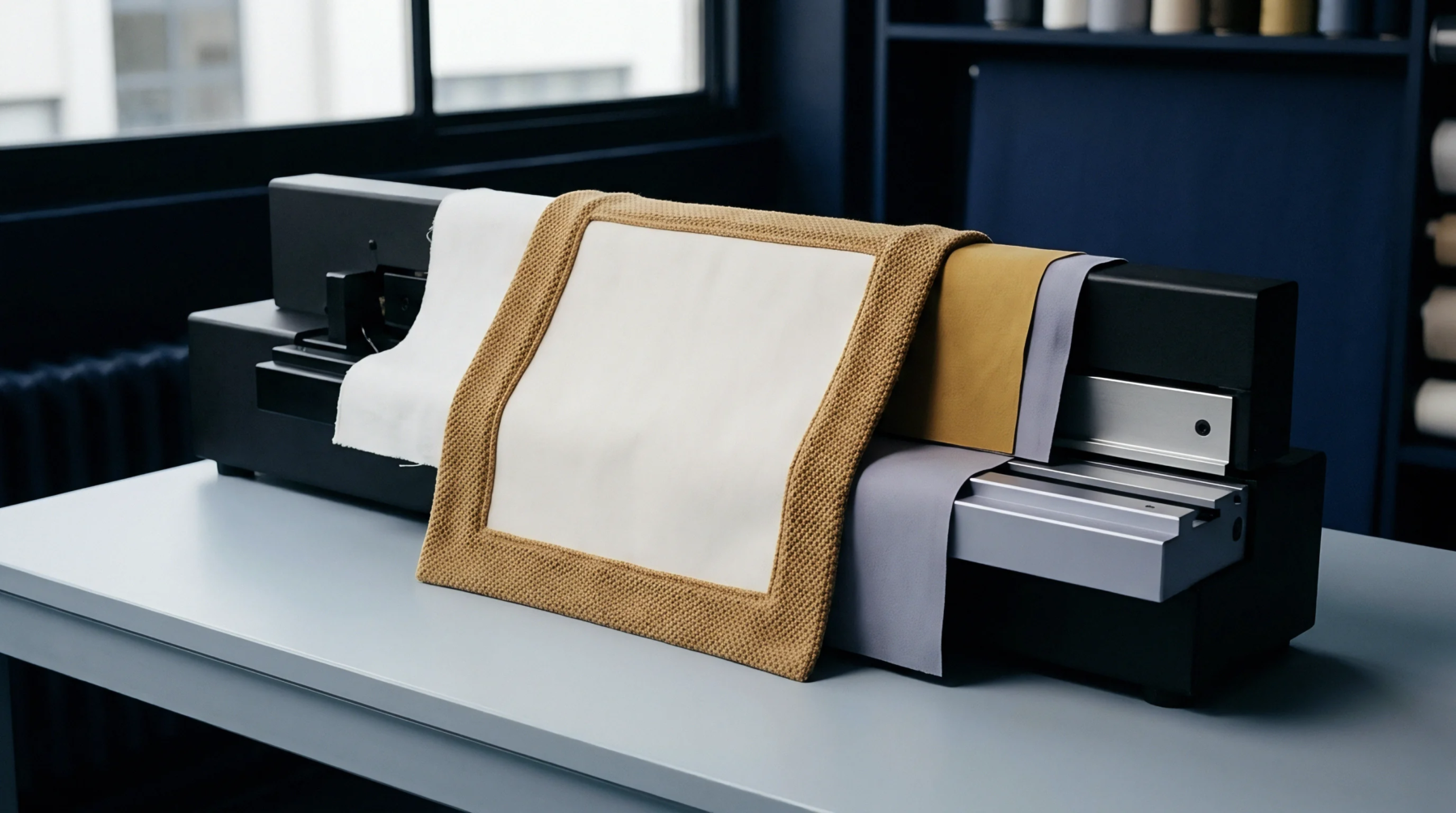
Separation Mechanism
Mechanical air cleaning units remove heavy non-lint impurities from aerated fiber streams during early blowroom opening operations. An industrial trash separator utilizes centrifugal force, pneumatic suction, gravity, and adjustable deflector blades to segregate heavy foreign particles from tufted cotton raw stock. Heavy objects like botanical seeds, stones, metallic debris, and dense leaf fragments fall out of high-velocity air currents into collection hoppers.
Meanwhile, light spinnable cotton fibers remain suspended in moving air currents and pass through grid openings into downstream ductwork.
Airflow Aeration
Pneumatic conveyers transport opened cotton tufts across curved chamber walls where sudden changes in airflow direction force dense impurities outward. Adjustable knives positioned along the flow path slice into the rotating fiber cloud, scraping off surface trash without cutting long fiber staples. Regulating suction pressure and knife clearance settings allows mill technicians to adjust waste extraction severity based on raw cotton trash grades.
Excessive suction forces usable fiber into trash bins, whereas insufficient airflow allows heavy stones to pass through and damage downstream carding wire clothing.
System Boundary
Machine operations treat bulk unformed tufted fibers within opening and cleaning lines, stopping before fiber parallelization occurs at carding machines. Equipment designs exclude fine dust filtration units and optical color sorters.
Waste Control
Effective separation reduces trash loading on carding cylinders, extending wire service life and lowering maintenance downtime. Extracted waste collects in automated waste compaction systems for gravimetric analysis and byproduct resale to non-woven insulation manufacturers.