Molecular Nature
Cyclic polyester oligomers form as chemical by-products during high-temperature melt polymerization and processing of polyethylene terephthalate resins. The primary cyclic trimeric compound tris ethylene terephthalate represents the most abundant oligomeric fraction inside polyester fibres, comprising up to one percent of total polymer weight. During high-temperature aqueous dyeing, this cyclic trimer migrates out of the fibre structure and crystallizes on substrate surfaces.
Processing Impact
Crystallized oligomers deposit inside dyeing machinery nozzles and onto running yarn surfaces during aqueous processing. High concentrations of tris ethylene terephthalate create white powdery residues that increase fibre friction and cause thread breaks in high-speed sewing processes. Deposited oligomer crystals impair yarn dyeability and cause spotty shade variations.
Mitigation Boundary
High-temperature alkaline reduction clears surface oligomer deposits, but thermal treatment cannot eliminate internal oligomer formation. When tris ethylene terephthalate levels exceed threshold limits, liquid dye bath dispersants become necessary to keep oligomers suspended during exhaust dyeing cycles. Cooling dye liquor below eighty degrees Celsius without adequate drainage precipitates oligomers back onto fabrics.
Verification Testing
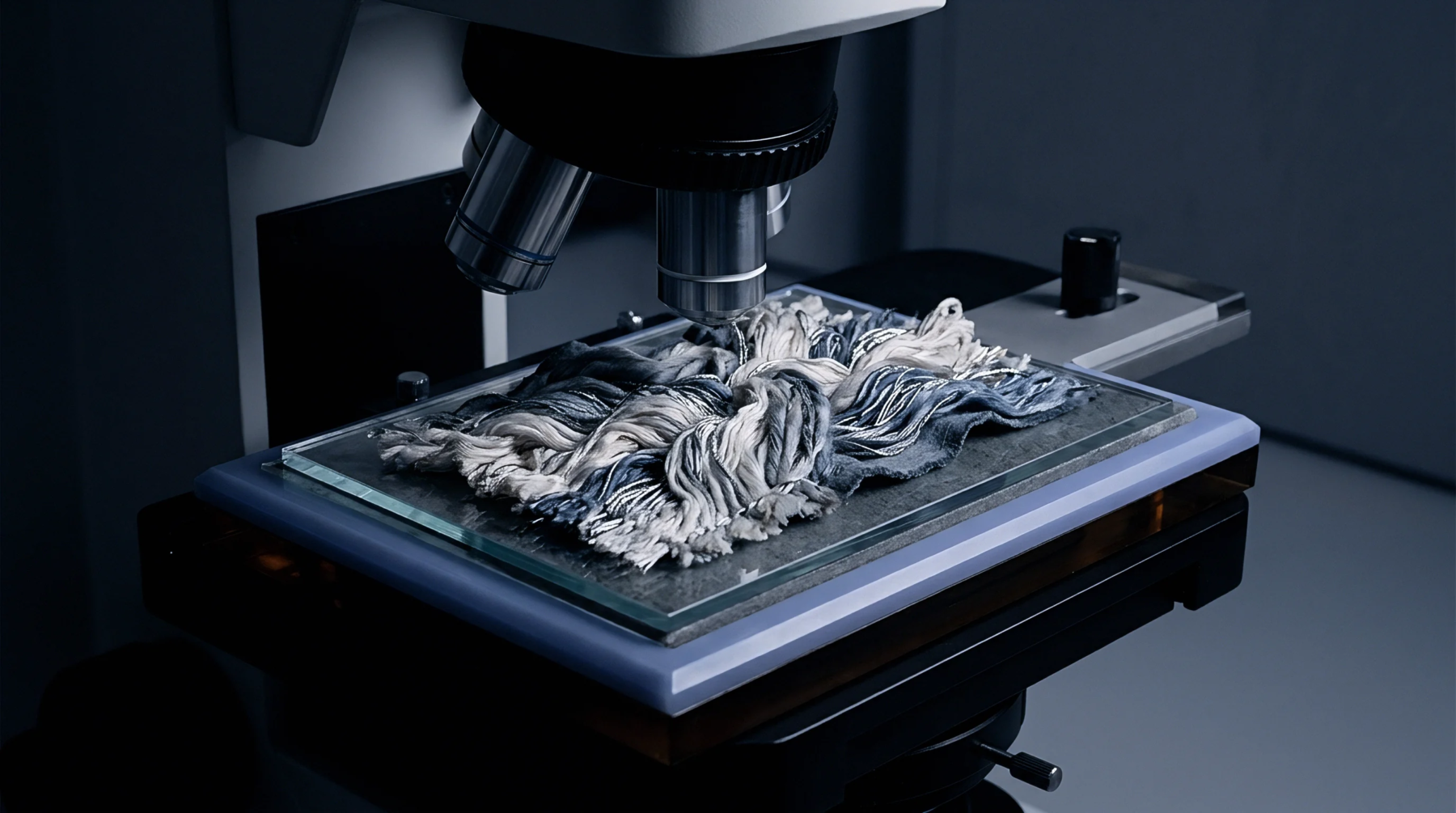
Analytical laboratories quantify cyclic trimer levels using high-performance liquid chromatography following solvent extraction from polyester yarn packages. Quality managers require low oligomer yarn grades for critical high-speed sewing thread manufacturing.