Regenerated Cellulose
Regenerated cellulose fibre produced from wood pulp through the viscose process combines the moisture absorption of cotton with a silk-like hand. In textile trading, viscose rayon staple represents the spun yarn feedstock used to create soft knitwear, linings, and blending yarns. This fibre is valued for its high moisture regain and draping properties.
Yarn Manufacturing
Yarn spinners utilize this staple fibre to produce breathable fabrics that are easy to dye with reactive or direct dyes. When purchasing viscose rayon staple, the buyer verifies that the fibre length and denier are uniform. Non-uniformity leads to neps, yarn hairiness, and uneven dyeing in the finished fabric.
Production Process
Production starts by dissolving wood pulp in sodium hydroxide and carbon disulfide to create a thick viscose solution. This solution is filtered and forced through fine spinnerets into an acid bath, which regenerates the cellulose into continuous filaments. The filaments are then stretched, cut to the desired staple length, washed, and dried.
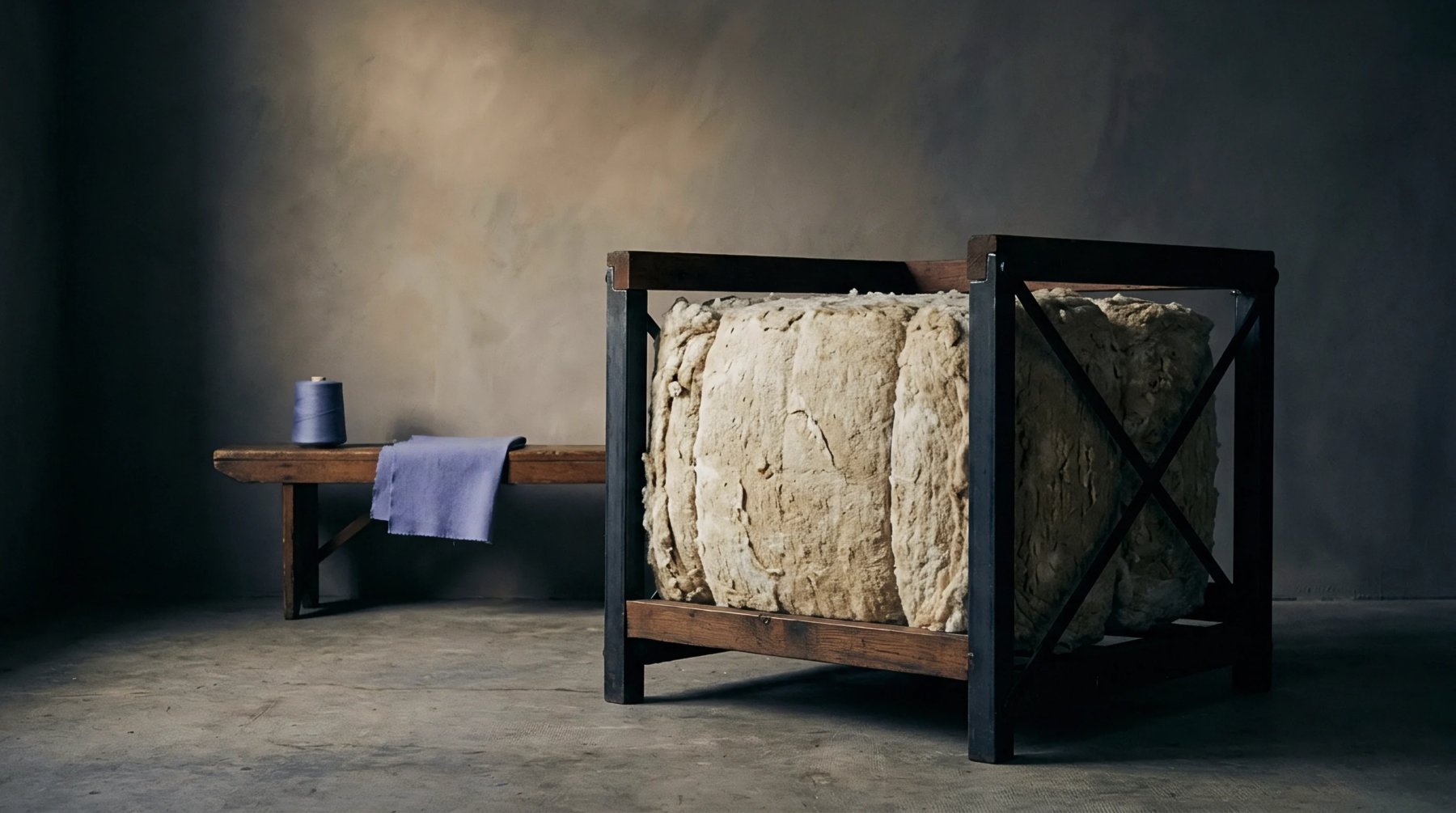
The final staple fibres are packed into bales and tested for moisture content. This moisture level must be managed because the fibre can absorb up to thirteen percent water under standard conditions.
Commercial Regain
Commercial transactions are calculated using the standard moisture regain of eleven percent to adjust the invoice weight. It prevents paying for excess weight caused by high environmental humidity. This fibre remains a sustainable alternative to synthetic polyester.