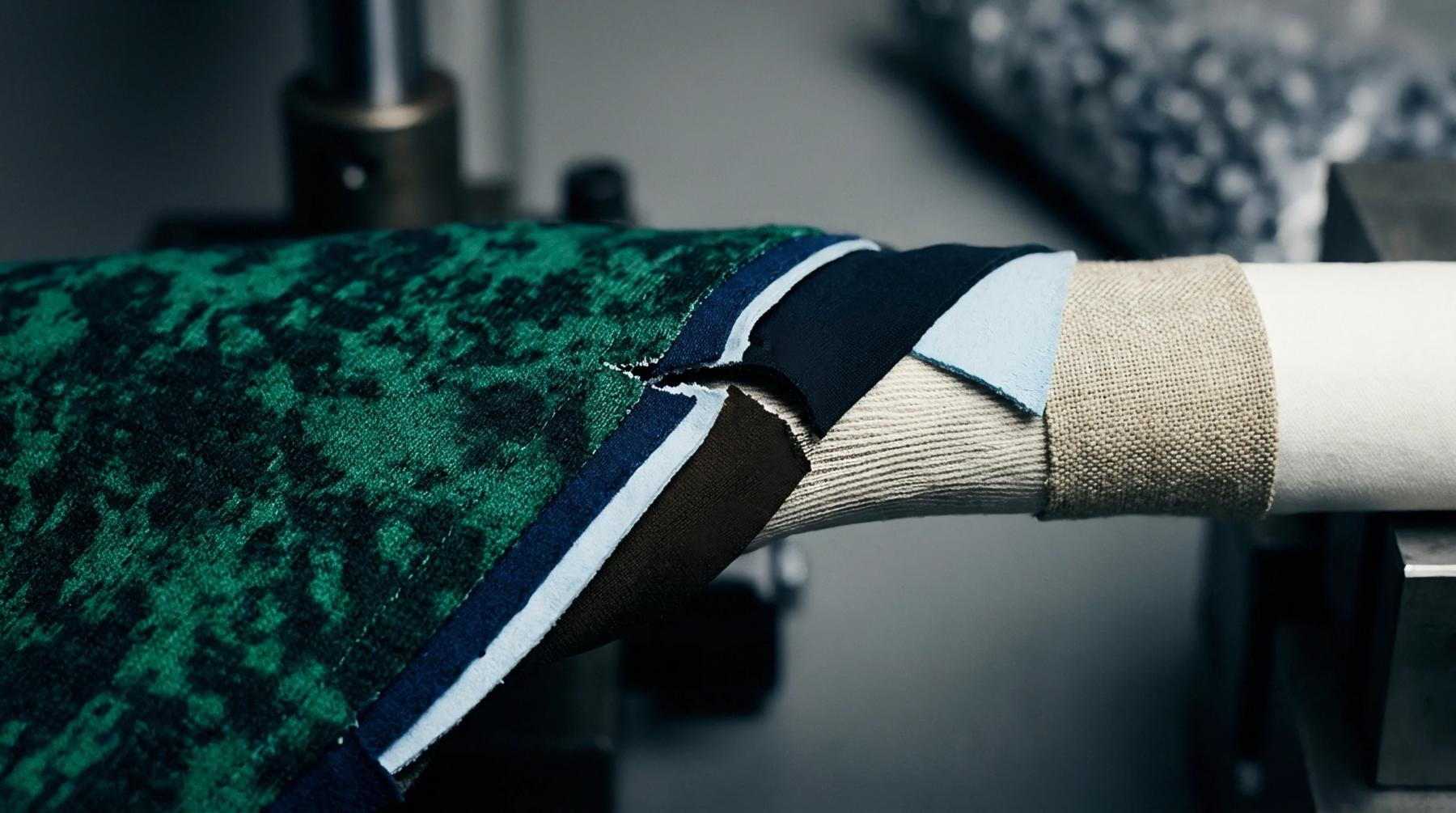
Phase Transition
Removal of moisture from a saturated substrate through heat and airflow marks the transition from liquid phase to vapour phase during the finishing of wet processed goods. This water pickup evaporation occurs primarily in the initial zones of a drying machine where the temperature of the fabric remains constant while the liquid is converted to gas. The rate of drying depends on the surface tension of the water and the permeability of the fabric structure.
Energy Expenditure
Evaporating the water absorbed during padding requires a high thermal input to overcome the latent heat of vaporization. Efficient water pickup evaporation reduces the fuel consumption of the stenter and allows for higher production speeds. Heat is transferred from the circulating air to the damp fabric until the critical moisture content is reached.
Residual Moisture
Achieving the desired final moisture level prevents the fabric from becoming brittle or developing static electricity. Monitoring the exhaust air humidity provides data on how much liquid is being removed per second.
Stenter Efficiency
Optimizing the airflow and temperature settings ensures that the drying process completes just as the fabric exits the oven. Precise control of the machine speed prevents over-drying and protects the hand feel of the textile.