Mass Variance
Acceptable deviations in the weight of a textile material define the limits within which a shipment is considered compliant with the buyer specifications. Establishing a clear weight tolerance ensures that fabric mills and garment manufacturers agree on the variation allowed in grams per square meter. This threshold is typically defined as a plus or minus percentage of the nominal fabric weight specified in the contract.
Process Variation
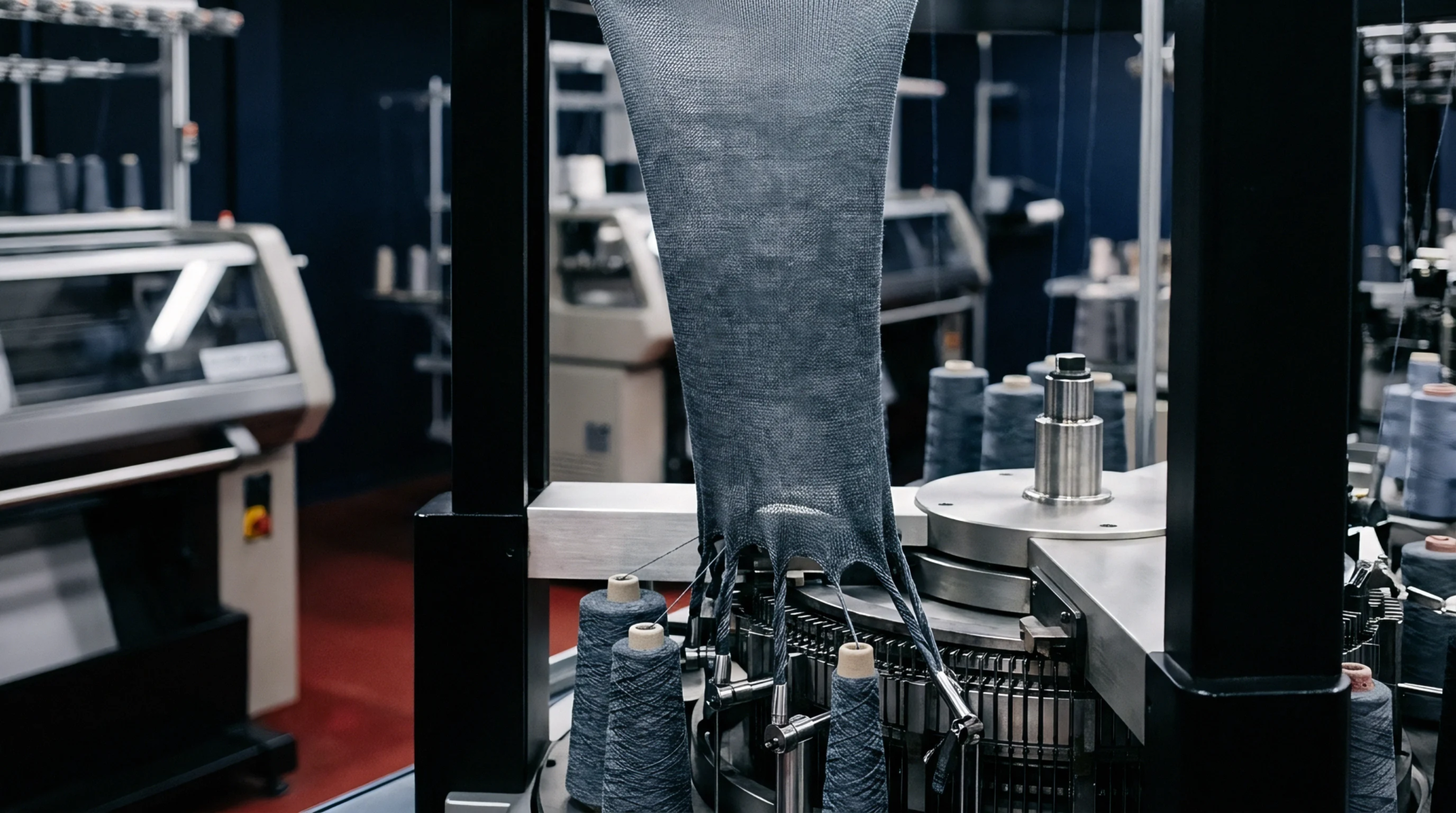
Knitting and finishing operations naturally introduce small shifts in fabric weight across different production lots. Factors such as yarn tension during knitting and processing speed during stentering modify the final fabric density. If the weight exceeds the tolerance limits, the fabric will either be too heavy for the garment design or too thin to meet performance standards.
Controlling these mechanical settings helps the mill keep the fabric weight within the agreed limits.
Humidity Boundary
Fiber moisture absorption causes the apparent weight of a fabric roll to fluctuate with ambient air humidity. Because of this behavior, tolerance measurements must be verified after conditioning the samples in a standard atmosphere. Fabric tested in humid climates without pre-conditioning can appear heavier than its actual dry weight.
Contract Enforcement
Brands use weight testing to audit shipments of fabric before cutting them for garment production. If a delivered roll of fleece falls below the lower limit of the tolerance, it is rejected due to insufficient warmth. This inspection prevents the manufacturing of substandard clothing.