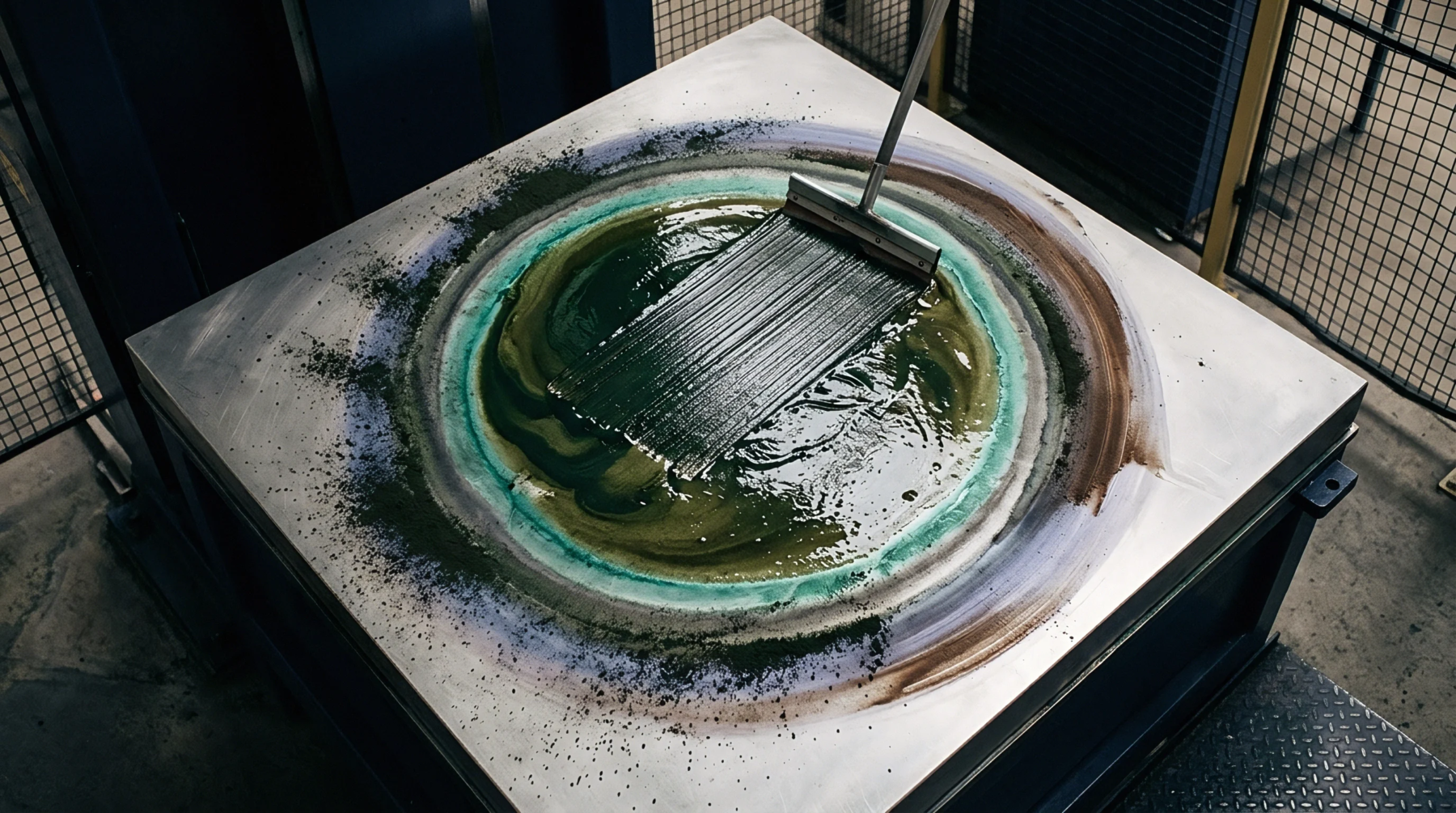
Lateral Contraction
A sudden or uncontrolled reduction in fabric width occurs when high longitudinal tension forces warp yarns straight, compelling weft yarns to buckle into extreme crimp profiles. The width collapse alters fabric mass per unit area and reduces usable roll width below commercial buyer specifications. Finishing mills observe this phenomenon during open-width continuous processing when machine tension exceeds lateral fabric resistance.
Monitoring web tension across processing rolls prevents excessive width loss.
Structural Mechanism
Excessive longitudinal pull straightens warp threads within the woven lattice, reducing warp crimp to near zero. This mechanical displacement transfers all structural crimp into the weft system, pulling fabric selvedges inward toward the center line. Experiencing width collapse increases fabric weight per square meter while severely reducing lateral stretch and flexibility.
Knitted fabrics exhibit even greater width sensitivity due to loop distortion under axial tension.
Process Consequence
Severe width loss renders fabric rolls narrower than cut-plan marker templates, leading to high cutting room waste. Dense yarn compaction along collapsed edges causes uneven dye liquor penetration and shade variation across the web width. Re-stretching collapsed fabric on stenter frames introduces high residual stresses that cause laundry instability.
Prevention Method
Maintaining low longitudinal tension and utilizing expander rolls prevents lateral fabric narrowing throughout wet finishing lines.