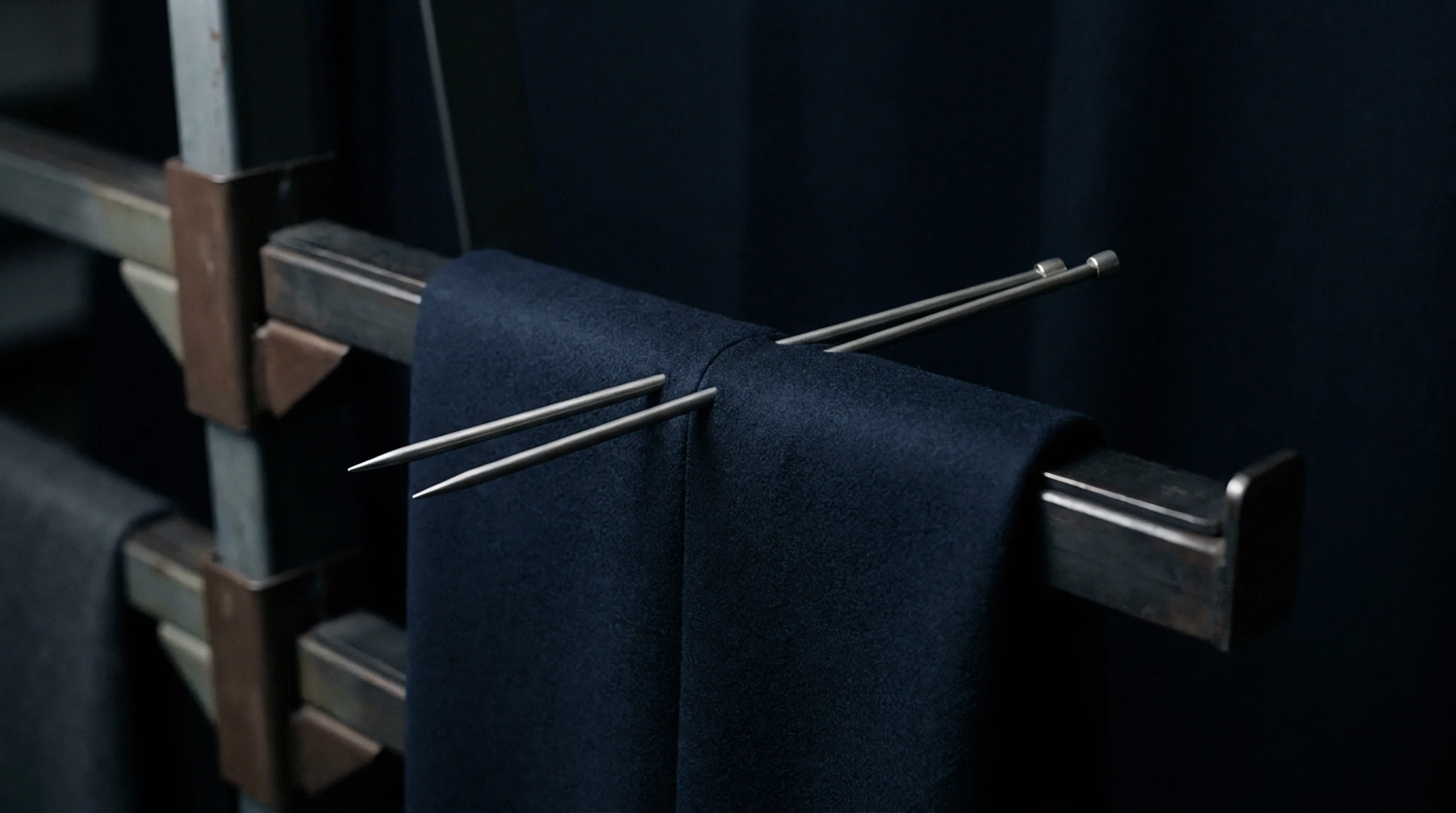
Composite Fabric
A composite fabric combining natural protein fibres and regenerated cellulose fibres balances warmth and drape. In apparel design, a wool viscose blend is used to create lightweight knitwear and tailored garments that offer the breathability of wool and the softness of viscose. This combination reduces the raw material cost compared to pure wool fabrics.
The blend is highly versatile for year-round apparel.
Dyeing Behavior
The two fibre types have different chemical structures, requiring specific dye formulations to achieve a uniform color. Reactive dyes or direct dyes are used for the viscose portion, while acid dyes or metal-complex dyes are applied to the wool. Proper selection of the dyeing method prevents shade differences between the two fibres in the wool viscose blend.
Multi-stage dyeing processes are common for these fabrics to ensure excellent colorfastness.
Mechanical Properties
The addition of viscose improves the drape and moisture absorption of the fabric, while the wool provides resilience and wrinkle recovery. This blend is less prone to felting during washing than pure wool garments. However, the presence of viscose reduces the wet strength of the fabric, which requires gentle laundering cycles.
Sourcing teams specify the blend ratio to balance durability and cost.
Moisture Management
Both fibres are highly hydrophilic, making the blend comfortable to wear in humid conditions. The fabric absorbs perspiration from the skin and releases it slowly into the atmosphere.