Tenacity Threshold
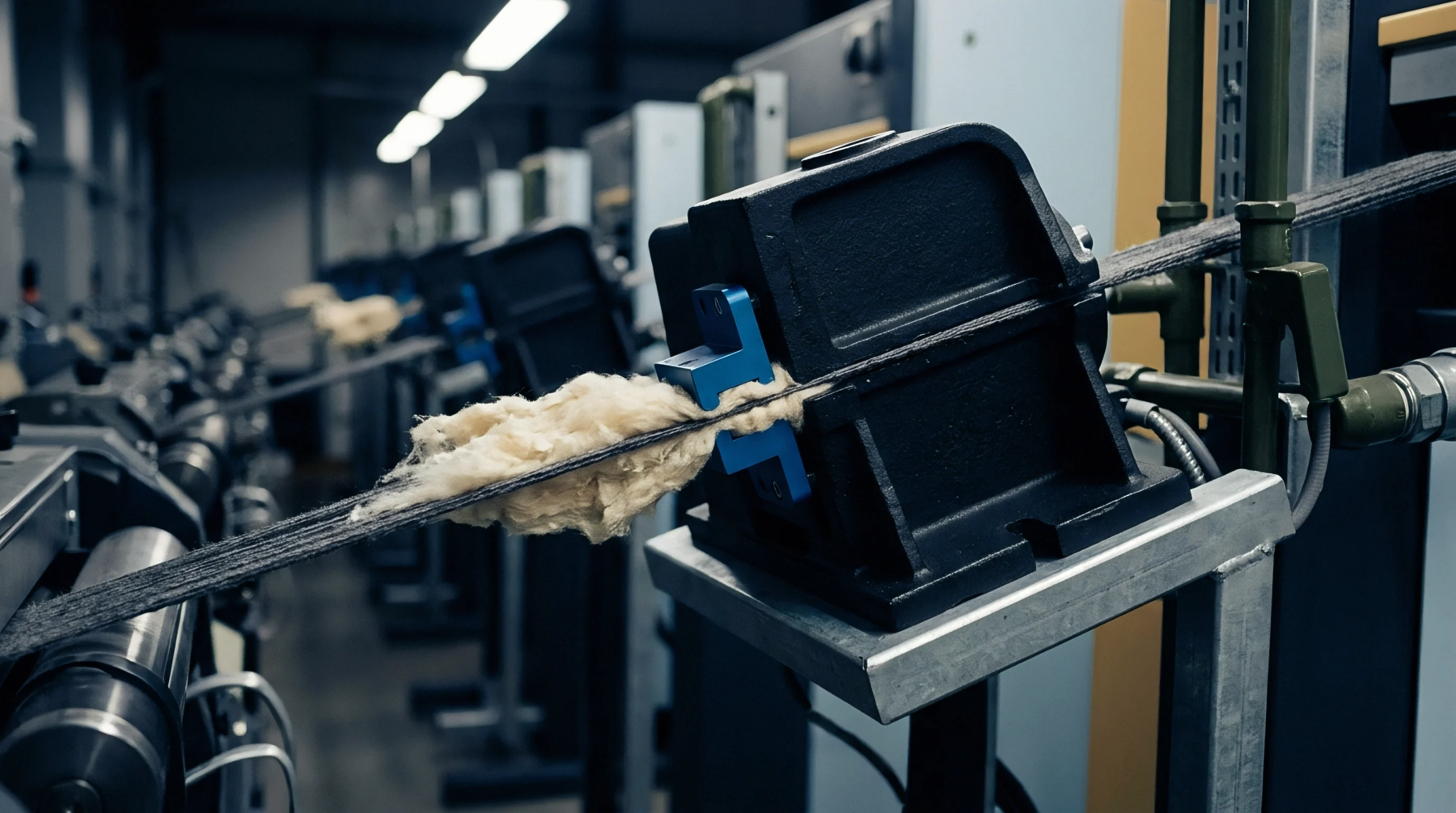
Breaking force divided by linear density serves as the precise engineering formula for yarn tenacity cn/tex, a metric executed on standard tensile testers in accredited textile laboratories before yarn ships to weaving mills. Commercial contracts specify minimum force requirements because downstream looms operate under high cyclical tension during shedding and beat up operations. Quality control technicians clamp conditioned samples into pneumatic grips and pull them apart at a constant rate of extension until rupture occurs.
Force values registered in centinewtons yield specific breaking strength when divided by linear density expressed in tex units.
Mill Verification
Procurement managers establish strict tolerance windows for tenacity figures before committing to large volume yarn purchases from spinning mills. Lower than expected breaking resistance causes frequent warp breakage on high speed projectile weaving machines, which directly reduces overall fabric output and increases machine downtime. Laboratory reports accompany each commercial delivery to verify that spinning parameters and raw material grades match agreed specifications.
Buyers reject batches failing to reach baseline centinewton per tex thresholds because inadequate physical strength compromises downstream processing efficiency.
Testing Protocol
Standardized atmospheric conditions dictate every measurement procedure because moisture absorption significantly alters the physical properties of natural and synthetic filaments alike. Technicians condition spools in designated temperature and humidity chambers for twenty four hours prior to mounting specimens on automated dynamometers. Clamp slip introduces severe errors into breaking load data, so pneumatic jaws feature rubber coated surfaces that hold high modulus filaments securely without crushing internal structures.
Elongation percentages recorded alongside breaking force provide complete stress strain curves necessary for evaluating overall yarn toughness.
Production Boundary
Filament orientation achieved during extrusion and drawing determines the maximum achievable tenacity values within commercial spinning operations. Excessively high mechanical stretch during manufacturing increases breaking strength but frequently reduces ultimate elongation, rendering the resulting yarn too brittle for complex knitting applications. Subsequent wet processing treatments such as scouring and dyeing exert minimal influence on core tenacity provided chemical exposure times remain within safe industrial limits.
Finished fabric performance ultimately depends upon maintaining consistent yarn tenacity cn/tex throughout entire production runs to prevent uneven dyeing uptake and structural weakness in finished garments.