Quantifying Hydrolytic Cellulose Degradation from Core Acid Retention in Dense Yarns
Core acid retention in dense yarns degrades cellulose DP during thermal drying, reducing tensile strength unless verified by core maceration viscometry.


Traps
High-twist compact yarn structures establish dense internal capillary networks that resist fluid exchange during continuous wet processing. When dense yarns travel through acid desizing, persulfate bleaching, or resin baths, hydraulic pressure and capillary suction force aqueous hydrogen ions deep into the bundle core. Subsequent washing stages rely primarily on convective liquor movement across the fabric face.
That convective flow stops at the yarn sheath, leaving chemical transfer within the interior bundle dependent on molecular diffusion through narrow, liquid-filled spaces between tightly packed cotton fibers.
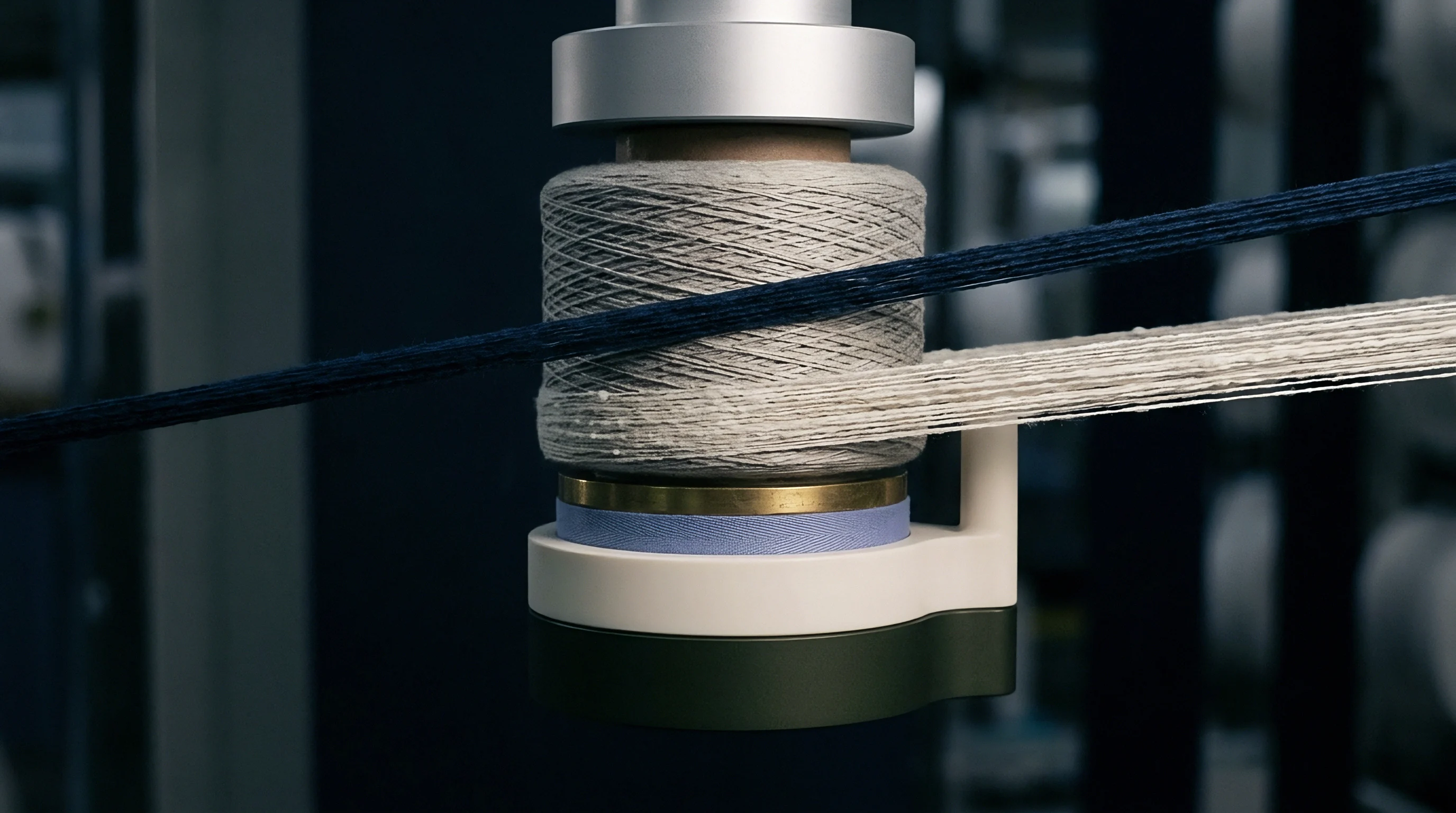
Yarn Microstructure and Liquid Migration
Combed cotton ring-spun yarns with twist multipliers above four point zero frequently reach packing fractions of zero point seven five. At that density, the pores between individual fibers narrow to between one point five and three point zero micrometers, sharply increasing diffusive drag.
During continuous wet processing, outer fibers absorb kinetic energy from the wash liquor and generate a stagnant boundary layer around the yarn sheath, leaving core liquor in static equilibrium. Typical wash-box dwell times of ten to fifteen seconds clear surface-bound residues effectively, but leave the chemical concentration inside the core virtually unchanged.
| Yarn Construction | Packing Fraction | Twist Multiplier | Core Pore Diameter (microns) | Core Wash-Off Efficiency (%) |
|---|---|---|---|---|
| Open-End Ne 30/1 | 0.58 | 3.6 | 5.2 | 91.4 |
| Ring Spun Ne 40/1 | 0.65 | 3.8 | 3.8 | 82.0 |
| Compact Ring Spun Ne 60/1 | 0.72 | 4.0 | 2.4 | 64.5 |
| Mercerized Compact Ne 80/2 | 0.78 | 4.4 | 1.4 | 41.2 |
| Data reflects continuous counter-current washing at 40 meters per minute, 60 degrees Celsius, 15-second dwell time per box. | ||||
Yarn cores retain concentrated acid species whenever finishing line speed exceeds the diffusion velocity of hydronium ions through tight inter-fiber voids.
The geometric arrangement of fibers inside high-twist bundles establishes structural barriers to fluid transport during wet processing.
- Capillary Locking Inter-fiber channels under three microns generate negative capillary pressure, holding aqueous acid liquor against boundary layer extraction.
- Sheath Compression Outer fiber tension during wet drafting compresses the inner core, reducing effective pore diameter by up to forty percent.
- Viscous Drag High liquor concentration elevates local viscosity within interior spaces, impeding bulk fluid exchange across the yarn radius.
Surface pH readings of six point five are routinely taken as proof of thorough chemical extraction across the full yarn bundle, even while internal acid persists.
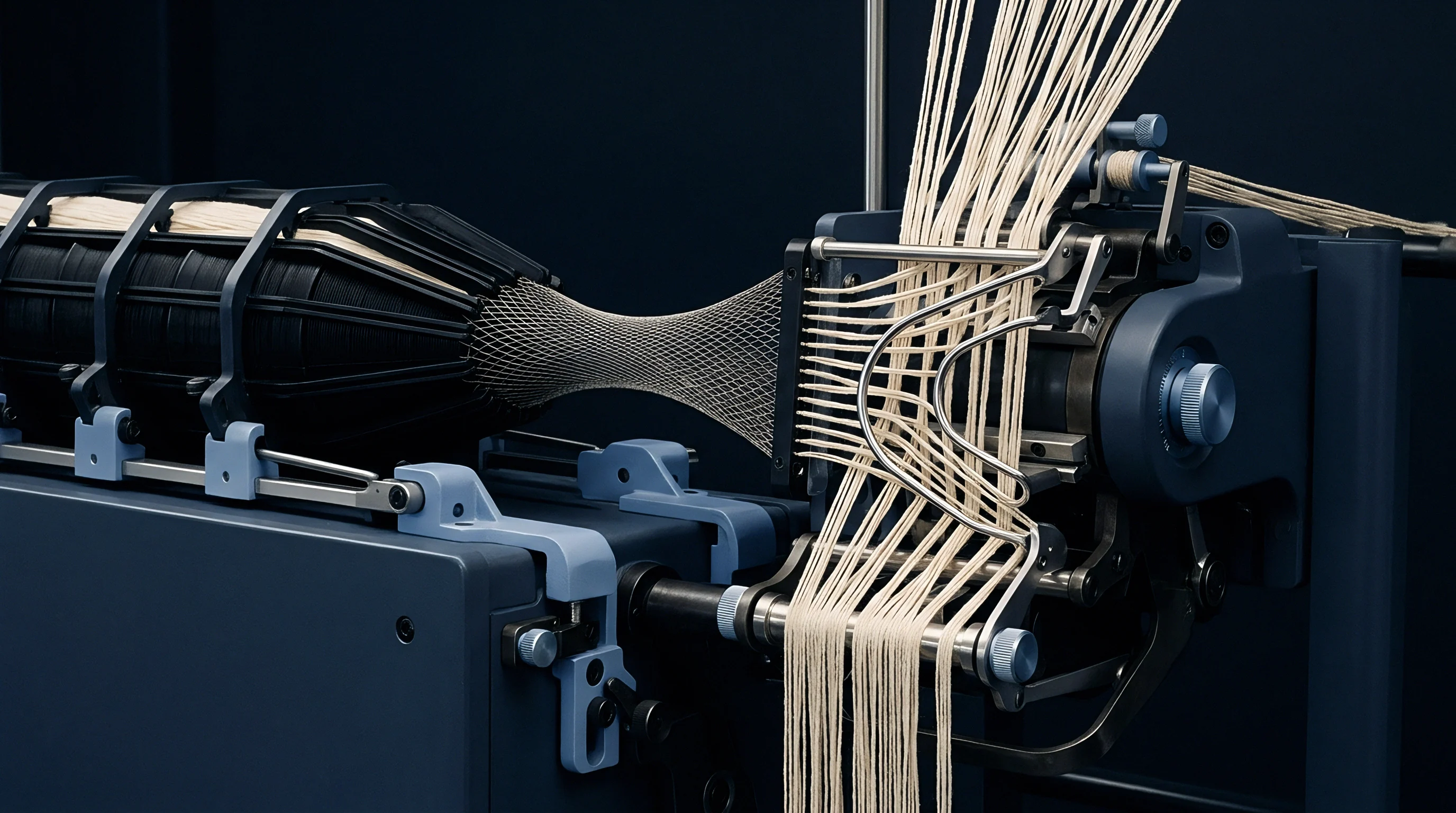
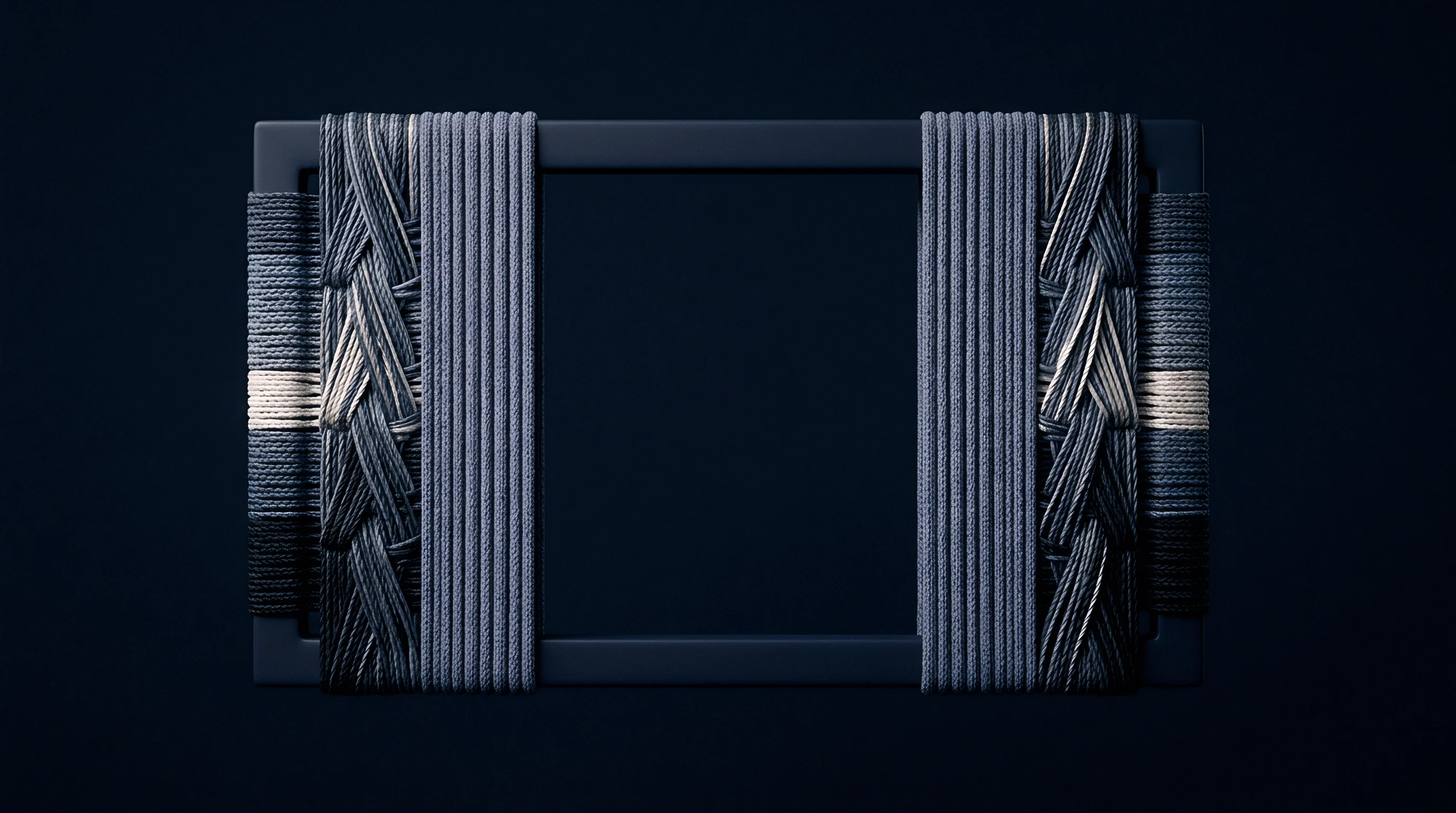
Cleavage
Hydronium ions trapped inside the fiber core attack the acetal linkages of cellulose polymers during subsequent thermal processing, targeting the 1,4-beta-glucosidic bonds that join anhydroglucose units along the chain. The reaction proceeds sluggishly under ambient conditions, but stenter drying frames operating between one hundred forty and one hundred eighty degrees Celsius provide more than enough activation energy for rapid chain scission.
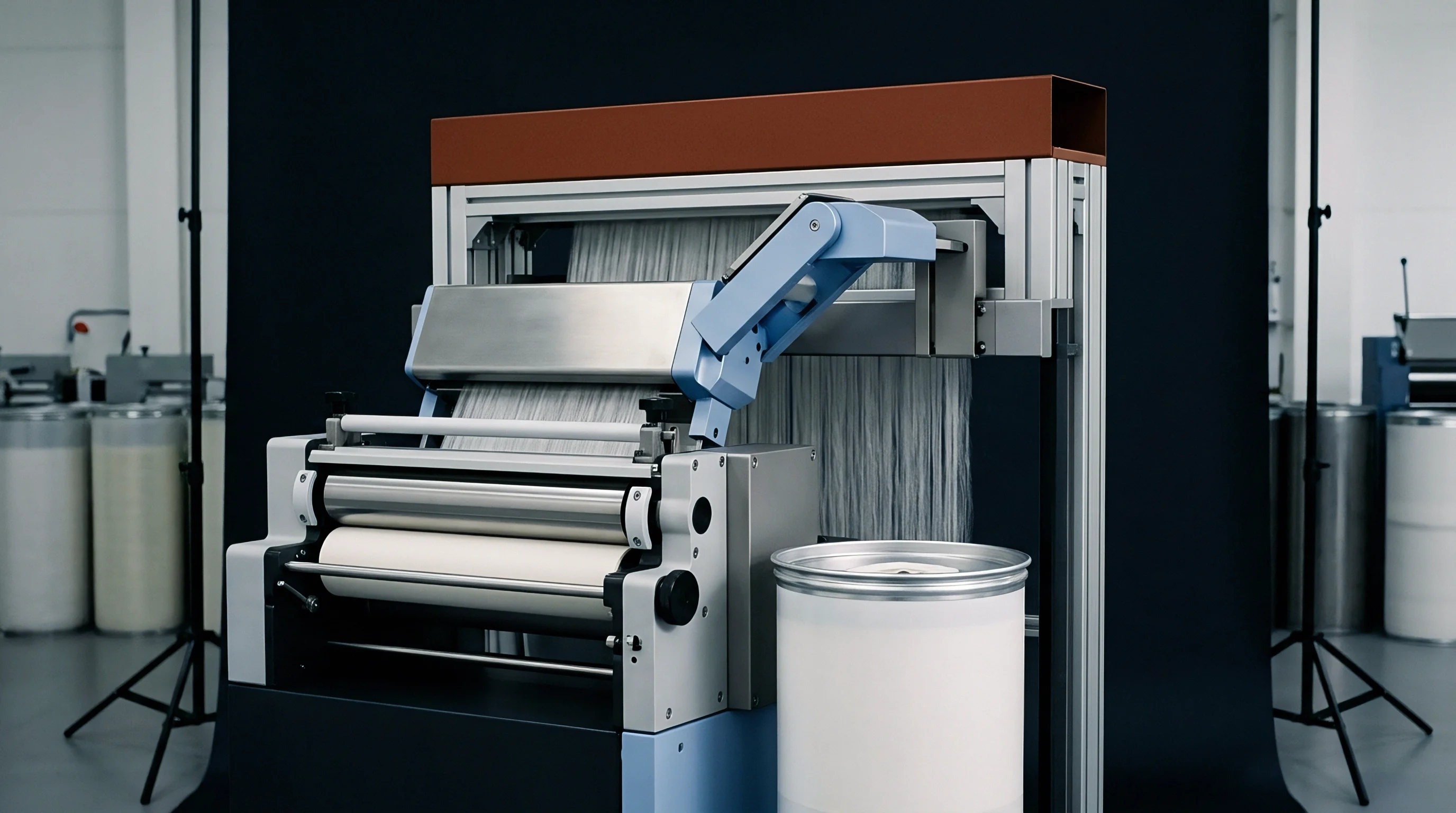
Acid Catalyzed Glycosidic Degradation Kinetics
Hydrolytic depolymerization accelerates sharply as water vapor leaves the yarn sheath during stenter drying. Evaporation draws capillary moisture from the interior toward the surface, but non-volatile mineral acids ~ such as sulfuric acid carried over from desizing or acid catalysts from durable-press resins ~ cannot vaporize. They remain behind in the core voids.
As liquid volume contracts, the local hydronium concentration in the yarn interior rises from millimolar levels into multi-molar ranges.
Consider a bulk run of Ne 80/2 combed compact cotton fabric padded with a zinc nitrate durable-press finish at pH 2.4. Starting with a cellulose degree of polymerization of 2200 units, a yarn packing fraction of 0.76, and core liquor retention of 0.12 grams of water per gram of fiber, stenter drying at 160 degrees Celsius with a 45-second residence time drives off ninety-five percent of the water before core temperature reaches equilibrium. That evaporation concentrates local core hydronium from 0.004 molar to 0.18 molar.
Under the Arrhenius relation for native cellulose, based on an activation energy of 115 kilojoules per mole, the rate constant for glycosidic bond cleavage jumps by a factor of four hundred relative to room temperature. Under these drying conditions, the weight-average degree of polymerization falls from 2200 units to 920 units within forty-five seconds. Single-end yarn tensile measurements taken after drying drop from 4.8 grams per tex down to 2.97 grams per tex ~ a thirty-eight percent loss in load-bearing capacity directly attributable to core depolymerization.
A degree of polymerization drop below eleven hundred reduces single-end tensile yarn strength by thirty-five percent under standard conditioning.
Load transfer in cellulose depends on unbroken polymer chains spanning both amorphous and crystalline regions. When acid hydrolysis severs chains in amorphous zones, the number of tie-molecules bridging adjacent crystallites declines, reducing individual fiber strength in proportion to the loss in degree of polymerization. In dense yarn cross-sections, this degradation concentrates heavily in the interior, creating a weakened central core where tensile failure initiates under load while outer sheath fibers retain their nominal molecular weight.
Thermal curing of acid-bearing cotton destroys internal tensile strength long before surface discoloration becomes visible to the eye.
Diagnostics
Assessing the true depth of degradation requires methods capable of separating core fiber damage from intact sheath fibers. Surface indicators such as bromocresol green or methyl red fail to register internal acidity because surface neutralization masks trapped hydronium. Accurate evaluation requires destructive micro-dissection alongside viscometric polymer testing.
How Does Viscometric DP Measure Core Degradation?
Standard intrinsic viscosity tests use cupriethylenediamine to dissolve cellulose samples for flow-time measurement in Ubbelohde capillary viscometers, converting efflux times to weight-average degree of polymerization through the Mark-Houwink-Sakurada relationship. On dense yarns carrying localized core damage, dissolving the whole yarn blends sound sheath fibers with severely degraded core fibers, producing an averaged viscosity that understates peak localized loss by up to fifty percent.
Effective laboratory diagnostics separate yarn core fibers from sheath fibers prior to dissolution or execute micro-extraction pH testing on macerated yarn pulp.
| Test Method | Target Parameter | Standard Reference | Precision / Tolerance | Core Sensitivity |
|---|---|---|---|---|
| Cupriethylenediamine Viscometry | Degree of Polymerization (DP) | ISO 5351 / ASTM D1795 | +/- 15 DP units | High (with micro-dissection) |
| Macerated Core Aqueous Extraction | Internal Hydronium Concentration | ISO 3071 (Modified) | +/- 0.1 pH units | High |
| Zero-Span Fiber Tensile Testing | Intrinsic Fiber Strength | ASTM D1445 | +/- 0.4 g/tex | Moderate |
| Surface Spot Indicator Titration | Sheath Acidity | AATCC TM81 | +/- 0.5 pH units | Low (Surface Only) |
Contract specifications referencing ISO 3071 must mandate yarn core maceration, as surface extraction standard procedures obscure core acid retention.
- Extract ten grams of yarn from inner package layers under controlled relative humidity.
- Macerate the sample using a high-shear mechanical homogenizer in twenty milliliters of deionized water.
- Measure fluid pH using a calibrated micro-electrode inserted into the settled fiber pulp.
- Dissolve five milligrams of macerated core fibers into cupriethylenediamine solution per ISO 5351 guidelines.
- Calculate intrinsic viscosity to determine the weight-average degree of polymerization.
Inserting ISO 5351 viscosity thresholds into greige purchase contracts shifts financial responsibility for delayed strength degradation directly back to the finishing mill.

Rinse
Operating neutralization ranges at commercial speeds requires tailored alkali chemistry and thermal control to drive active counter-ions into dense yarn bundles. Cold-water washing merely dilutes acid residing on the yarn surface. Thorough neutralization requires an alkaline species that diffuses into core voids to react with trapped hydronium ions, yielding neutral salts and water.

Diffusion-Limited Alkali Neutralization
Agitation and liquor velocity establish the pressure gradient driving fluid into the moving fabric web. High-speed wash boxes fitted with submerged squeeze rolls compress the yarn bundles mechanically, expelling exhausted core fluid and drawing fresh neutralizing liquor into the structure during elastic recovery.
The choice of neutralizing agent dictates how deeply the alkali penetrates. Sodium carbonate provides strong alkalinity, but its reaction with acid generates carbon dioxide inside the micro-capillaries, forming gas pockets that block further liquor penetration. Sodium bicarbonate prevents gas blocking but reacts at a slower rate.
Aqueous ammonia diffuses quickly because of its small molecular radius, though its volatile vapor emissions demand dedicated exhaust hoods above the wash boxes.
| Neutralizing Agent | Molecular Radius (nm) | Diffusion Rate (10^-6 cm^2/s) | Core Neutralization Depth (%) | Byproduct Risk |
|---|---|---|---|---|
| Sodium Carbonate (Na2CO3) | 0.28 | 1.12 | 58 | CO2 micro-gas blocking |
| Sodium Bicarbonate (NaHCO3) | 0.24 | 1.35 | 72 | Low reactivity at low temp |
| Aqueous Ammonia (NH4OH) | 0.15 | 2.45 | 94 | Volatile vapor emissions |
| Sodium Acetate Buffer | 0.32 | 0.88 | 45 | High residual conductivity |
Neutralization baths operated above forty meters per minute leave core acid unreacted in yarns with twist multipliers exceeding four point zero.
Configuring continuous wash ranges for dense fabrics demands specific operational parameters to eliminate core chemical retention.
- Liquor Penetration Auxiliaries Low-foaming non-ionic wetting agents lower surface tension below twenty-eight dynes per centimeter, accelerating fluid entry into core capillaries.
- Temperature Elevation Operating wash boxes at seventy-five degrees Celsius increases the diffusion coefficient of sodium ions by sixty percent compared to ambient water.
- Dwell Time Extension Multiple serpentine vertical washer passes expand total immersion time to meet the minimum forty-second diffusion threshold.
Balancing wash-box water consumption against the diffusion kinetics needed for thorough core neutralization remains a central compromise in range setup.

Claims
Commercial contracts for high-density woven fabrics regularly overlook post-finishing hydrolytic decay that unfolds during ocean transit and warehouse storage. Goods tested right off the stenter frame often meet initial tensile specifications without issue. However, when residual core acid remains unneutralized, atmospheric moisture absorbed across a ninety-day transit cycle reactivates hydronium mobility inside the yarn core.
Commercial Risk Management
Hydrolysis continues at ambient storage temperatures as long as residual hydronium remains paired with moisture inside the bundle. Over three months of storage at twenty-five degrees Celsius and sixty-five percent relative humidity, fabric with an internal core pH of 3.8 can lose up to twenty-five percent of its tensile and tear strength. By the time garment factories spread the rolls, the defect surfaces as unrolling tears, seam slippage under sewing tension, or cracking during garment wash steps.
Garment manufacturers facing production failures issue debit notes covering fabric costs, lost cutting labor, committed trim inventory, and late delivery penalties from retail accounts. Standard textile supply agreements limit mill liability to invoice value unless purchase specifications incorporate post-aging degradation criteria. Specifying mandatory core maceration pH limits between 6.0 and 7.5, along with a minimum cupriethylenediamine degree of polymerization of 1400 units following 72 hours of accelerated aging at 80 degrees Celsius and 80 percent humidity, provides the technical basis needed to claim full downstream losses.
Failing to verify core acid elimination before thermal curing leads to whole-order rejections when stored fabric drops below tensile specifications three months after delivery.