Cross Deckle Chemical Distribution in Coated Technical Textiles
Multi-point chemical extraction across roll width prevents localized compliance failures caused by cross-deckle coating deposition gradients in technical fabrics.

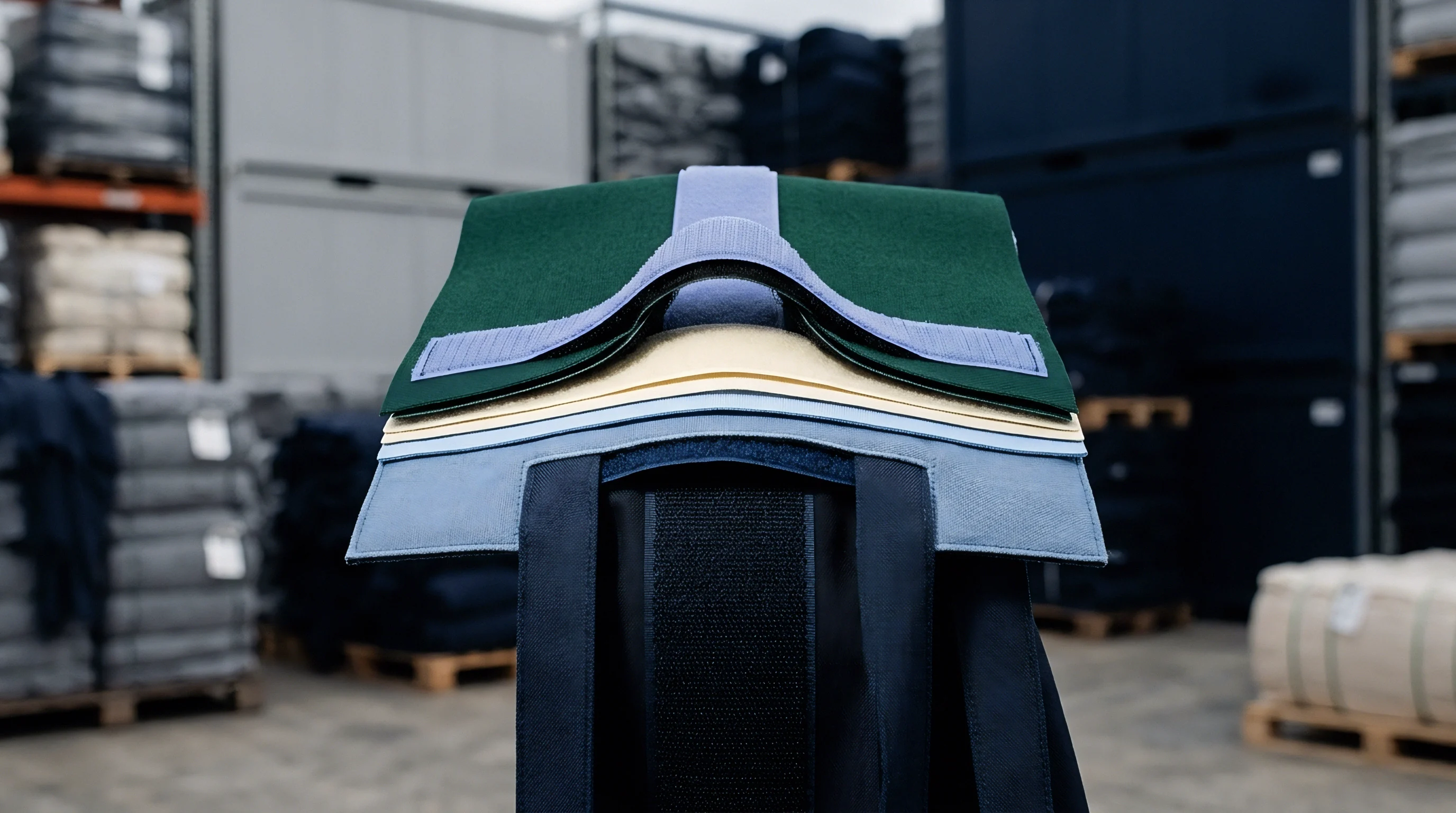
Blade
Liquid formulation transfer onto continuous textile substrates depends on hydrodynamics established at the applicator interface. Mechanical knife coaters, air-knife systems, and dip-squeeze padders generate non-uniform fluid dynamic stress profiles across fabric roll widths. When chemical matrices containing polyurethanes, polyvinyl chloride plastisols, or fluoropolymer emulsions move beneath a metering edge, fluid shear stress varies systematically from the roll selvages to the center.
Edge deflections alter mass transfer. Rheology dictates local pick-up. Viscosity drops under high shear.
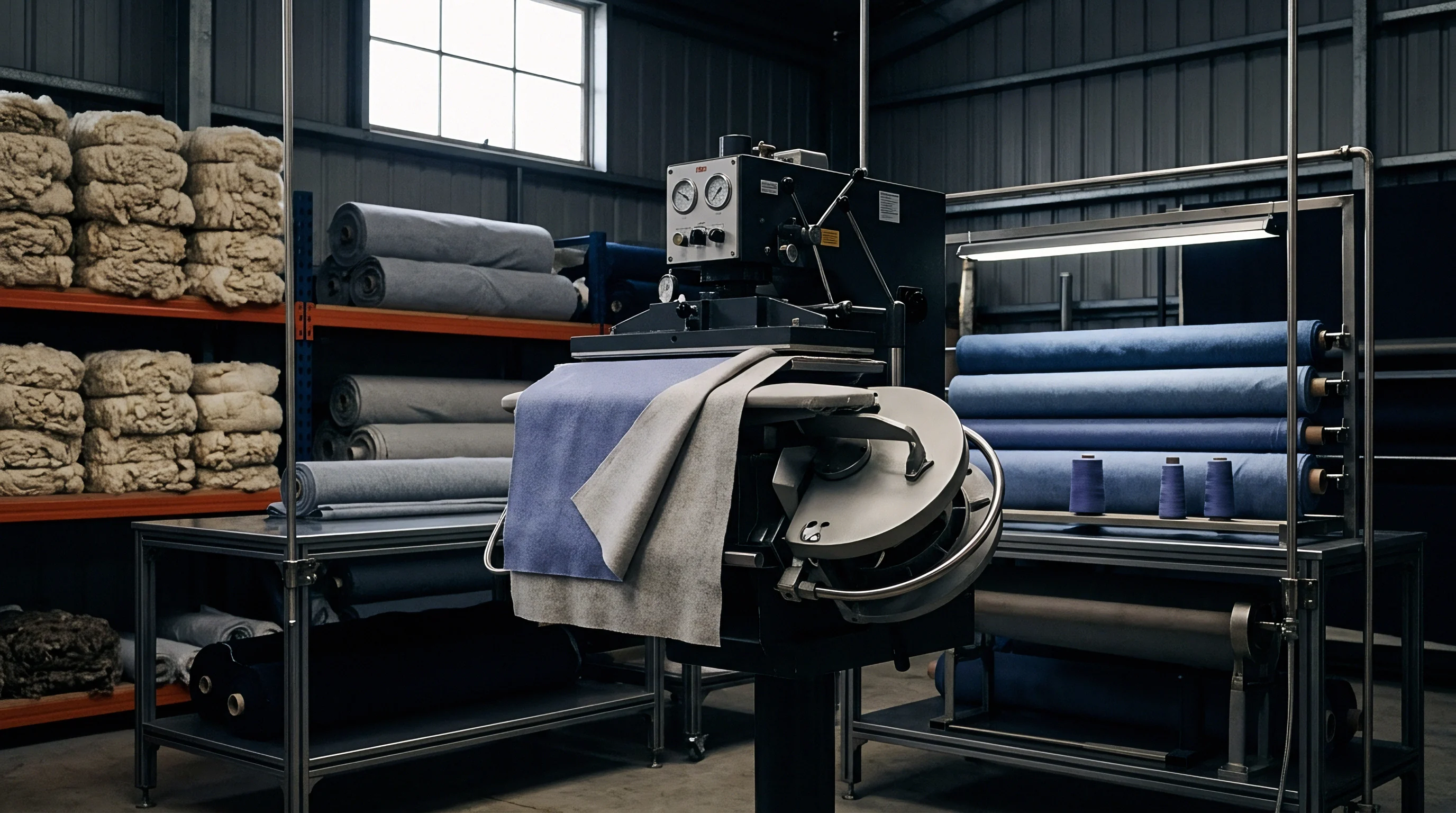
Mechanical Applicators and Shear Forces
Coating lines utilizing knife-over-roll, reverse-roll, or air-knife configurations deliver liquid polymer matrices onto moving fabrics under high speed. Metering gap settings determine initial wet film thickness across the width. Because steel metering blades experience structural bending under continuous fluid pressure, center gaps expand by fractions of a millimeter relative to anchored edge assemblies.
A gap divergence of fifty micrometers increases wet coat weight by up to twelve percent along the fabric center. Surface tension drives coat leveling. Wet film thickness varies across web.
Active chemical constituents, including organotin catalysts, phthalate plasticizers, and brominated flame retardants, deposit in proportion to local wet mass density.
Coating lines running high-solids formulations exhibit greater edge-to-center chemical variance than solvent-rich dip systems.

Metering Deflection across Wide Deckles
Structural bending in steel dosing bars occurs when hydraulic pressure forces liquid compound against extended span supports. Wide-deckle coating lines exceeding two hundred centimeters in width exhibit heightened deflection dynamics along their center point. As fluid viscosity shifts due to temperature build-up in chemical reservoirs, shear resistance along the blade edge varies during extended manufacturing runs.
High-shear zones near fabric edges yield lower film deposition, whereas low-shear central zones allow higher wet add-on mass. Subcontracted coaters shift dry weights.
| Coating System | Primary Deposition Mechanism | Cross-Deckle Mass Variance Range (%) | Chemical Vulnerability Zone |
|---|---|---|---|
| Knife-over-Roll | Hydrodynamic shear gap metering | 3.5 – 9.2 | Roll center line high solids concentration |
| Reverse Roll | Precision nip transfer roll gap | 1.2 – 3.8 | Selvage edge film thinning |
| Dip-Squeeze Padder | Immersed saturation and roll extraction | 4.8 – 11.5 | Center trough chemical depletion |
| Rotary Screen | Extrusion through nickel mesh pores | 2.1 – 5.4 | End-to-end squeegee pressure drop |
Mills frequently claim that dry pick-up tolerances listed on technical datasheets apply strictly as roll-wide averages rather than point-specific chemical guarantees.

Gradient
Chemical concentration profiles across web width evolve rapidly during thermal fixation inside multi-zone drying ovens. As wet coated technical textiles enter stenter chambers, moisture and carrier solvents evaporate under high-velocity heated air streams. Temperature distribution across oven width remains inherently unequal due to duct geometry, housing insulation loss, and selvage clip heat dissipation.
Solvents evaporate during thermal pass. Roll edges dry faster center. Flame retardants segregate during drying.

Thermal Drying Profiles in Stenter Chambers
Air nozzle distribution inside convection heating units generates variable heat exchange rates from fabric selvage to center. Selvages exposed to edge chain tracks absorb conductive heat from metallic transport clips, elevating localized temperatures by ten to fifteen degrees Celsius above center web readings. Accelerated thermal evaporation along selvages establishes lateral capillary pressure gradients within the wet polymer film.
Water and organic solvents migrate laterally toward hotter zones, carrying dissolved active agents, cross-linkers, and surfactants along convective transport vectors.
Concentration variations exceeding eight percent between roll center and selvage produce localized regulatory non-compliance in technical textile coatings.
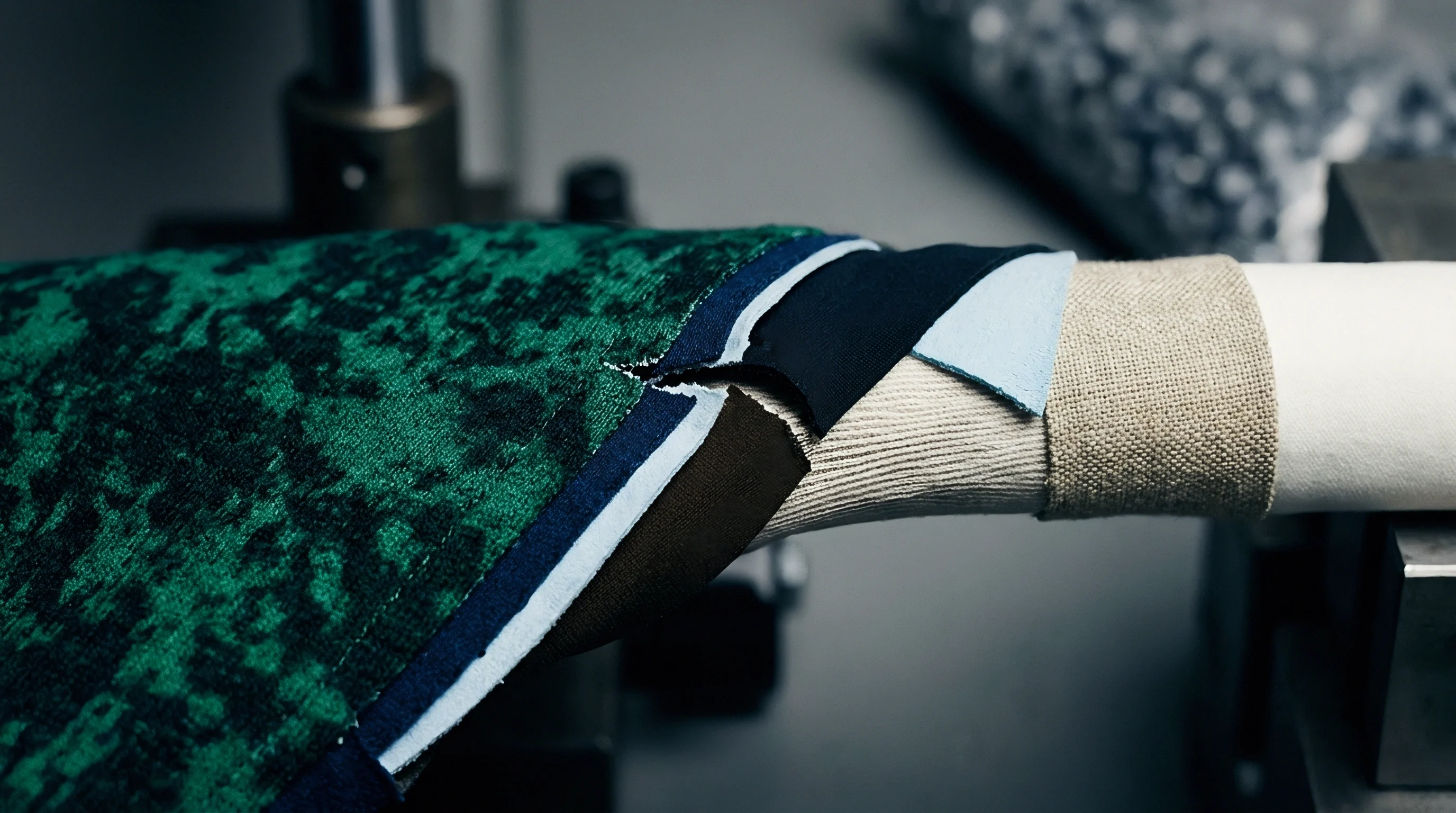
Solvent Evaporation and Migration Mechanics
Differential liquid vapor pressure drives active functional additives toward zones experiencing faster carrier removal. Water-soluble flame retardants, perfluoroalkyl substances, and antimicrobial copper or zinc salts follow liquid movement toward rapidly drying selvage zones. Conversely, hydrophobic organophosphorus compounds or high molecular weight plasticizers remain trapped in slower-drying central web regions.
Shear gradients alter cross-linking rates. Dry pick-up dictates performance.
- Thermal Migration Variance local temperature peaks push volatile cross-linking agents toward selvages, leaving center regions under-cured and chemically enriched.
- Rheological Shear Thinning polymer viscosity decreases near high-shear edges, causing excessive chemical penetration into substrate yarns along boundary zones.
- Solvent Evaporation Differential rapid edge drying pulls soluble flame retardants outward from fabric centers during early oven drying stages.
- Substrate Crown Deflection uneven tension across woven backing rolls creates thick center polymer pockets during liquid compound dosing operations.
| Chemical Additive Class | Target Concentration (wt %) | Observed Cross-Deckle Range (wt %) | Primary Failure Mode |
|---|---|---|---|
| Organotin Catalysts | 0.05 | 0.01 – 0.09 | Localized REACH Annex XVII non-compliance at edges |
| Phthalate Plasticizers | 15.00 | 11.20 – 18.40 | Center web leaching during flexing stress |
| Halogenated Flame Retardants | 8.00 | 5.10 – 10.90 | Edge ignition pass with central burn failure |
| PFAS Water Repellents | 1.50 | 0.60 – 2.30 | PFOA impurity spikes along dry selvages |
Coating lines operating with higher drying air velocities produce wider chemical concentration discrepancies across fabric rolls.


Specimen
Laboratory evaluation of coated technical textiles depends entirely on swatch selection locations. Traditional quality assurance practices rely on cutting narrow coupons from accessible roll edges following slitting or inspection passes. Swatch sampling along selvages fails to represent chemical composition across interior web regions.
Standard swatches miss central variance. Retest costs double lab fees. Border detentions halt shipments flat.

Is Edge Sampling Masking Center Deckle Non-Compliance?
Standard laboratory swatches cut exclusively from selvage strips frequently pass restricted substance limits while interior material fails. When regulatory agencies or brand compliance teams pull full-width coupons or extract swatches from roll centers, latent chemical accumulation comes to light. Perfluorooctanoic acid concentrations, phthalate plasticizer fractions, or residual solvent residues like dimethylformamide often remain compliant within ten centimeters of fabric selvages while exceeding legal thresholds by forty percent across the middle third of the roll deckle.
Laboratory testing under EN ISO 17025 invalidates edge-only sampling when cross-deckle coating gradients exceed nominal chemical tolerances.

Multi-Point Web Sampling Execution Scheme
Verification testing across production rolls demands structured extraction points spanning total width dimensions. Implementing a three-point or five-point cross-deckle extraction sequence establishes defensive laboratory evidence capable of withstanding regulatory scrutiny under REACH Annex XVII, California Proposition 65, or US Consumer Product Safety Improvement Act enforcement directives.
- Cut three full-width strip samples across the roll width at initial, middle, and final production points.
- Measure wet coat thickness immediately behind the metering gap using a non-contact optical micrometer across seven equidistant points.
- Extract active chemical constituents separately from the left selvage, center strip, and right selvage using solvent extraction per ISO 14362 standards.
- Quantify cross-deckle concentration variance by high-performance liquid chromatography and record deviation relative to nominal specification limits.
- Reject any production lot where the cross-deckle deviation exceeds ten percent of the mean dry add-on weight.
Failing to capture center-roll chemical concentration spikes leads directly to border detentions, costly laboratory re-testing, and entire shipment rejections by import authorities.


Discrepancy
Numerical divergence between nominal chemical dosing rates and localized analytical results creates immediate commercial exposure. A mill mixing a chemical bath calculated to achieve six hundred parts per million of a regulated flame retardant additive assumes whole-roll compliance when edge test reports indicate four hundred and eighty parts per million. Analytical extraction of center-roll specimens subsequently reveals eight hundred and twenty parts per million, breaching mandatory border limits.
Commercial liability shifts instantly from raw material cost calculations to container seizure defense.
Worked Additive Variance and Compliance Limits
Assume a forty-tonne production run of polyurethane-coated polyester fabric specified with a target flame retardant loading of eight percent by weight. Chemical compound costs equal three dollars per kilogram of applied wet formulation. Knife deflection generates a wet add-on distribution profile of ninety grams per square meter along selvages and one hundred and eight grams per square meter across the central deckle.
Total active flame retardant content measures six point two percent by weight at fabric edges and nine point eight percent by weight across the center span.
Laboratory testing against regulatory standards carrying a ceiling limit of eight point five percent by weight results in localized rejection of the central web section representing sixty-five percent of total lot area. Rejection of the lot strands forty tonnes of finished fabric, representing a direct material loss of one hundred and sixty-eight thousand dollars plus shipping and disposal liabilities. The cost of installing real-time optical coat weight sensors across the applicator span totals twenty-four thousand dollars, demonstrating that capital investment in cross-deckle monitoring pays back within a single rejected production batch.
Metering knife deflection under hydraulic pressure concentrated active chemical agents along the fabric center line.
Contractual Allocation of Retest Liabilities
Purchase agreements explicitly define chemical sampling positions across fabric widths to bind compound suppliers. Importers who accept generic certificates of analysis based on composite roll grinding risk total loss when enforcement authorities test discrete cross-deckle swatches. Supply contracts incorporating precise cross-deckle extraction protocols transfer financial liability back to primary converters whenever localized chemical concentrations exceed statutory boundaries.
- Batch Certificate Scope transaction certificates state explicit sampling locations across roll widths rather than single point averages.
- Laboratory Method Validation testing protocols quantify chemical concentrations across left, center, and right web segments independently.
- Subcontractor Chemical Dossiers compound suppliers disclose component migration characteristics under heat setting temperature curves.
- Retest Allowance Clauses contracts assign retest and border detention costs directly to coaters when cross-deckle variance triggers non-compliance.
| Testing Position | Measured Additive Concentration (mg/kg) | Regulatory Limit (mg/kg) | Conformity Status | Financial Exposure ($) |
|---|---|---|---|---|
| Left Selvage (10% Width) | 420 | 500 | Pass | 0 |
| Center Web (50% Width) | 680 | 500 | Fail | 145,000 |
| Right Selvage (90% Width) | 440 | 500 | Pass | 0 |
| Methods note: Analysis performed via solvent extraction followed by gas chromatography-mass spectrometry (GC-MS) per EN 17137 standards. Total lot value subject to rejection equals $145,000. | ||||
Incorporating ISO 17025 clause 7.8.2.1 into supply contracts forces laboratories to record exact cross-web sampling coordinates, turning disputed roll-center failures into indisputable vendor breaches.


Audit
Regulatory inspection teams at international ports increasingly target technical textile shipments for chemical compliance checking. Market surveillance authorities in the European Union, the United States, and Japan employ high-resolution screening technologies to identify restricted chemical residues in imported goods. Customs laboratories no longer rely on supplier-provided certificates of conformity, opting instead to execute independent chemical extractions across random roll positions.
Technical textile coaters must align cross-deckle quality control to survive these rigorous verification protocols.

Surveillance Sampling Mechanics at Customs Control
Enforcement officers extract swatch coupons from accessible roll ends during physical container inspections. When screening instruments detect elevated chlorine, fluorine, bromine, or tin signals, inspectors unroll entire bolts to cut internal core swatches. Center-deckle specimens taken from interior roll layers consistently expose hidden chemical gradients.
Importers facing border detentions must supply detailed batch dossiers demonstrating cross-deckle homogeneity across manufacturing lots.

Technical Dossier Defense Strategies
Importers present comprehensive batch records containing multi-point chemical extraction test results to challenge customs detentions. Technical dossiers carrying ISO 17025 accredited laboratory test reports covering left, center, and right web locations establish clear proof of compliance verification rigor. Documenting inline coat weight monitoring, thermal stenter balance records, and batch chemical dosing logs provides the evidence base required to release held containers and defeat financial penalty proceedings.
What threshold of cross-deckle chemical variation will future automated inline sensors enforce before physical swatch testing becomes entirely obsolete?