Subcontracted Dyehouse Chemical Compliance Audit Protocols and Documentation Chains
Subcontracted dyehouse chemical compliance demands batch-level chemical inventory reconciliation, scope certificate validation, and mandatory retest liability clauses.


Inputs
Chemical compliance usually breaks down at the subcontract level. Primary fabric mills frequently offload excess volume or specialized wet processing to third-party commission dyehouses. Because these subcontracted units operate outside the direct oversight of brand audit teams, they introduce severe restricted substance risks into finished goods.
Verification therefore starts at the receiving dock, auditing raw chemical formulations before auxiliaries ever reach the dye bath.
Commission dyers select chemical inputs for cost and technical performance rather than brand restricted substance lists. Safety Data Sheets from local formulators often obscure hazardous components under proprietary trade names, as Section 3 permits withholding exact chemical identities when concentrations stay below standard reporting thresholds. Consequently, toxic auxiliaries such as nonylphenol ethoxylates and chlorinated carrier solvents slip into the facility concealed within unlisted levelling agents, scouring surfactants, and de-aerating additives.

Chemical Inventory Logging and Safety Data Sheet Scope
Auditors establish compliance by creating a physical chemical inventory log for the subcontracted facility. Every drum, tote, and carboy in the chemical store must match an approved inventory entry backed by a valid analytical test report or third-party verification certificate. Under modern chemical management frameworks, facilities categorize incoming inputs against standardized Manufacturing Restricted Substances List conformance levels.
| Conformance Level | Verification Mechanism | Analytical Screening Depth | Subcontracted Dyehouse Documentation Requirement |
|---|---|---|---|
| Level 1 | Safety Data Sheet review and self-declaration | Targeted screening for high-risk chemical groups | Formulator compliance declaration and basic Safety Data Sheet file |
| Level 2 | Third-party chemical management audit | Process chemical screening and facility management evaluation | On-site audit report and chemical inventory verification record |
| Level 3 | Analytical laboratory testing of trade formulations | Full mass spectrometry and gas chromatography screening | Batch-specific laboratory analytical report and chemical scope certificate |
Chemical storage rooms in subcontracted facilities quickly reveal compliance breakdowns. Technicians frequently decant concentrated dyes and liquid auxiliaries into unlabelled buckets for manual dosing into jet dyeing machines ~ a practice that bypasses automated chemical feed systems and eliminates trace accountability for added leveling agents or fixatives.
A residual alkylphenol ethoxylate concentration above 100 milligrams per kilogram in finished knit goods triggers immediate border rejection under European REACH Annex XVII regulations.
Cross-contamination occurs when storage vessels share piping or mixing tanks without complete flushing between batches. An auditor inspects chemical transfer lines, pump housings, and manual measuring vessels to ensure residual surfactants from conventional runs cannot contaminate certified restricted runs. Chemical intake logs are then cross-referenced against mill dye recipes to confirm batch dosing rates match formulator specifications exactly.
Raw auxiliary suppliers frequently offer only verbal compliance assurances, passing chemical liabilities downstream without verifiable laboratory screening.


Assurance
Verifying a subcontracted dyehouse during high-risk wet processing requires structured physical inspection protocols that trace a fabric batch through scouring, bleaching, dyeing, washing, and chemical finishing. Audits evaluate machine cleanliness, process water quality, and auxiliary dosing accuracy during active production runs.
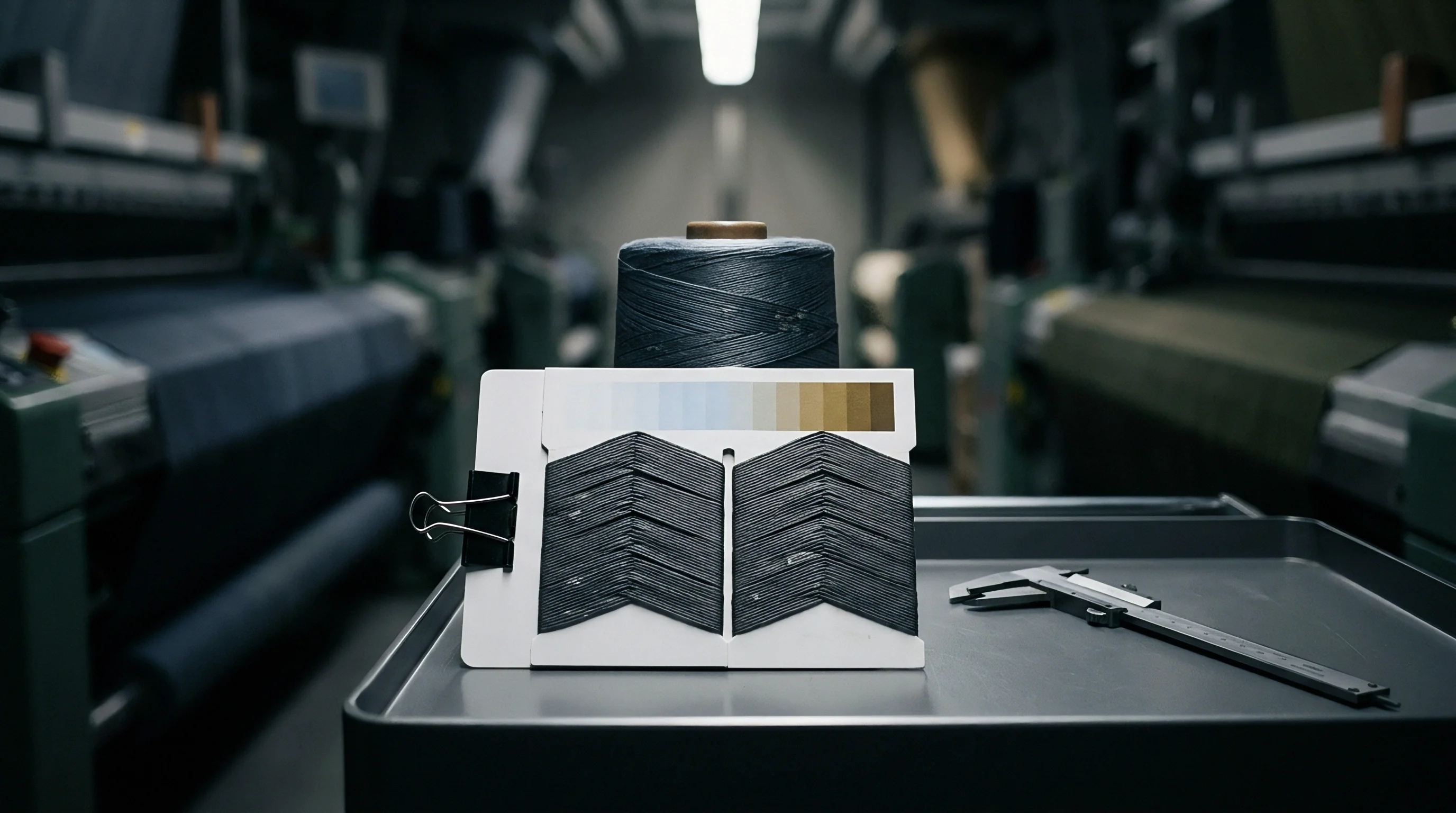
Batch Segregation and Wet Processing Audit Protocols
Subcontracted facilities often run compliant brand orders alongside uncertified commercial fabric. Preventing chemical cross-contamination requires strict physical segregation of machines, dye bath preparation areas, and chemical dispensing units. Auditors follow a physical verification protocol to certify batch integrity throughout the wet processing sequence.
- Inspection of the chemical storage room to audit incoming auxiliary drums against the approved chemical inventory log.
- Verification of machine wash-down logs between conventional production runs and restricted brand batches.
- Collection of raw dye bath liquor samples prior to textile immersion for mass spectrometry screening.
- Verification of automatic chemical dosing system calibration to prevent manual addition of unlisted wetting agents.
- Review of daily water treatment intake logs against total dyed fabric mass to confirm processing volume integrity.
Failure to link the chemical lot number on the dyehouse slip to the final transaction certificate voids the mill compliance warranty under standard international sourcing contracts.

Audit Sequence for Subcontracted Wet Processing
When transitioning a jet dyeing machine from disperse-dyed polyester containing heavy metal carriers to certified organic cotton knit, residual chemicals linger on internal vessel walls and heat exchangers unless the vessel undergoes a thorough boil-out. Facility protocols specify high-temperature cleaning using sodium hydroxide and hydrosulfite stripping agents between runs. Auditors review machine maintenance logs and check internal vessel seals for dye sludge accumulation.
Finishing stenter frames present another critical contamination vector, as softeners, fluorinated stain repellents, and flame retardants accumulate on stenter pads and drying rolls. If a subcontracted facility processes a water-repellent fabric batch containing perfluoroalkyl substances, subsequent untreated fabric runs absorb surface fluorochemical residues from an uncleaned padder bowl. Audits confirm that stenter pad rollers undergo solvent cleaning before processing certified non-fluorinated fabric lots.
Incorporating Standard Clause 4.2 into wet processing agreements transfers all testing expenses to the subcontractor whenever an uncertified auxiliary chemical causes a batch failure.


Discrepancy
Discrepancies between certified documentation and physical fabric performance stem from chemical contamination, improper testing methodology, or intentional auxiliary substitution during peak production runs. Because traceability breaks down at commission units, laboratory testing often identifies these failures late in the process. Pinpointing the chemical root cause of audit failures requires detailed knowledge of dyehouse chemistry and analytical reporting limits.

Failure Modes in Subcontracted Wet Processing
Subcontracted wet processing introduces chemical failure vectors that bypass standard paper documentation checks. Auxiliary compounds added to improve process efficiency often contain banned hazardous substances that bind tightly to textile fibers.
- Auxiliary Surfactant Contamination occurs when subcontracted dyers use low-cost scourers containing nonylphenol ethoxylates to clean greige goods before dyeing.
- Cleavage of Azo Dyes yields restricted aromatic amines like 4-aminobiphenyl or benzidine during reductive stripping when shading adjustments take place.
- Heavy Metal Accumulation in dark shade recipes stems from unrefined chrome complex dyes or contaminated process water passing through brass fittings.
- Cross-Contamination of PFAS Compounds happens when finishing machines apply oil repellents without flushing lines before processing untreated apparel batches.
| Restricted Chemical Class | Target Compound Example | Governing Test Method | Reporting Limit (mg/kg) | Regulatory Limit (mg/kg) |
|---|---|---|---|---|
| Azo Dyes / Aromatic Amines | 4-Aminobiphenyl / Benzidine | EN 14362-1:2017 / EN 14362-3:2017 | 5.0 | 30.0 |
| Alkylphenol Ethoxylates | Nonylphenol Ethoxylate (NPEO) | ISO 18218-1 / ISO 18218-2 (LC-MS) | 5.0 | 100.0 |
| Hexavalent Chromium | Chromium VI (Cr VI) | EN ISO 17075-1 / EN ISO 17075-2 | 0.5 | 3.0 |
| Perfluoroalkyl Substances | Perfluorooctanoic Acid (PFOA) | EN ISO 21637 (LC-MS/MS) | 0.01 | 0.025 |
Consider a mass balance calculation for a 10,000 kilogram lot of 100 percent combed cotton jersey dyed in a subcontracted jet machine using a liquor ratio of 1 to 10. The process utilizes 100,000 liters of water. An auxiliary wetting agent is added at a concentration of 2 grams per liter, totaling 200 kilograms of liquid chemical preparation.
If that wetting agent contains 0.1 percent nonylphenol ethoxylate by weight due to unverified raw material sourcing, 200 grams of pure NPEO enters the dye bath. Assuming a 50 percent exhausted retention rate onto the cotton fiber surface during fixation, 100 grams of NPEO remains bound to the 10,000 kilograms of finished fabric. The resulting concentration on the finished textile reaches exactly 10 milligrams per kilogram.
While this specific run stays below the 100 milligram per kilogram threshold of REACH Annex XVII, a double-dosage correction for uneven levelness pushes the final fabric concentration to 20 milligrams per kilogram, consuming 20 percent of the allowable legal limit in a single processing step.
Cleavage of azo dyes during shade correction represents another major failure mode. When a subcontracted dyer misses the target color shade, technicians add stripping agents like sodium hydrosulfite to break down dye molecules and lighten the batch. Reductive stripping of certain azo dyes cleaves the nitrogen-nitrogen double bond, generating restricted carcinogenic aromatic amines that were not present in the original dye formulation.
High-performance liquid chromatography coupled with mass spectrometry detects these amines during final garment audit testing.
An unannounced audit of the chemical dispensing room exposes raw material substitutions faster than any end-product laboratory test report.
Heavy metal residues migrate into finished goods from contaminated process water or low-grade dyestuffs. Subcontracted facilities utilizing untreated groundwater often introduce extractable iron, copper, and nickel into bleached white cotton. When leather trims or leather garments undergo subcontracted dyeing, trivalent chromium used in tanning converts to hexavalent chromium under alkaline drying conditions and high heat.
ISO 17075 analysis quantifies hexavalent chromium down to 0.5 milligrams per kilogram, catching thermal oxidation failures caused by improper stenter drying speeds.
The operational question remains whether online mass spectrometry monitoring of effluent streams can detect auxiliary substitutions before finished fabric rolls exit the stenter frame.


Files
Paper documentation frequently masks physical mixing. Establishing compliance across subcontracted dyehouse operations requires maintaining an unbroken chain of custody file ~ connecting raw fiber purchase orders, Scope Certificates, Transaction Certificates, and batch analytical test reports ~ to verify that certification scope covers actual shop-floor practice.

Scope Certificates and Transaction Certificate Reconciliation
A Scope Certificate verifies that a facility possesses the technical capacity, environmental controls, and management systems to meet a standard like GOTS or OEKO-TEX Standard 100. However, a Scope Certificate alone does not prove that a specific fabric roll in a container is compliant. Verifying lot-level compliance requires reconciling facility-level Scope Certificates against lot-specific Transaction Certificates.
- Matching Facility Addresses on the Scope Certificate against the physical address printed on the subcontracted wet processing delivery slip.
- Verifying Article Class Scope to confirm that the certificate covers the specific fiber composition and wet processing category of the shipped lot.
- Auditing Mass Balance Quantities on Transaction Certificates against total raw yarn or fabric input invoices to detect volume inflation.
- Cross-Checking Retest Reports to confirm that chemical analytical reports bear testing dates prior to the commercial dispatch date of the fabric lot.
Discrepancies often emerge when a primary Tier 2 mill holds a valid Scope Certificate, but wet processing actually takes place at an unlisted Tier 3 subcontracted facility. Importers of record presenting a Scope Certificate for the primary mill during a brand audit face immediate non-compliance findings if dyehouse delivery dockets reveal an unlisted subcontractor address. The documentation chain must explicitly link every subcontracted facility address to the primary scope document.
Subcontracted dyehouses operating without continuous wastewater monitoring frequently mix compliant brand runs with uncertified commission lots.
Transaction Certificates provide the quantitative bridge between incoming certified yarn and outgoing dyed fabric. Auditors cross-check the physical weight of raw cotton yarn delivered to the subcontracted dyer against the finished fabric mass on the shipping manifest. A mass discrepancy exceeding standard manufacturing loss allowances (typically 3 to 5 percent for lint and moisture adjustments) indicates that uncertified fabric was blended into the batch during wet processing.
Always assume a Scope Certificate protects the facility owner rather than the specific roll of cloth inside the shipping container until a valid Transaction Certificate links the batch numbers.


Recourse
Commercial contracts determine who carries financial liability when a subcontracted dyehouse introduces restricted substances into finished textiles. Customs authorities enforce border limits strictly, quickly turning initial processing savings into severe losses during detentions. Sourcing agreements must embed clear chemical indemnity clauses into purchase orders to prevent catastrophic financial losses from border seizures or product recalls.

Commercial Liability and Retest Allocation Clauses
When border screening detects banned aromatic amines or perfluoroalkyl substances, customs authorities issue detention orders. The importer of record carries legal responsibility for quarantine fees, re-exportation expenses, and destruction costs. Without explicit legal recourse back to the primary converter and subcontracted dyer, financial recovery is virtually impossible.
| Risk Event | Customs Border Action | Retest Cost Allocation | Recommended Purchase Order Remedy Clause |
|---|---|---|---|
| REACH Annex XVII Azo Dye Failure | Immediate cargo seizure and mandatory destruction order | 100 percent charged to primary mill and subcontractor | Full invoice refund plus cargo destruction fee recovery clause |
| APEO Surfactant Exceedance | Container detention pending second laboratory retest | Dyehouse pays quarantine and retest fees upon failure confirmation | Automatic payment hold until retest verification clears border |
| Uncertified Subcontractor Substitution | Brand audit fail and cancellation of scope approval | Primary mill covers full audit and re-qualification fees | Contractual penalty equal to 30 percent of lot purchase value |
Retest costs multiply rapidly during supply detentions. Independent analytical testing for a complete restricted substance list ranges from $800 to $2,500 per colorway depending on fiber complexity. If a multi-color garment shipment contains five distinct fabric dyes, chemical testing fees escalate quickly.
Standard sourcing contracts stipulate that if an initial random audit sample fails compliance screening, the primary converter pays for three secondary composite retests conducted by an ISO 17025 accredited laboratory.
Demurrage fees at major commercial ports compound the financial impact of chemical detentions. Container storage fees routinely reach $350 per day after the standard free-time window expires. Resolving a chemical scope mismatch during a six-week regulatory detention adds over $14,000 in port demurrage per container ~ often exceeding the total wet processing fee earned by the subcontracted dyehouse.
Failing to enforce back-to-back chemical indemnity agreements leaves the primary converter liable for complete cargo destruction costs and brand compliance penalties whenever customs authorities confiscate non-compliant shipments.