Operational Definition
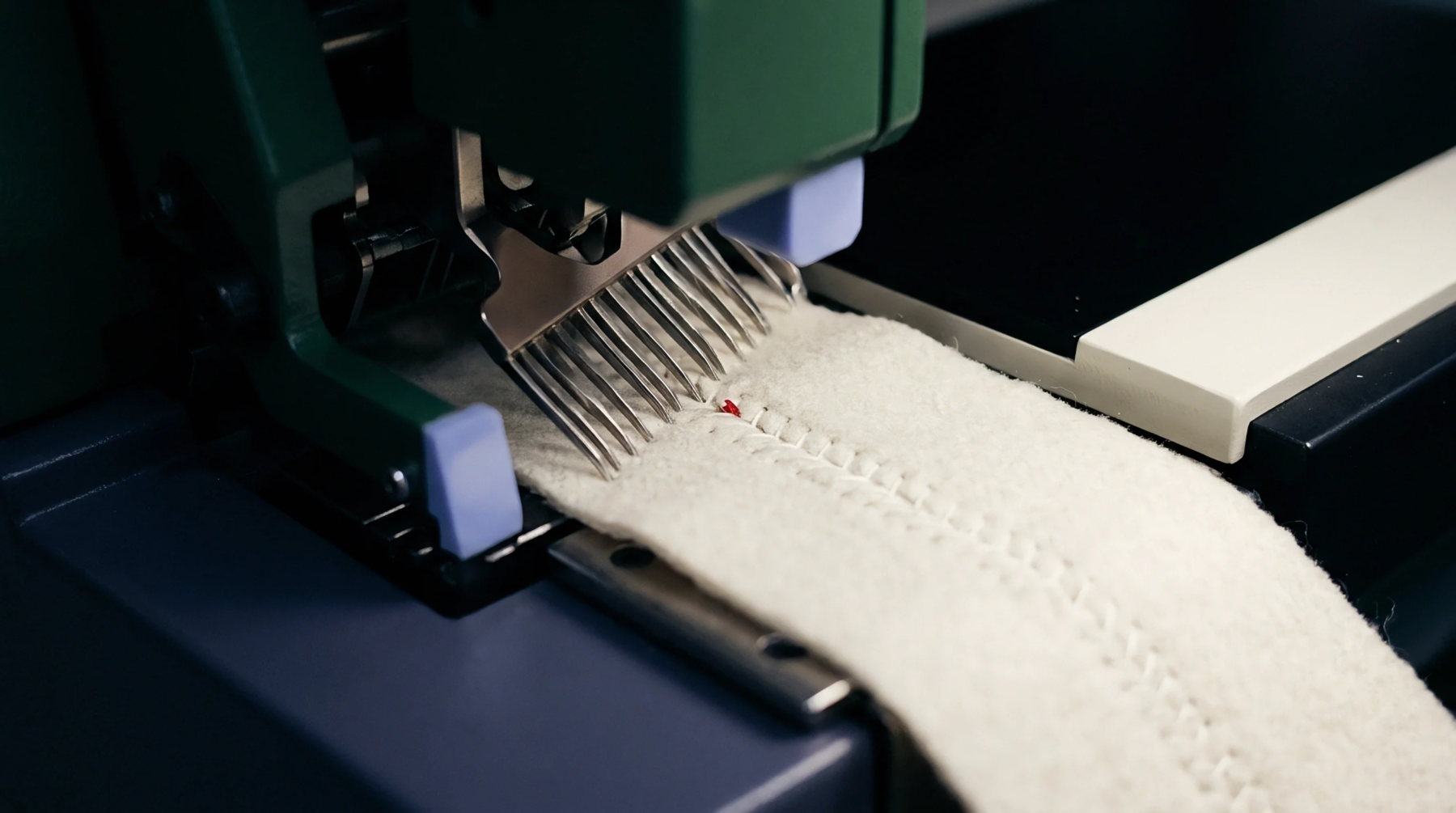
Mechanical testing equipment provides precise quantification of fibre wave frequency and depth to verify the structural integrity of synthetic filaments during extrusion. An automated crimp tester performs this function by isolating individual strands and measuring the deviation from a straight line path under a constant gram force. Quality control laboratories rely upon this data to ensure the subsequent bulk processing stages receive consistent materials.
Measurements determine whether the chemical cooling phase of production requires adjustment to prevent future failures in high speed loom operations. The boundary for this metric lies at the point of fibre elongation where the force applied exceeds the yield strength of the polymer chain.
Measured Characteristics
Processing parameters shift throughout the day as environmental humidity and ambient temperature fluctuate inside the spinning facility. The automated crimp tester monitors these shifts by capturing the resistance provided by the texture of the yarn as it cycles through the sampling mechanism. Engineers use the resulting frequency histograms to predict how the raw material reacts when exposed to tension during the warp preparation stage.
Dense crimp patterns correlate with higher recovery rates in knitted apparel because the increased surface area creates friction that prevents sliding within the structure. Low crimp values indicate a potential for fabric sag in finished garments made from polyester or nylon staples. Accuracy depends upon the calibration of the sensor arm against a reference weight before each shift commences.
Testing Mechanism
Digital arrays track the movement of the sample as the machine cycles through the length of the fibre segment. A motorized clamp pulls the material until a specific tension threshold is reached to determine the peak-to-peak distance of the waves. Internal software calculates the average amplitude by averaging hundreds of individual points along the strand to minimize the noise caused by minor surface debris.
Mechanical failure of the load cell results in erroneous data that misrepresents the quality of the batch. Regular cleaning of the contact surfaces prevents synthetic finish buildup from altering the frictional drag on the fibre during the pull.
Industry Application
Buyers request these test reports to validate that the mill maintains consistent physical properties across different production lots for large orders. Fabric manufacturers use the recorded values to adjust the settings on circular knitting machines to accommodate variations in filament elasticity without creating needle marks or holes. A deviation from the internal specification sheet forces a re-evaluation of the entire lot before the goods leave the factory floor for export.
Consistent measurement at the source reduces the incidence of downstream defects that damage the final product appearance during the finishing and dyeing processes. High precision monitoring allows for tighter control over the yield of yarn packages and reduces the waste generated by inconsistent fibre geometry. Strict adherence to the baseline prevents production delays that emerge when incompatible yarn batches arrive at the factory.
An automated crimp tester provides the final assurance that a material meets the required structural parameters for consistent fabric formation.