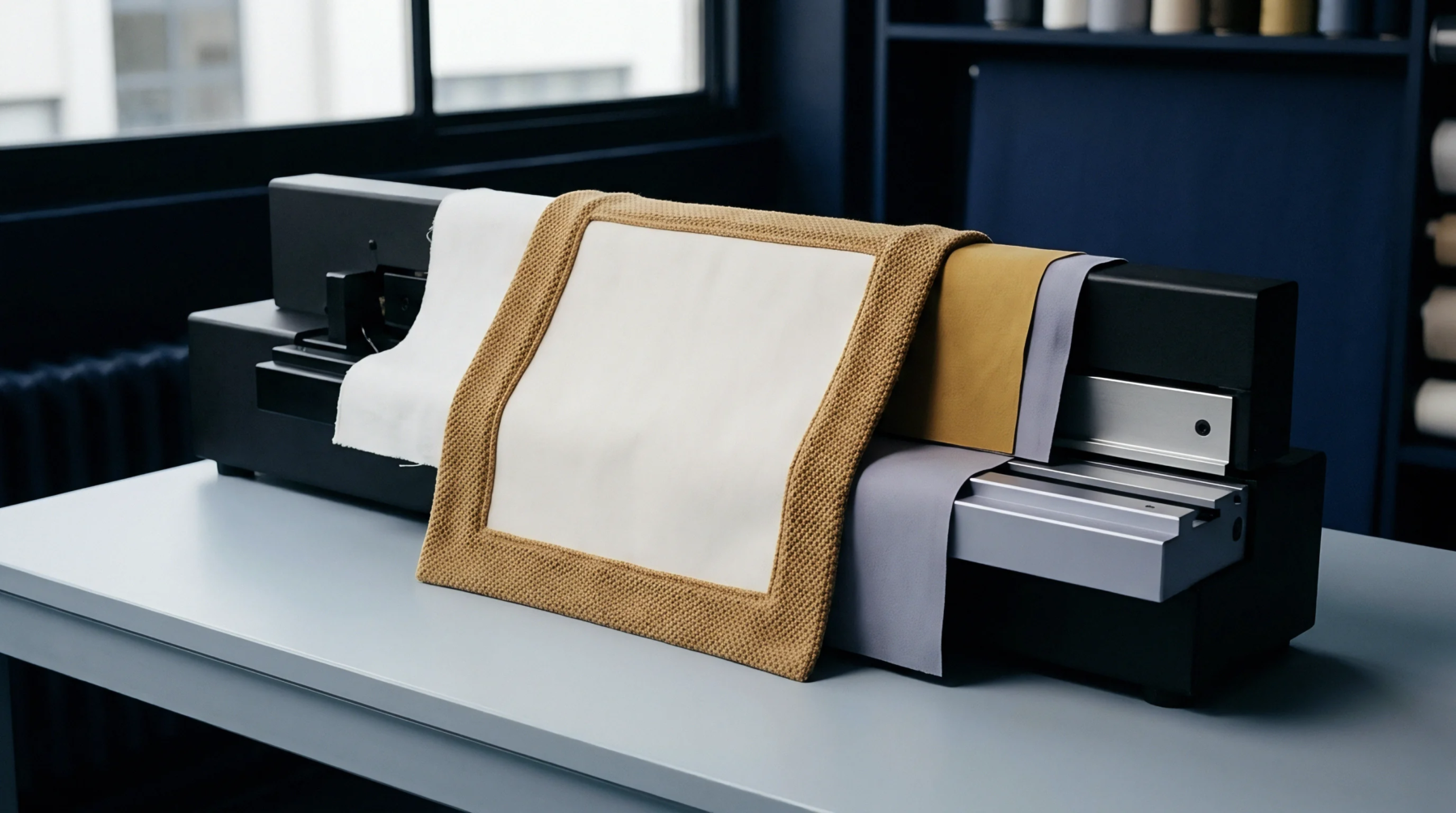
Color Deviation
The degree of color deviation between separate production runs of the same dyed textile represents a primary quality control threshold for garment manufacturing. Fabric dyeings of the same nominal color often exhibit batch to batch shade variance due to shifts in dye concentration, temperature, or water chemistry. This measurement is quantified during final inspection using spectrophotometers.
Process Variable
Differences in raw fibre absorption properties contribute directly to color shifts during processing. When different consignments of cotton or synthetic yarn are loaded into the dye house, their polymer crystallinity or micronaire values can alter the rate of dye uptake. These variables demand continuous adjustments to the recipe to maintain consistency across different weeks of production.
Evaluation Protocol
Visual analysis remains a common method alongside digital colorimetry for detecting these color differences. Technicians mount fabric swatches from consecutive dye lots side by side under standardized light sources like D65 to compare the differences. Digital tolerances are typically set below a Delta E threshold of one point to prevent visible mismatching in finished products, as color variations become highly obvious when panels are stitched together into a single garment.
Commercial Risk
Rejection of entire dye lots is a common outcome when the discrepancy exceeds the agreed limit. This situation triggers delays in cutting schedules and assembly lines, costing mills both time and material. Garment brands will refuse shipments that fail to meet these visual standards.