Chromatic Assessment
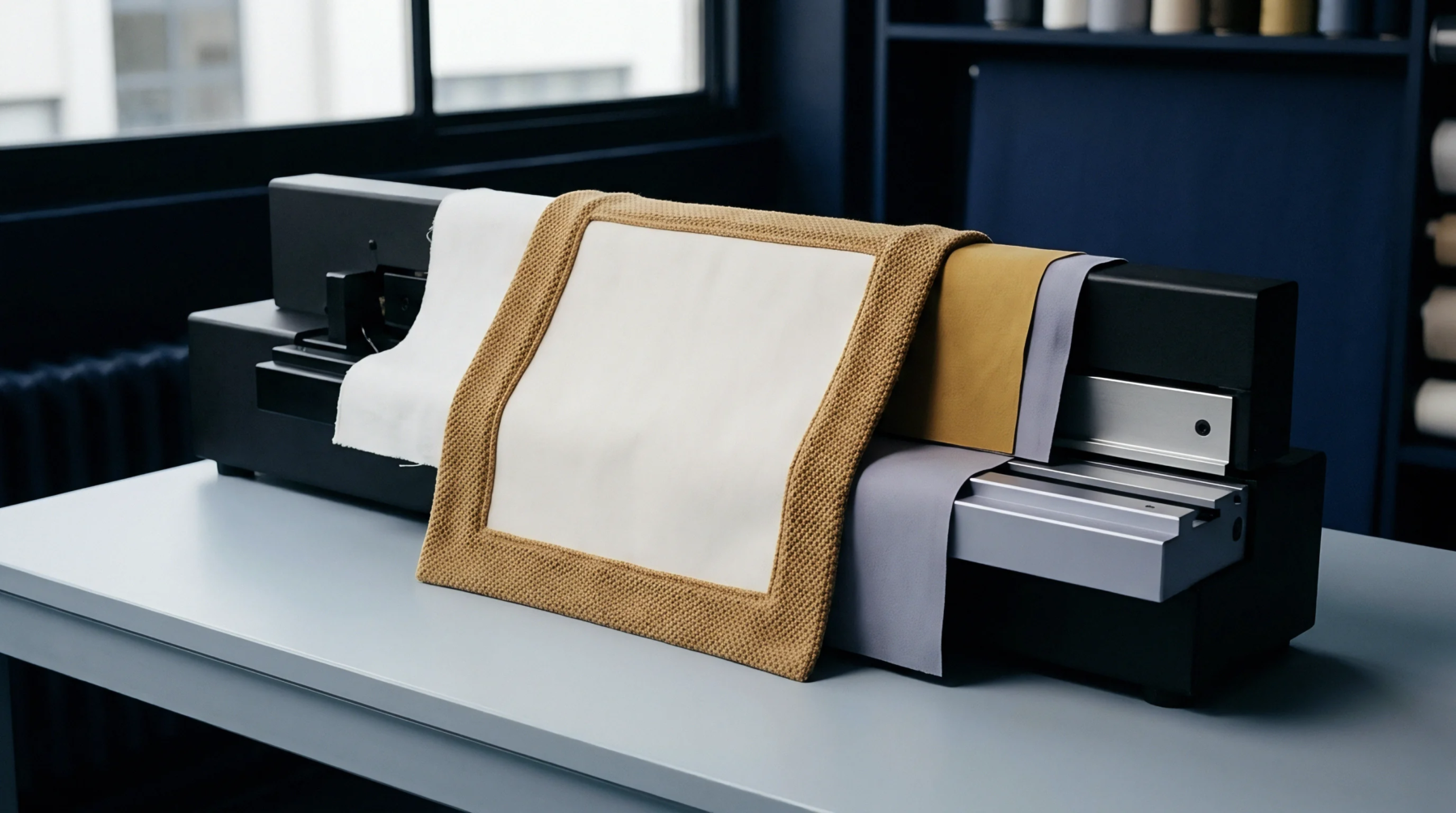
Standardized illumination booths provide the controlled environment required for consistent color evaluation across textile supply chains. This visual light box grading utilizes calibrated light sources to simulate specific spectral conditions, such as D65 daylight or store lighting, allowing inspectors to isolate how a fabric sample appears under varied contexts. Uniform geometry within the cabinet ensures that light hits the specimen at the designated angle to prevent stray glare from interfering with the observation.
Technicians compare material swatches against a master reference or a calibrated scale to determine the degree of acceptable variation.
Spectral Consistency
Precise color matching hinges on the elimination of metamerism where two objects appear to match under one light source but diverge under another. Observers place samples on a neutral grey background to minimize color adaptation from surrounding surfaces. Every cabinet maintains a specified spectral power distribution according to international standards for textile testing.
Environmental Requirements
Proper maintenance of these light boxes necessitates the periodic replacement of lamps to ensure the light intensity remains within established limits. Dust accumulation on the inner cabinet walls shifts the color balance, so technicians clean the interior surfaces during each routine inspection. Records of lamp hours inform the replacement schedule to maintain the integrity of the results.
Operational Protocol
Strict adherence to viewing procedures limits the subjective influence of human perception during color quality control. Examiners stand at a fixed distance from the specimen to maintain a consistent field of view. Standardizing the viewing angle at forty-five degrees minimizes specular reflectance from the fabric surface.
These protocols ensure the reliability of the color grade across global production sites.