Density Measurement
Density measurement systems provide a standardized way to determine gravity relative to water. The baumé hydrometer scale expresses these values in degrees, utilizing a floatation device to gauge the concentration of chemical baths. Multiple formulas exist to account for fluids either lighter or heavier than water.
Calculation Method
Graduated markings on the glass stem allow an inspector to read the level where the liquid surface meets the submerged glass. Because the baumé hydrometer scale relies on the physical displacement of fluid, the weight of the hydrometer must exactly match the weight of the displaced liquid at the point of measurement. Calibration occurs at a fixed temperature, usually 15.6 degrees celsius, to ensure the buoyancy remains consistent across different test environments.
Industrial Application
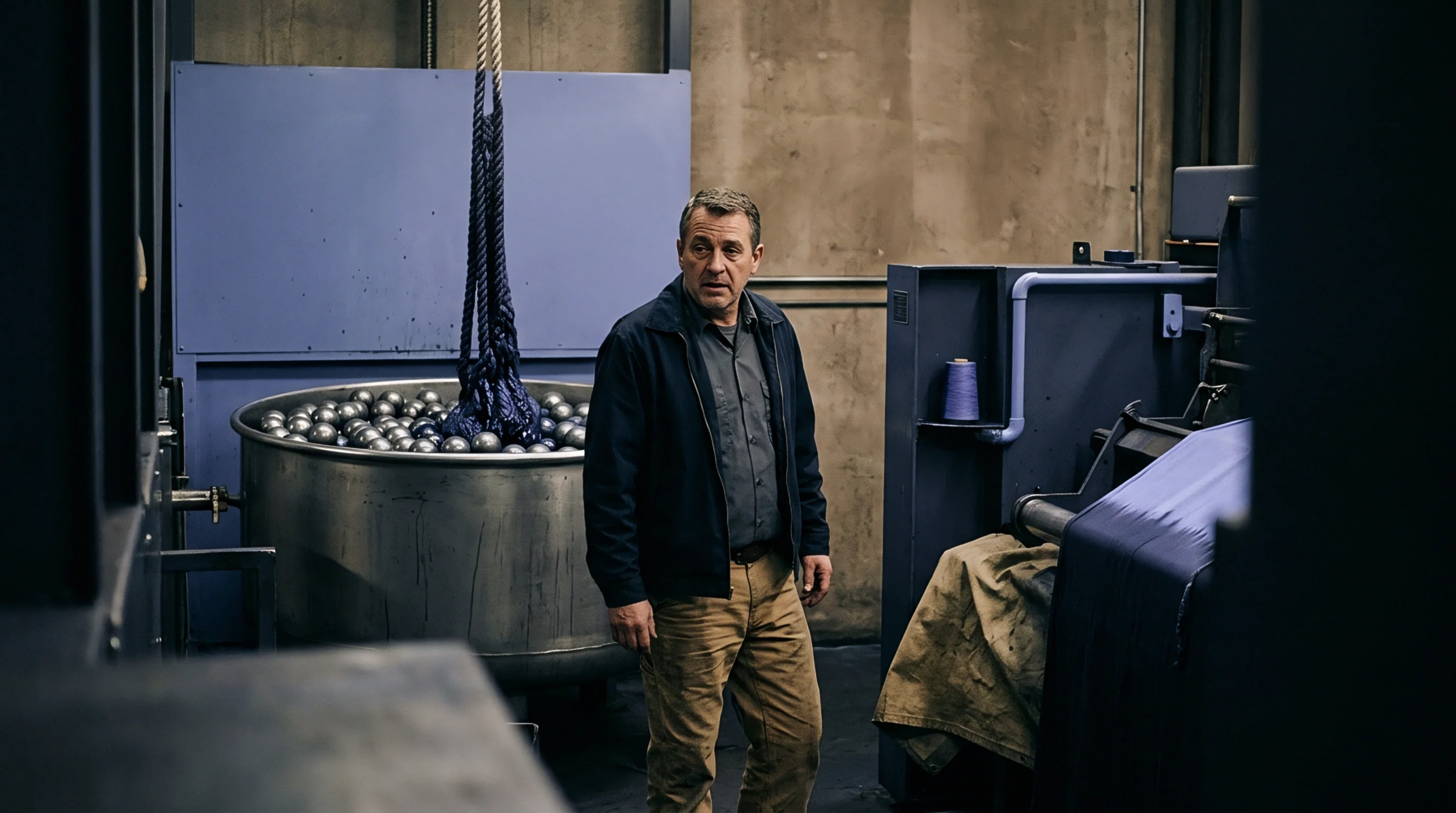
Dye houses use these readings to verify the strength of caustic soda or bleaching agents before they enter the padding mangle. Accurate application of the baumé hydrometer scale prevents the over-concentration of alkaline solutions which might otherwise degrade cotton fibers. Operators compare the observed degrees against a target batch recipe to decide if the liquor requires dilution or strengthening.
Technical Limit
Viscosity interferes with the free movement of the glass bulb. If the liquid is too thick, the baumé hydrometer scale becomes unreliable as the instrument fails to settle at its true equilibrium. Particles clinging to the stem also add weight and create false readings.