Fractional Analysis
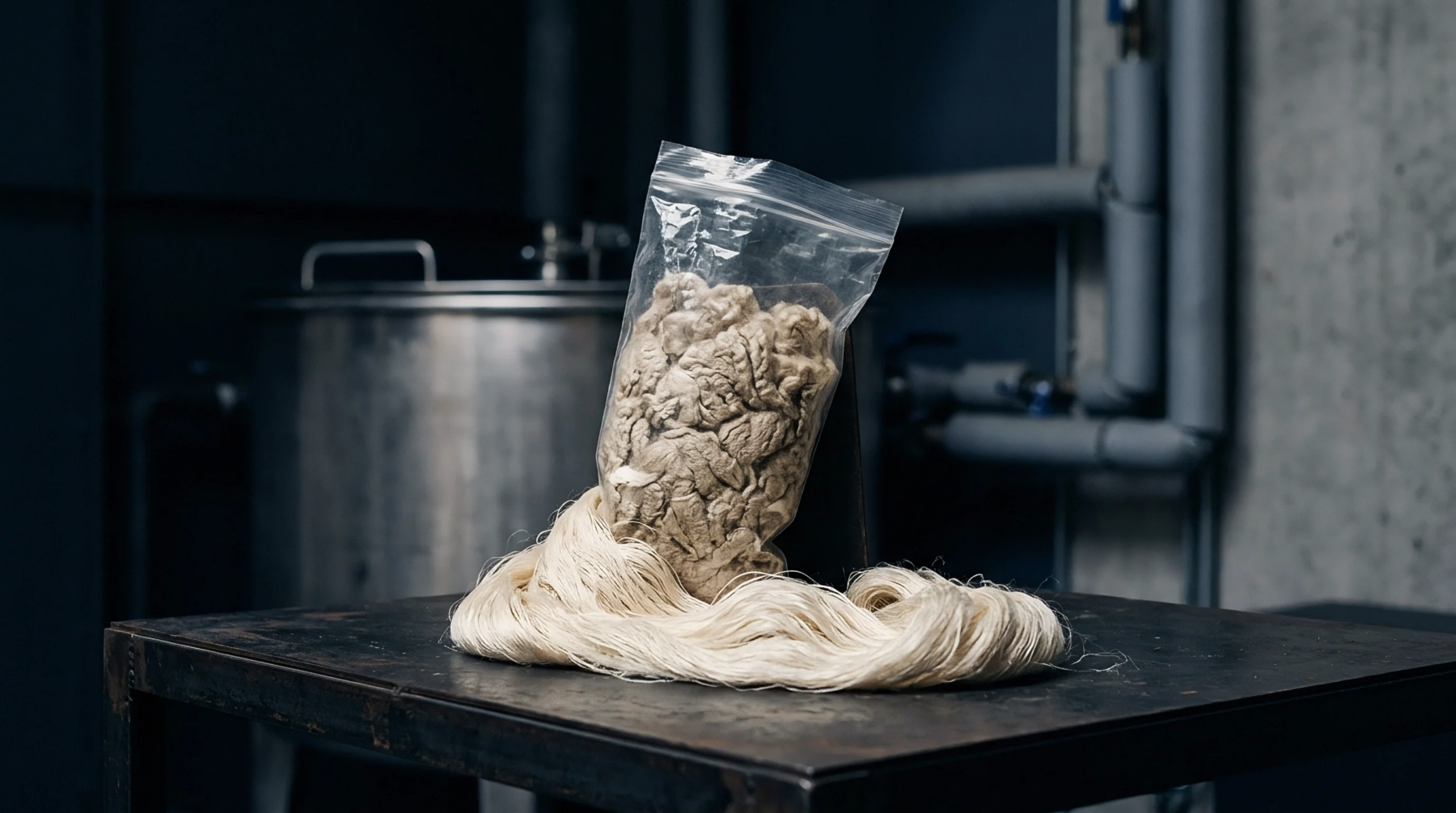
Analytical methodology for quantifying component mass ratios within multi-material textile substrates determines the individual proportions of constituent polymers or natural fibres present in a single yarn count. Binary blend separation performs an extraction or chemical dissolution of one fibre species from a complex matrix to weigh the residual mass against initial dry weight standards. Accuracy depends upon the selection of reagents capable of degrading specific molecular structures while leaving the target fibre base entirely intact.
Laboratory technicians deploy solvents like formic acid or sodium hypochlorite to isolate polyester from cotton or nylon from wool based on known solubility parameters. Proper execution requires drying specimens to a constant weight under controlled humidity before and after the chemical exposure sequence. Consistent temperature regulation prevents thermal degradation of the secondary fibre that could result in erroneous mass calculations during subsequent gravimetric measurements.
Operators must verify that all chemical residues are purged from the remaining fibre structure before final mass recording occurs to avoid synthetic weight inflation.
Extraction Velocity
Solvent interaction speed dictates the duration of testing cycles required to achieve full constituent isolation within commercial textile laboratories. High reactivity chemicals reduce timeframes but introduce risks regarding the physical integrity of the retained fibre component. Longer immersion durations ensure total dissolution but increase the probability of chemical damage to the material being saved for analysis.
Laboratory managers balance these constraints by monitoring the specific reaction kinetics of the fibre couple under investigation. Efficient testing protocols rely on precise agitation rates that promote solute transport away from the fibre surface. Faster reactions permit higher throughput in high volume quality control environments where mill production cycles necessitate rapid feedback loops for fibre content verification.
Thermal Sensitivity
Molecular stability thresholds define the operating parameters for procedures involving elevated temperatures to accelerate fibre dissolution rates. Excessive heat leads to the premature breakdown of the secondary material which causes inaccurate mass readings for the non-dissolved portion of the blend. Precise heating mantles or water baths allow for controlled energy input that keeps the solvent active without breaching the degradation point of the target substrate.
Calibration of these heating devices occurs through frequent reference to standard fibre melting points or glass transition temperatures. Any deviation from prescribed heat profiles introduces systemic bias that compromises the integrity of the total mass calculation. Reliable analysis demands rigid adherence to manufacturer guidelines regarding maximum allowable temperature limits for specific polymer types.
Residue Accuracy
Gravimetric precision provides the final validation for textile composition reports generated during fibre blend inspection. Measuring equipment must maintain sensitivity down to the milligram range to detect small deviations from specified blend percentages. Final data capture involves recording the weight of the recovered component and applying standard correction factors for natural moisture regain.
Discrepancies between calculated composition and label declarations trigger further investigation into the physical consistency of the incoming raw material supplies. Small errors in the initial sample preparation propagate through every subsequent measurement step and render the entire analysis void. Proper analytical technique ensures the reported value represents the genuine fibre ratio present in the bulk stock.