Fibre Preparation
Preparation of raw cotton bales in a mill line involves the deliberate spatial arrangement and volumetric sequence of specific supply lots to maintain consistent yarn quality across subsequent production stages. This blowroom sorting ensures that natural variations in staple length or micronaire between different supplier batches do not result in uneven density or drafting errors within the carding machines. By positioning heavy-mass and light-mass fibre groups in a controlled rotation, the facility stabilizes the atmospheric moisture uptake and friction coefficients that dictate machine performance.
Correct load sequences prevent sudden blockages in air transport ducts or grid bar accumulation during the cleaning phase. Operational failure to align these inputs leads to uneven nep formation and premature wearing of cylinder wires.
Machine Sequence
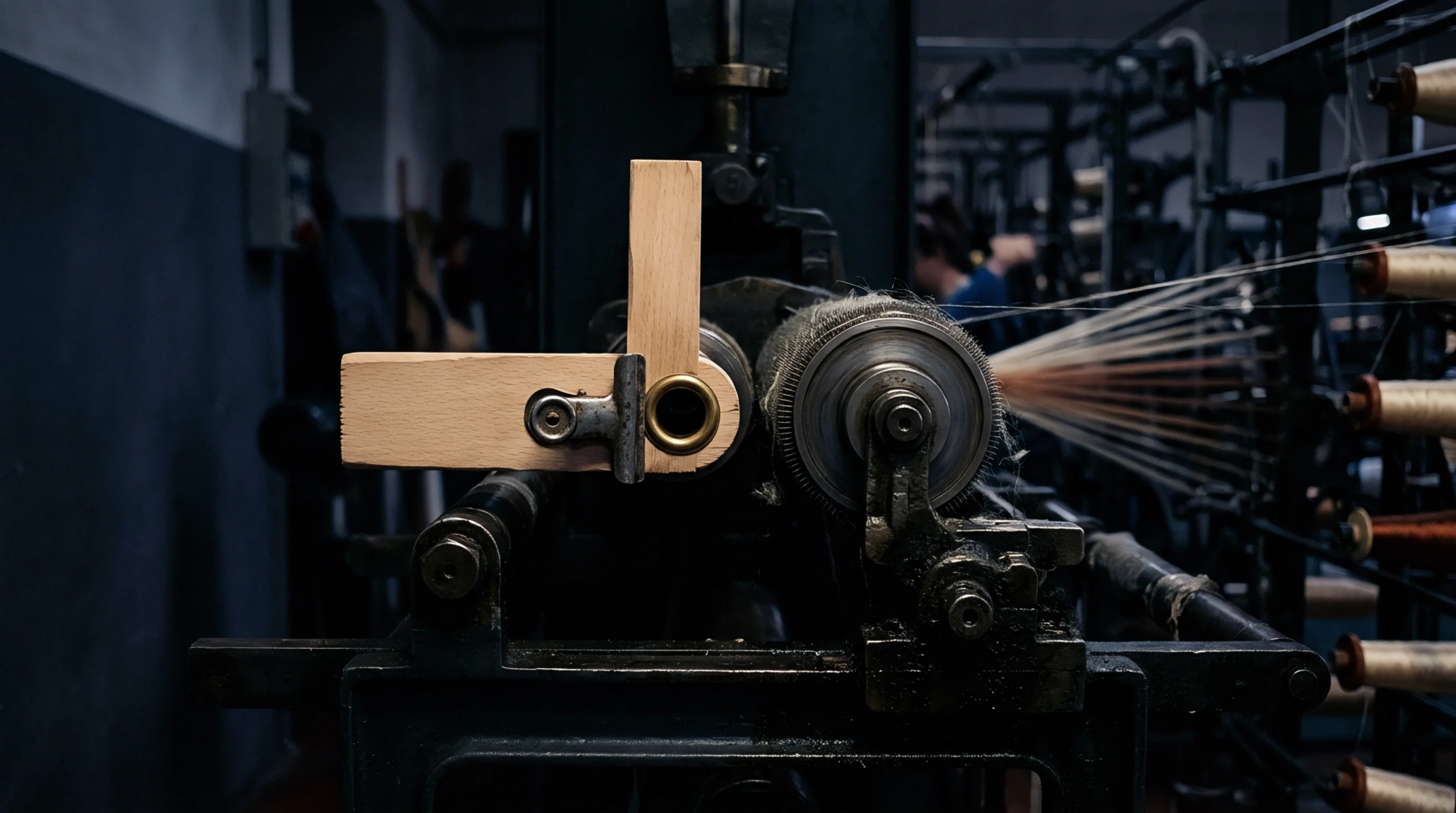
Mechanical systems utilize horizontal and vertical bale pluckers to extract tufts from the selected order of bales based on the programmed material flow. Each layer of cotton undergoes intensive pneumatic separation where dust and heavy trash particles fall through perforated screens into collecting chambers. The fan velocity balances against the mass density of the tuft to suspend organic material while shedding inorganic debris.
Sensors along the ductwork monitor the material throughput to adjust the feed rate if the density exceeds the established mass per cubic meter limit. Automatic bypass valves activate when the detected trash levels cross the threshold defined by the mill standard. These adjustments protect the downstream equipment from excessive loading during peak processing hours.
Batch Variance
Variability within natural fibre sources requires constant oversight to prevent defects from manifesting in the sliver quality during high-speed spinning. Mill managers analyze the chemical and physical profiles of incoming lots before they reach the opening section to determine the exact proportioning ratio. Higher trash content necessitates slower intake speeds to allow the beating cycles sufficient time for removal without damaging individual staples.
The distance between the feed roller and the beater strike point varies inversely with the fibre length to minimize the risk of filament breakage. Incorrect calibration here forces the maintenance crew to adjust the carding settings to compensate for poor preparation earlier in the line. Strict adherence to the pre-sorted sequence reduces the coefficient of variation in the finished yarn count by a factor measurable at the auto-leveling stage.
Quality Threshold
Periodic checks involve weighing the residual waste collected at each trap point to evaluate the efficacy of the entire opening sequence. Technical supervisors verify the consistency of the final lap weight or chute feed mass by comparing samples against the historical average for that specific fibre grade. Variations exceeding five percent trigger a manual audit of the bale arrangement and air pressure settings.
Accurate feed control maintains the structural integrity of the yarn because stable fibre orientation begins in the opening zone. Correctly calibrated systems produce a uniform distribution of fibre strength throughout the resulting bale mix.