Preliminary Extension
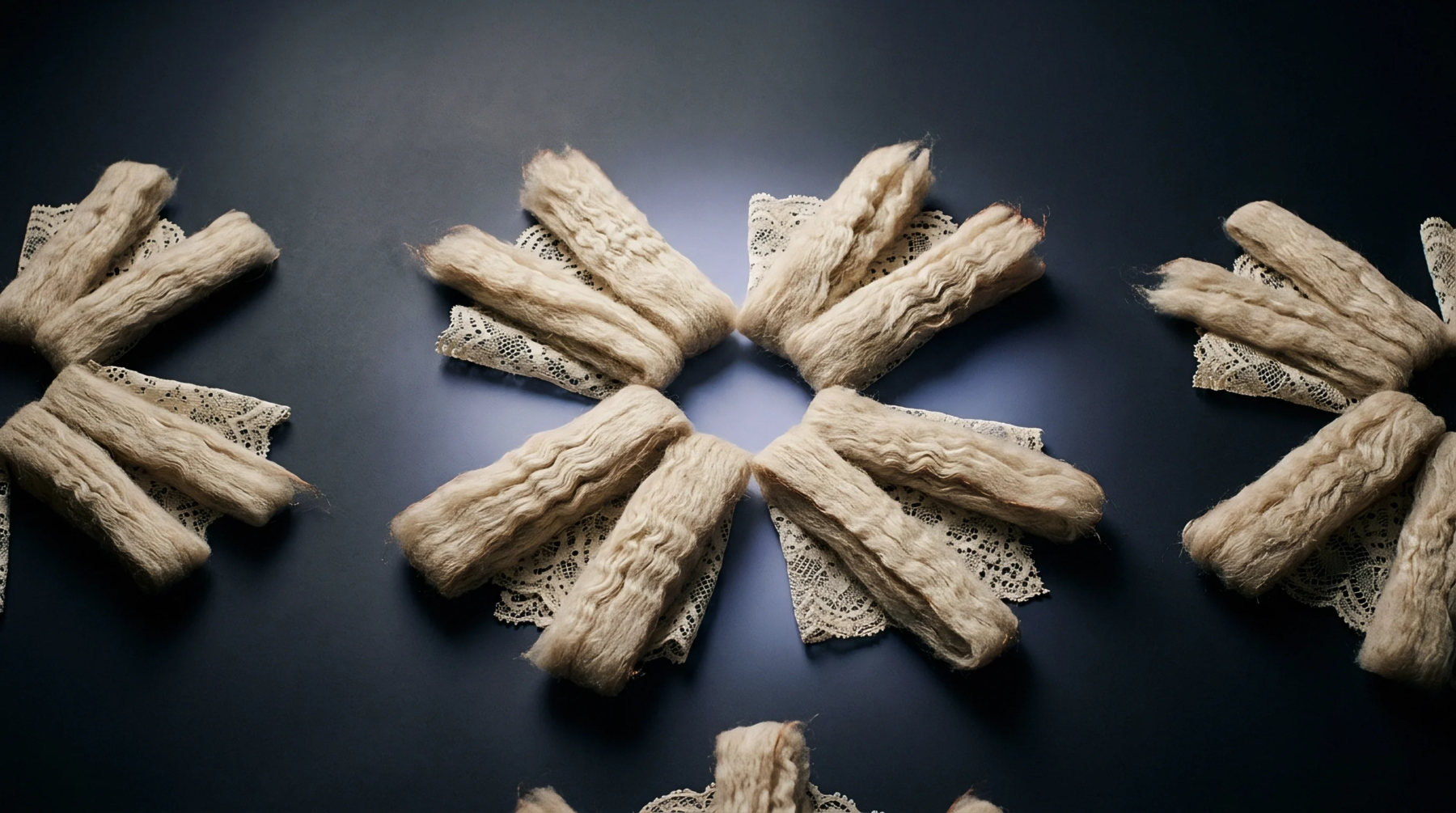
Drafting zones located between the back and middle rollers of a spinning frame apply a specific tension to the fiber bundle. A break draft typically ranges from 1.1 to 2.0 depending on the material and the spinning machine configuration. It overcomes the initial friction and cohesive forces holding the fibers together in the roving.
Fiber Alignment
Small amounts of extension straighten the crimped fibers and improve their parallel arrangement. Low break draft values often result in poor fiber control and increased yarn irregularity. Higher values might cause premature fiber breakage if the roving twist is too high or the fiber length is excessive.
Draft Distribution
The distribution of the total draft between the break and main zones affects the overall efficiency of the spinning process. Most of the mass reduction occurs in the front zone while the break draft handles the opening of the compact fiber structure. Adjusting the ratio between these zones allows the mill to process different fiber types on the same equipment without requiring a complete mechanical overhaul for every new order.
Operational Impact
Verification involves calculating the surface speed ratio of the back and middle rollers. Correct break draft settings reduce the presence of drafting waves and thick places in the final yarn. This setting is a primary checkpoint during the setup of spinning frames for new cotton or synthetic blends.