Production Limit
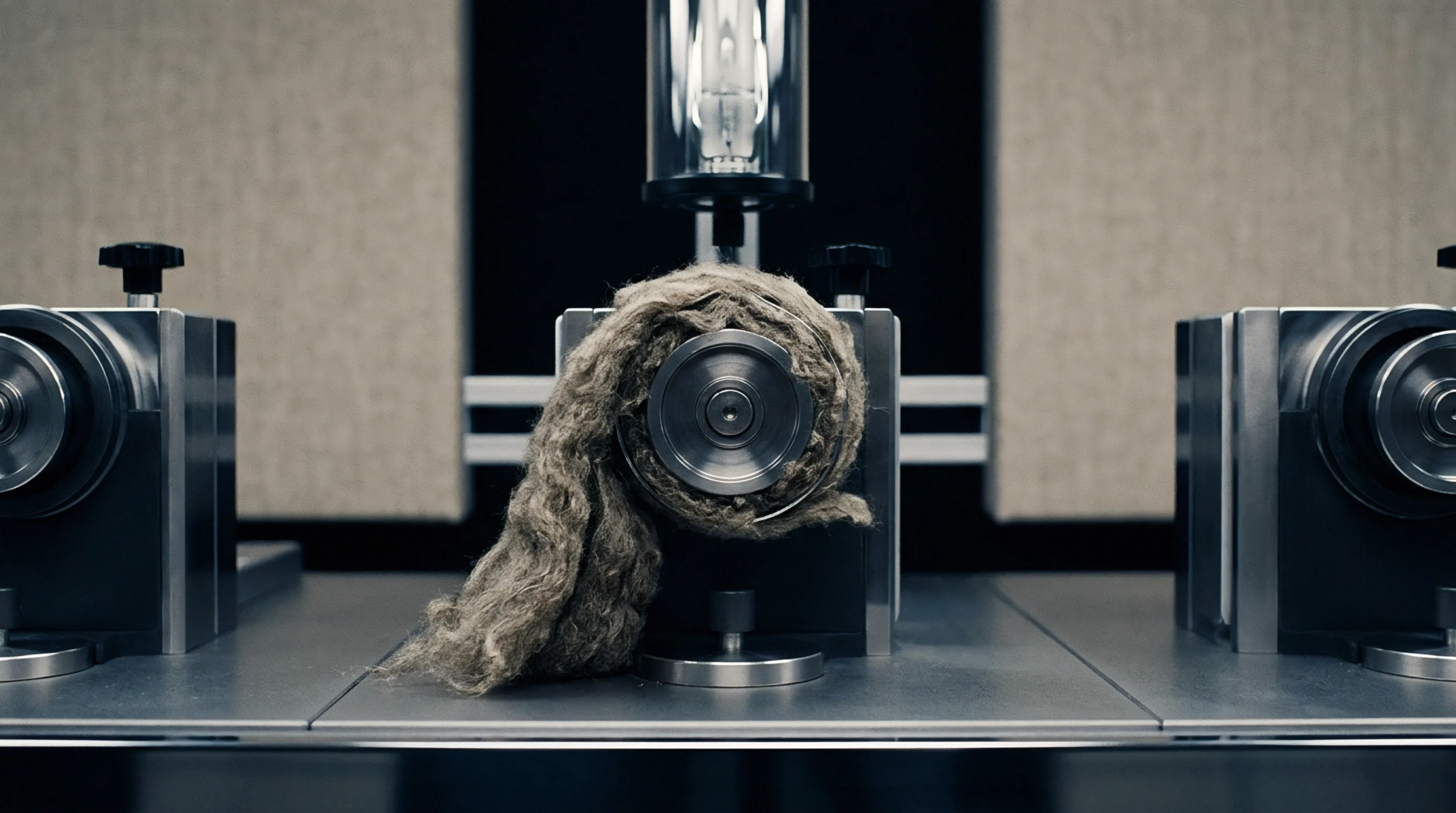
Acceptable variance in the ratio of different fiber types ensures that the final fabric meets the required performance and aesthetic specifications. Maintaining a strict carded sliver blend tolerance prevents the occurrence of streaks or uneven dyeing in the finished garment. The limit defines how much the actual fiber composition can deviate from the target recipe during the opening and carding stages.
Sampling Method
Laboratory technicians extract small sections of the sliver at regular intervals to analyze the fiber content. In a polyester and cotton mix, carded sliver blend tolerance is verified by dissolving one component and weighing the remainder. Frequent testing catches mechanical errors in the hopper feeders.
Processing Risk
Exceeding the allowed variance leads to significant problems in downstream weaving and knitting. When the carded sliver blend tolerance is ignored, the yarn may have different shrinkage rates or moisture absorption properties. This imbalance results in fabric bowing or spirality that cannot be corrected during finishing.
Mill managers monitor the weight of each component entering the blend line to ensure the feeders are delivering the precise grams per meter required.
Mill Protocol
Verification happens at the carding machine before the fiber is drawn into a more uniform state. The tolerance provides the first checkpoint for fiber distribution.