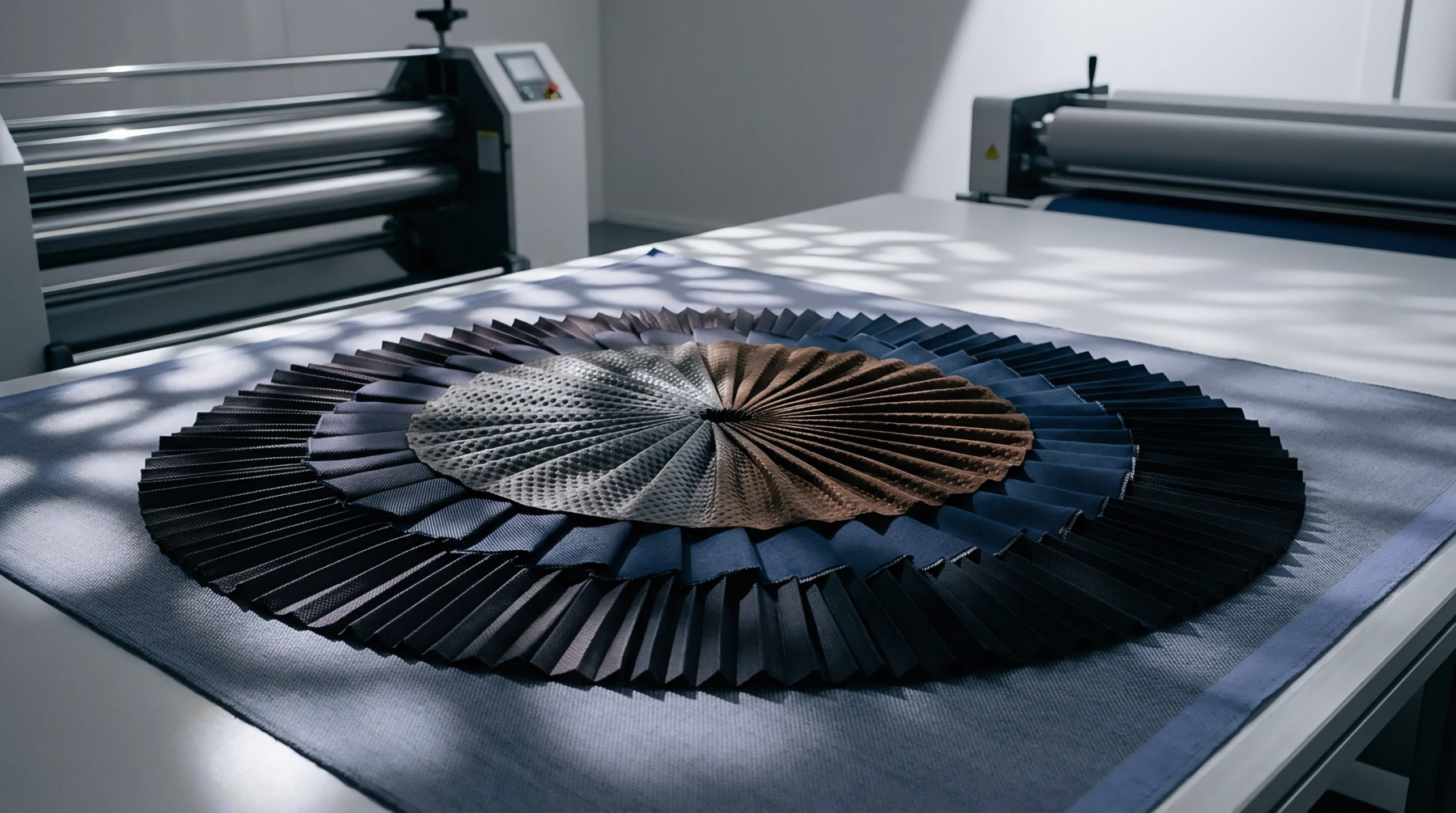
Fibre Sorting
Raw material preparation begins in the opening room where carding waste segregation separates short staple remnants from clean lint before the material enters the mechanical extraction line. Textile mills execute this physical sorting protocol during preparatory processing to recover usable cotton or synthetic fibres from manufacturing sweepings. Contaminants such as heavy trash, neps and short fibre fractions undergo immediate isolation to prevent downstream rotor blockages or yarn unevenness.
Mill operators verify the efficiency of this sorting stage at the blowroom checkpoint before stock transfers to the carding cylinders.
Waste Quality
Material composition dictates the commercial value of recovered residues and determines whether the collected mass enters rotor spinning feeds or nonwoven manufacturing. Lower grade sweepings contain excessive leaf fragments and mineral oil residues, restricting final applications to industrial insulation or heavy felt goods. Higher grade fractions retain staple integrity suitable for blending with virgin material without degrading tensile strength.
Commercial contracts specify allowable contamination percentages, and laboratory testing of sampled lots confirms whether the delivered fractions meet agreed cleanliness thresholds.
Process Control
Mechanical action inside the carding machine generates distinct fractions of heavy waste, flat strips and lickerin droppings that require continuous management. Production supervisors monitor cylinder speeds and setting gauges because incorrect mechanical parameters force usable staple length into the lower collection chambers. Automated extraction systems isolate specific fractions continuously, preventing the intermixing of heavy motes with lighter web waste.
Operators adjust grid bars inside the machinery to optimize the ratio of discarded trash to salvaged material, balancing raw material costs against yarn quality requirements.
Economic Recovery
Financial returns depend directly on how effectively a production facility diverts reclaimable material back into spinning lines instead of discarding entire batches as refuse. Purchasing departments calculate raw material yield by weighing recovered fractions against total fibre input fed into the opening machines. High processing efficiency reduces raw material waste and lowers the overall cost per kilogram of finished yarn produced at the facility.
Mills achieve higher operating margins when mechanical sorting parameters prevent good staple loss during high-speed carding operations.